Micro-decluttering has become the rare cleaning trend that resonates with people who are already exhausted, not just those who love a label maker. Instead of demanding a full weekend and a carload of trash bags, it breaks the job into tiny, repeatable moves that fit into the margins of daily life and still add up to a visibly calmer home.
By shrinking the task to a few minutes and a very small area, this method sidesteps the paralysis that often comes with clutter. I will walk through how it works, why experts say it eases stress, and how to turn it into a realistic routine that finally keeps mess under control.
What Micro-Decluttering Actually Means
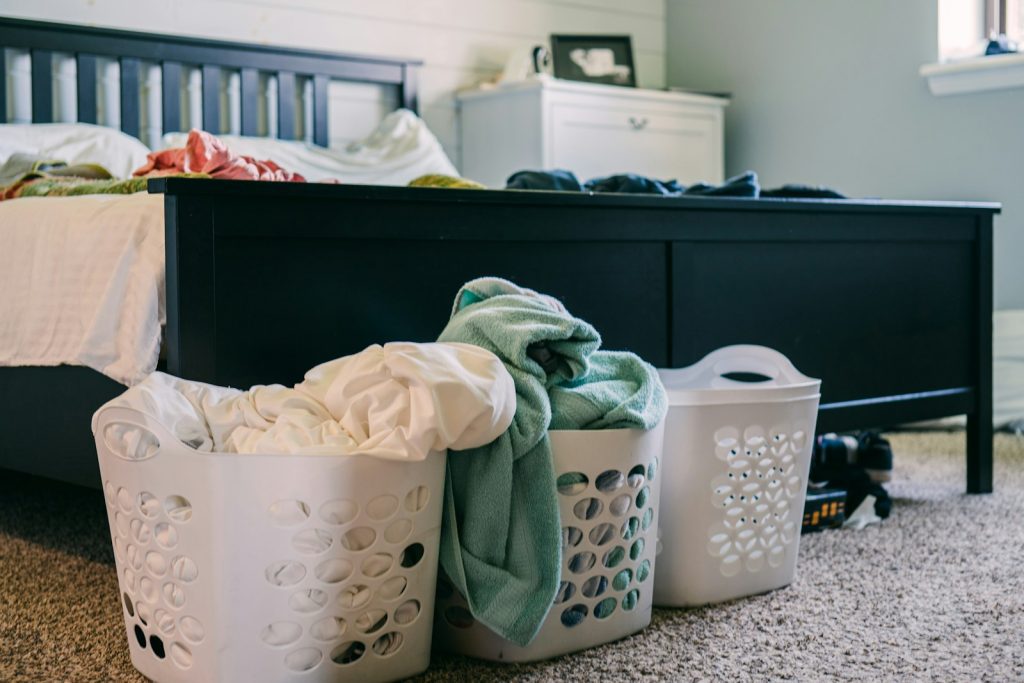
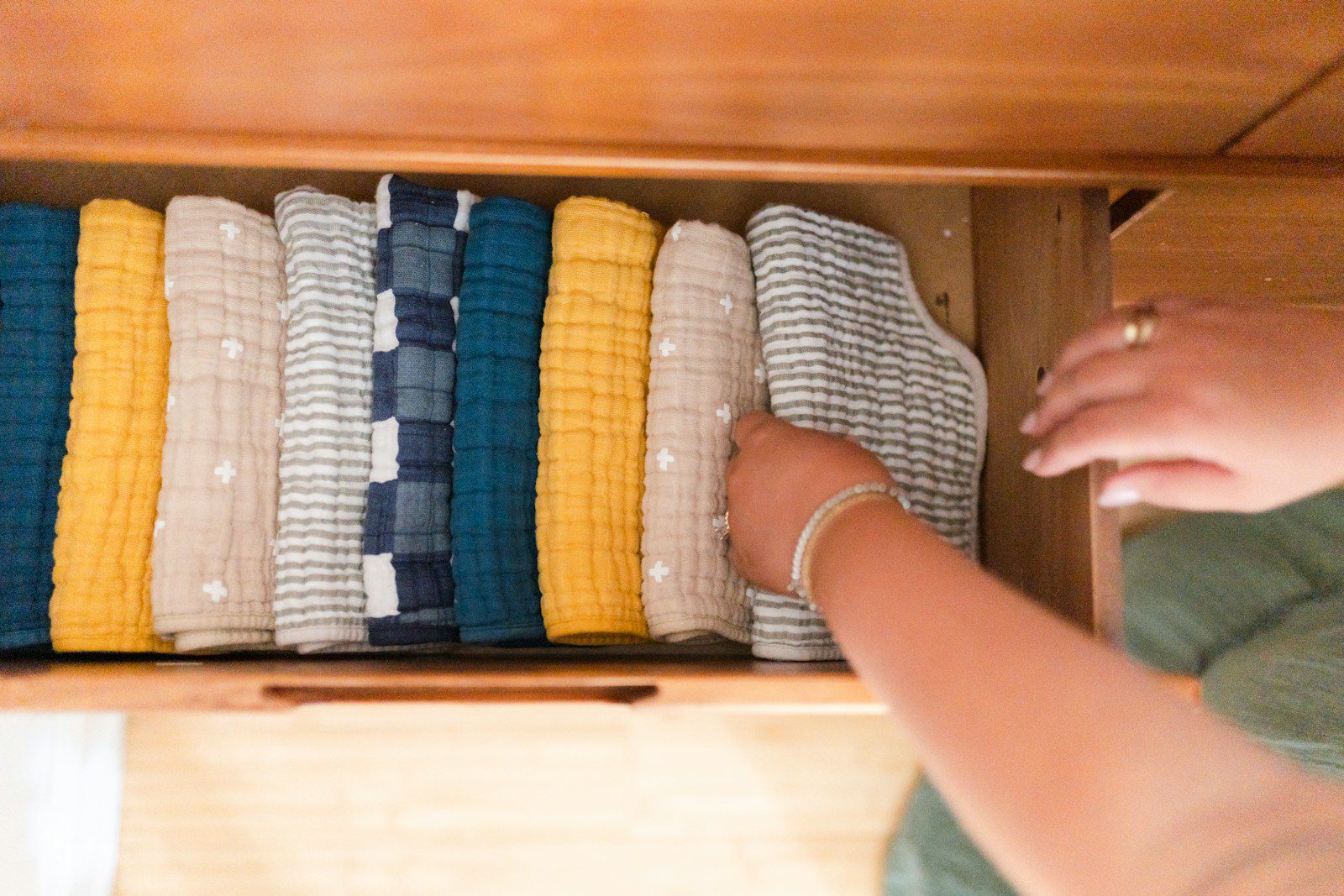
At its core, micro-decluttering is the practice of tackling very small pockets of clutter for a short, defined burst of time, usually around 10 to 15 minutes. Instead of “clean the kitchen,” the target becomes one drawer, one shelf, or even a single category like receipts or takeout menus. Reporting on What explains that this approach has been trending on cleaning blogs because it lets people “really spiff up” a space without committing to a full overhaul, which is exactly what makes it feel doable on a weeknight.
Several guides describe micro-decluttering as a mindset shift as much as a technique, one that treats clutter as a series of tiny decisions rather than a single massive project. A detailed breakdown of Benefits of Micro notes that when you break decluttering into small steps, the process is less overwhelming and easier to sustain. Instead of waiting for a mythical free weekend, you use the time you already have, which is why this method has spread from organizing blogs into mainstream home advice.
Why Big Cleanouts Fail When You Are Already Overwhelmed
Traditional decluttering advice often assumes you can clear your schedule, pull everything out of a room, and make hundreds of decisions in one go. For anyone juggling work, caregiving, or health issues, that expectation is unrealistic and can actually deepen the sense of failure when the project stalls halfway through. One analysis of Decluttering points out that when you have accumulated a lot of stuff over the years, the sheer volume makes a full reset feel impossible, which is why people avoid starting at all.
Experts who study habit formation argue that the brain resists tasks that feel too large or vague, especially when you are already stressed. The Power of Micro Habits framework, laid out in Power of Micro, explains that “Small Steps” to “Declutter and Organise Your Home” work better because they sidestep the mental barrier that comes with a major cleanup. When the job is “clear this one shelf” instead of “fix the whole house,” your brain is more willing to cooperate, which is exactly the psychological gap micro-decluttering is designed to exploit.
The Psychology Behind Tiny Cleaning Habits
Micro-decluttering borrows heavily from behavioral science, which shows that small, consistent actions compound into significant change. The same research that underpins micro habits in fitness and finance applies to your home: when you repeat a tiny behavior in the same context, it becomes automatic. The Power of Micro Habits framework on Small Steps stresses that the long term benefits come from consistency, not intensity, and that is exactly what micro-decluttering tries to harness.
There is also a motivational payoff that comes from seeing quick wins. Deanna Ritchie, who has written extensively about Deanna Ritchie, notes that when you can visibly improve how a space looks and feels in a short session, you are more likely to repeat the behavior. That feedback loop is crucial: each small success proves to your brain that change is possible, which reduces the dread you feel the next time you face a messy drawer or overstuffed shelf.
From Micro-Clutter to Macro-Clutter: Why Small Messes Matter
One reason micro-decluttering has gained traction is that it directly targets what some organizers call “micro-clutter,” the small, miscellaneous items that collect on every flat surface. Reporting on Organizing explains that these stray receipts, cables, and sample-size products eventually create “macro-clutter” if they are not handled early. In other words, the junk drawer is not just an eyesore, it is a pipeline feeding larger piles in closets, garages, and spare rooms.
Micro-decluttering flips that pipeline by cutting off the flow at its source. Instead of waiting until a room is unusable, you focus on tiny, high traffic zones like a nightstand, entry table, or bathroom shelf. A first person account of the method on How describes how clearing a single surface each day helped the writer feel more productive and less weighed down by the slow creep of stuff in day to day life. By treating those micro-clutter hotspots as daily maintenance rather than occasional emergencies, you prevent them from snowballing into full room disasters.
How Micro-Decluttering Works In Real Time
In practice, micro-decluttering is built around short, focused sessions that fit into existing routines. Many guides suggest setting a 10 to 15 minute timer and choosing one very specific target, such as the top of a dresser or one kitchen cabinet. A detailed set of Key Points on the method recommends making a simple plan, keeping categories tight, and working in these small blocks so you can micro-declutter like a pro without burning out.
Some experts frame this as a form of “micro-organizing,” where you use idle moments to chip away at clutter. Coverage of how People approach this notes that they often take advantage of “dwell time,” like waiting for water to boil or for a video call to start, to knock out tiny tasks. Instead of scrolling on your phone, you might sort one stack of mail or clear one bathroom drawer, which keeps the bar low while still moving your home in the right direction.
Turning Micro-Decluttering Into A Daily Habit
The real power of this method shows up when it becomes a routine rather than a one off experiment. Several experts describe micro-decluttering as a “Daily Habit, not a Herculean Task,” a phrase that appears in the Table of Contents for a guide on using it to prepare for moving. The idea is to attach a tiny decluttering action to something you already do, like brushing your teeth or making coffee, so it becomes as automatic as rinsing a mug.
One practical way to structure this is to borrow from the 1% cleaning philosophy, which argues that tiny, consistent efforts beat occasional marathons. The description of The Foundation of that “Cleaning Rule Method” explains that the 1% approach is based on doing a small amount of cleaning each day rather than marathon sessions. Micro-decluttering applies the same logic to stuff: you might commit to clearing just one category or one surface daily, trusting that those small moves will accumulate into a home that rarely tips into chaos.
Micro-Resets, Micro-Organizing And Other Cousin Strategies
Micro-decluttering does not exist in isolation, it sits alongside a cluster of related strategies that all lean on small, repeatable actions. Cleaning professionals who advocate the “micro-reset” approach describe it as the key to reclaiming control and feeling on top of your home. One guide to this method explains that A micro-reset is a short burst of tidying that helps you refresh and reset a space, often at natural transition points like after dinner or before bed.
Micro-organizing follows a similar pattern but focuses more on how items are stored than on what leaves the house. Reporting on how micro-organizing works notes that People who use it often focus on their best and most essential items, making sure those are easy to access in small, labeled zones. Micro-decluttering can plug into both ideas: you might declutter one drawer, then micro-organize what remains, and finally do a micro-reset at the end of the day to keep that drawer from filling back up.
Why Experts Say It Actually Reduces Stress
Clutter is not just a visual issue, it has a measurable impact on how people feel in their homes. Organizing specialists interviewed about How micro decluttering can improve your life describe how clutter can feel “all-consuming,” leaving you convinced you will never find the time to tackle it, especially when you are surrounded by things you have not used in years. By shrinking the task to something you can finish in minutes, micro-decluttering interrupts that spiral and gives you a concrete win, which can ease anxiety.
There is also a strong emotional component to seeing progress in visible areas. A guide that frames micro-decluttering as your secret to stress free moving notes that Micro decluttering is all about focusing on small, visible areas first, precisely because those spots deliver the biggest psychological payoff. When your entry table or kitchen counter looks clear, your brain registers the space as more under control, even if there is still work to do in hidden corners, and that perception alone can lower your stress level.
How To Start Micro-Decluttering Tonight
For anyone tempted to try this method, the most important step is to start smaller than you think you should. Experts who describe micro-decluttering as the practice of tidying tiny areas for a few minutes at a time suggest beginning with a single drawer or a small surface you see every day. One overview notes that Micro-decluttering is the practice of tackling these little zones in short bursts, often just a few minutes before heading to bed, which keeps the bar low enough that you are likely to follow through.
From there, you can layer in structure and accountability. A detailed how to on Try micro-decluttering suggests using a timer and focusing on one designated area at a time so you can really spiff up a space without getting sidetracked. Another guide on Mary, a weekly contributing writer for House Digest and an expert interviewed by Martha Stewart Living and Real Simple, highlights how even a few minutes before bed can keep clutter from building. When you combine that structure with the micro habit principles from Declutter and Organise, you end up with a routine that is small enough to start tonight and strong enough to stick.
Supporting sources: Try ‘Micro-Decluttering’ When, Power of Micro, Micro-organizing is key, Tampa Moms Share:, Why I’ve been, Micro-Decluttering Method Could, tried ‘Micro-decluttering’ –, Micro-Decluttering: Your Secret, Micro-Decluttering: A Big, Micro-Decluttering: A Big, Micro-Decluttering Method Will, Micro-Decluttering Method Will, ‘Micro-Decluttering’ Trend Is, ‘Micro-Decluttering’ Trend Is, How micro decluttering, Micro-Decluttering Method Will, ‘Micro-Decluttering’ Trend Is, tried ‘Micro-decluttering’ –, How micro decluttering, Why I’ve been, Micro-Decluttering Method Could, Micro-organizing is key, Tampa Moms Share:, Micro-Decluttering: Your Secret, Power of Micro, Try ‘Micro-Decluttering’ When, Micro-Decluttering: A Big, Micro-Decluttering: A Big.
More from Decluttering Mom: