


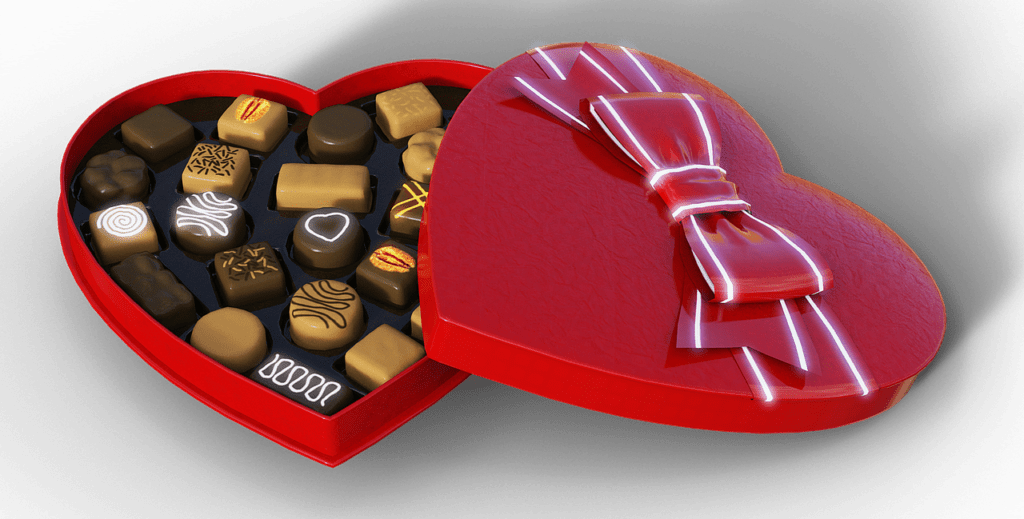
They’ve all stood over a heart-shaped box wondering which piece hides caramel, cherry, or crunch. You can often tell what’s inside by the swirl, squiggle, or shape on top—many chocolatiers use consistent “codes” (and some even include maps) so a loop, dot, or ridge usually points to a specific filling.
This guide shows how to decode those visual cues and why different makers use distinct marks, so you can pick the piece you actually want instead of guessing. Learn the simple visual clues, what textures and shapes usually mean, and how to spot signs of nuts, caramels, or creams before you bite.

Cracking the Visual Code: What Chocolate Designs Really Mean
Designs on chocolates act like quick labels: they point to texture, common fillings, and whether a piece is milk, dark, or white chocolate. Shiny swirls, rough bumps, or a square shape often tell whether the bonbon holds caramel, nut, or a firm ganache.
The Secret Language of Swirls, Squiggles, and Patterns
Artisan chocolatiers often mark pieces with simple marks that repeat across a box of chocolates. A single looped swirl commonly indicates a caramel center in many brands, while tight zigzags frequently signal a flavored cream or mocha ganache. On a heart-shaped box, look for repeated marks—those match identical fillings across assorted chocolates.
Piped chocolate patterns are practical: machines and hand-piping both make quick, consistent marks. When a clerk sells individual bonbons, the mark helps them identify a milk chocolate praline versus a dark chocolate truffle without cutting it open.
Common Symbols and Their Fillings
Certain visual cues appear often in assorted chocolates. Examples:
- Swirl with two loops → caramel or buttercream in many brands.
- Single dot or button → nut or fruit paste.
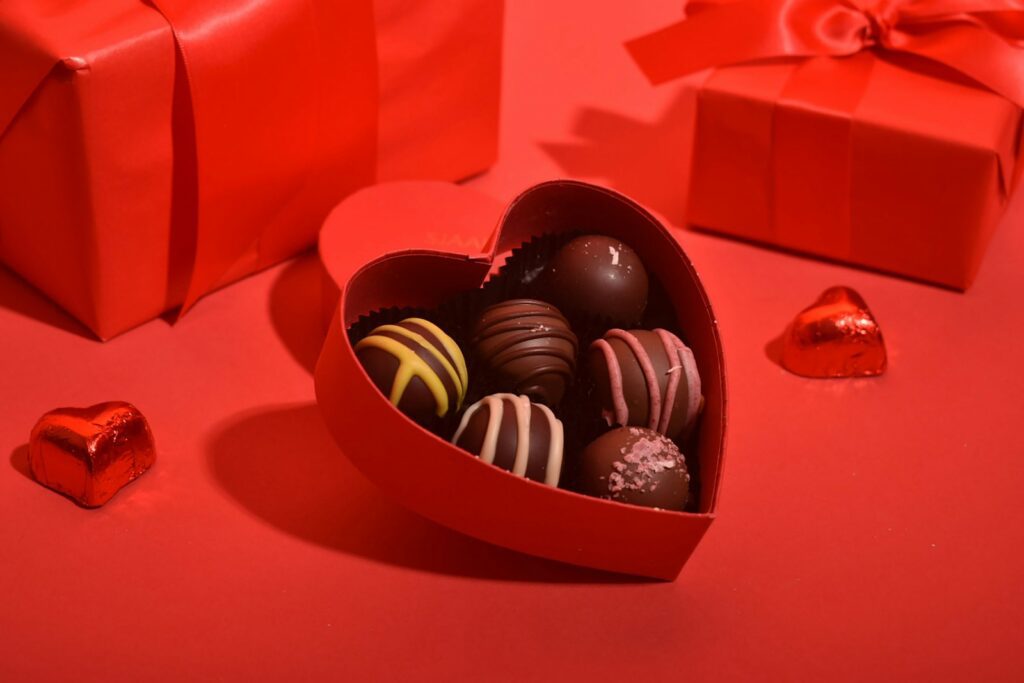
- Smooth dome with a drizzle → ganache or truffle (often dark or milk).
- Square or rectangle → solid caramel or nougat.
These aren’t universal, so buyers should check the brand’s key when available. Some manufacturers include a printed map in the box; others post guides online for their chocolate collections. If a heart-shaped box lacks a map, use shape and pattern clues plus taste-testing to confirm favorites.
Shape, Texture, and What They Reveal
Shape and texture give strong hints about filling type. Round, smooth truffles usually hide soft ganache; they often appear as dark chocolate or milk chocolate domes. Square or rectangular pieces often mean a firm, cut center like solid caramel or brittle nougat.
Texture atop the coating also matters. Large bumps usually signal nuts; fine, sandy bumps suggest coconut. Thin glossy shells point to molded bonbons with liquid or delicate centers, while matte, hand-piped tops suggest thicker creams or buttercreams—common in artisan chocolates and boxed assortments.
Why Each Chocolatier Has a Unique System
Each chocolatier adapts marks to fit production methods and product lines. Large manufacturers may standardize simple machine-applied squiggles for speed and consistency, while small shops use bespoke piping patterns to brand their truffles and bonbons.
That unique system helps staff and customers identify pieces in a mixed box of chocolates and protects recipes. Many high-end makers publish their mapping or include it with the box so buyers of assorted chocolates or a heart-shaped box can avoid nuts, find white chocolate pieces, or pick out their favorite milk chocolate cream. For real-time decoding, check the maker’s website or the inner lid of the box.
The Deeper Meaning Behind Valentine’s Chocolates
Chocolate boxes pair history, design signals, and chemistry to turn a small gift into a layered message. Packaging, flavor choice, and even certain ingredients shape what the giver intends and what the recipient reads into the present.
Tradition and the Birth of the Heart-Shaped Box
The heart-shaped chocolate box traces directly to Victorian marketing. Richard Cadbury popularized decorative boxes in the 1860s, transforming chocolates from luxury confection to a packaged symbol of romance. His early heart-shaped tins made chocolates collectible and visually tied them to Valentine’s Day, cementing the box itself as part of the message.
Presentation matters: satin, lace, and red foil cue passion or high effort, while simple kraft boxes suggest homemade warmth or modest budgets. For collectors, branded or vintage tins add nostalgia; for modern buyers, limited-edition packaging signals exclusivity. These visual cues guide how a recipient interprets intent before tasting a single piece.
How Flavors and Fillings Convey Hidden Messages
Flavor choice functions like a short, edible sentence. Dark chocolate often says sophistication and seriousness; milk chocolate communicates warmth and comfort; white chocolate suggests sweetness and lightness. Fillings add nuance: cherry or strawberry centers hint at romance and sensuality, while ganache or sea-salt caramels communicate refinement and an appreciation for gourmet chocolate.
Many gift-givers select specific fillings to personalize messages: nutty pralines can imply reliability or shared family traditions; spiced or chili-infused pieces suggest playful flirtation. Artisanal boxes let the giver customize a palette of meanings, while store assortments map common impressions so recipients can decode intent from taste.
Chocolate and Romance: Science and Symbolism
Chocolate carries both cultural symbolism and mild biochemical effects. Historically linked to luxury, chocolate became a Valentine’s staple through marketing and social changes that equated it with courtship. Today, luxury chocolates and specialty truffles still signal investment and thoughtfulness in a relationship.
On the biochemical side, chocolate contains compounds like phenylethylamine (PEA) and small amounts of stimulants that can elevate mood briefly. PEA has a reputation for mimicking feelings of attraction, though its real effect from eating chocolate is modest. Still, the combination of sensory pleasure, ritual gifting, and those trace compounds reinforces chocolate’s role as a tangible token of affection.
More from Decluttering Mom: