

You probably keep a jar or a drawer full of pennies and wonder what happens if the U.S. Mint stops making them. You’ll learn practical options for sorting, saving, spending, or repurposing those coins so they don’t just sit around.
This article walks you through choices from checking coins for collectible value to rolling or exchanging them, using them in crafts or charity, and finding ways to spend or convert them before they become harder to use. You’ll get simple, actionable ideas to decide what to do with your pennies now.

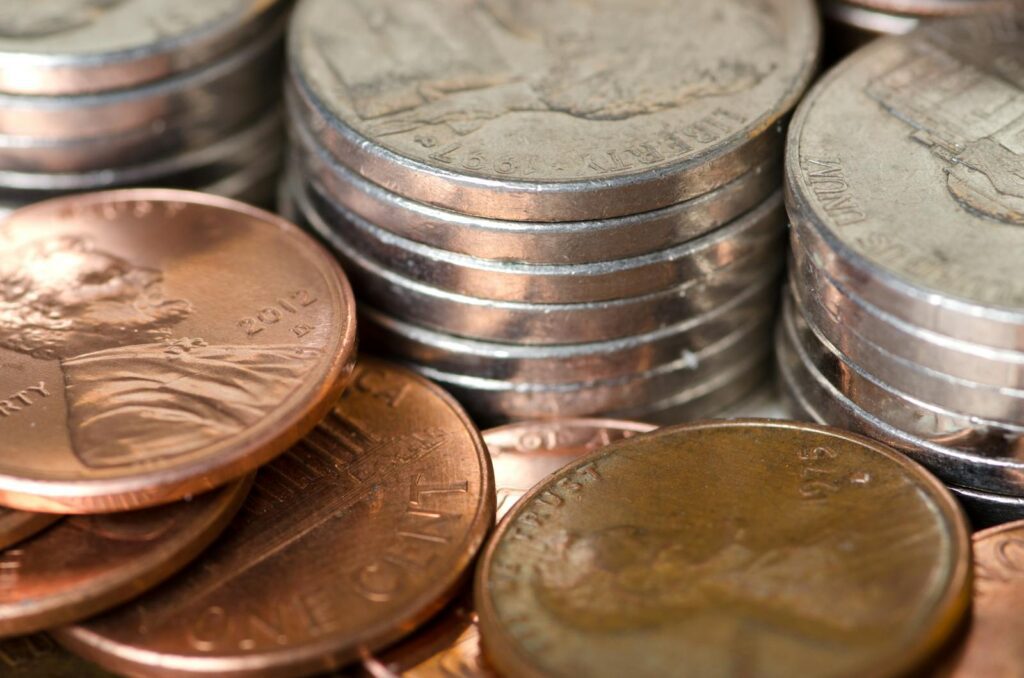
Sort pennies by year and mint mark for potential collectible value
Start by separating pennies by decade, then sort each pile by year. Look for key dates like early Lincoln cents and wartime years.
Check the mint mark (D, S, or none) under the date; mint marks can change a coin’s rarity. Use a loupe or phone macro to read worn dates.
Keep suspicious coins aside for further research or grading. For quick guidance, consult a 2025 penny value guide to spot likely contenders like wheat cents and known error years (https://uspennyvalue.com/).
Roll pennies to save or exchange at banks before coins become scarce
If you’ve got jars of pennies, roll them to make deposits or exchanges easier. Many banks accept rolled coins and some have coin-counting machines you can use for free or small fee.
Rolling helps if coins get scarce after minting ends because banks prefer sorted coins. Call your branch first to confirm their policy and avoid surprises.
Use pennies for DIY craft projects like mosaics or jewelry
You can turn leftover pennies into eye-catching mosaics for tabletops or frames. Small tiles create rich copper tones without costly materials.
Make stamped penny charms, earrings, or keychains with basic tools and jump rings. These pieces personalize gifts and use coins that might otherwise sit unused.
Look for step-by-step ideas and inspiration on penny craft collections like this roundup of DIY projects with pennies.
Donate pennies to charity drives that accept coin donations
You can gather loose change and drop it at local charities that accept coins. Many organizations welcome penny donations and even run penny drives to make giving easy.
Check with groups like local shelters, schools, or charities before you bring coins; some prefer rolled or counted donations. You can also use kiosks or programs that convert coins into donations at no extra cost, making your pennies matter without extra hassle (https://www.coinstar.com/charitypartners).
Trade pennies with coin collectors interested in rare dates
Look through your jar for pre-1982 or wheat-back pennies; collectors often seek those.
Check coin guides or the USA Today explanation of valuable pennies to spot key dates like 1943 copper varieties.
Offer coins on collector forums or visit a local coin shop where dealers will appraise and trade.
Be honest about condition and compare offers; rare coins can fetch more, but most pennies remain low-value.
Keep pennies as souvenirs or historical reminders
You can save a few pennies as tiny keepsakes that mark the end of an era.
Slip them into a jar, frame, or a small display box to show year-by-year changes.
Label coins with dates or notes so future viewers understand why they matter.
A handful of labeled cents makes a simple, tangible piece of contemporary history.
Use pennies as weights when pressing flowers or paper
You can use a few clean pennies to add steady, low-profile weight when pressing flowers between pages or under a board.
Place flowers on blotting paper or parchment, cover them, and set pennies evenly to avoid shifting; the coins conduct a little heat and sit flat for consistent pressure.
Wash coins first and check for reactions with delicate petals; store finished presses in acid-free envelopes to keep colors from fading.
Exchange pennies for electronic payments where possible
Turn jars of pennies into instant spending power by using apps or bank services that accept coin deposits and convert them to digital balances.
Many banks still take pennies; deposit them and move the funds to your checking or a payment app for easier use.
Coin-counting kiosks often charge fees, so check for free bank options first to keep more of your money.
Use pennies in coin-operated machines while still accepted
You can spend pennies at laundromats, parking meters, and vending machines that still accept them.
Check machines before you roll out coins; some kiosks and newer devices reject pennies.
Coin-counting kiosks like Coinstar may accept pennies for conversion, though fees can apply.
If you plan to use machines often, sort and roll pennies to speed transactions and avoid jams.
Create penny art or DIY games with kids
Turn spare pennies into simple crafts you can do together. Glue pennies onto coasters, picture frames, or a small tray for a shiny, tactile project.
Make counting games or sorting challenges to teach math and fine motor skills. Try a penny toss or matching game using painted cardboard spots for low-cost, screen-free fun.
If you need project ideas, check this list of 15 fun DIY projects you can create with pennies.
More from Decluttering Mom: