


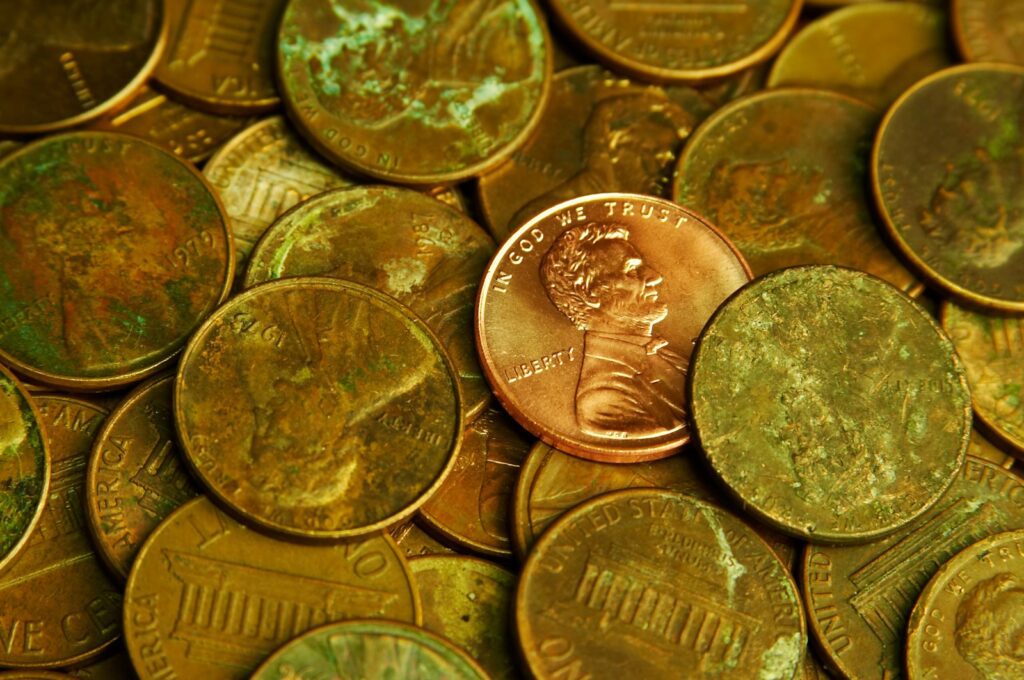
You probably keep a jar or drawer full of pennies and suddenly wonder what they mean now that production has stopped. You can protect, sell, or repurpose those coins depending on their condition and potential value.
This article walks you through checking for rare finds, getting appraisals, selling safely, preserving favorites, and turning pennies into keepsakes or teaching tools so you can decide what to do next.

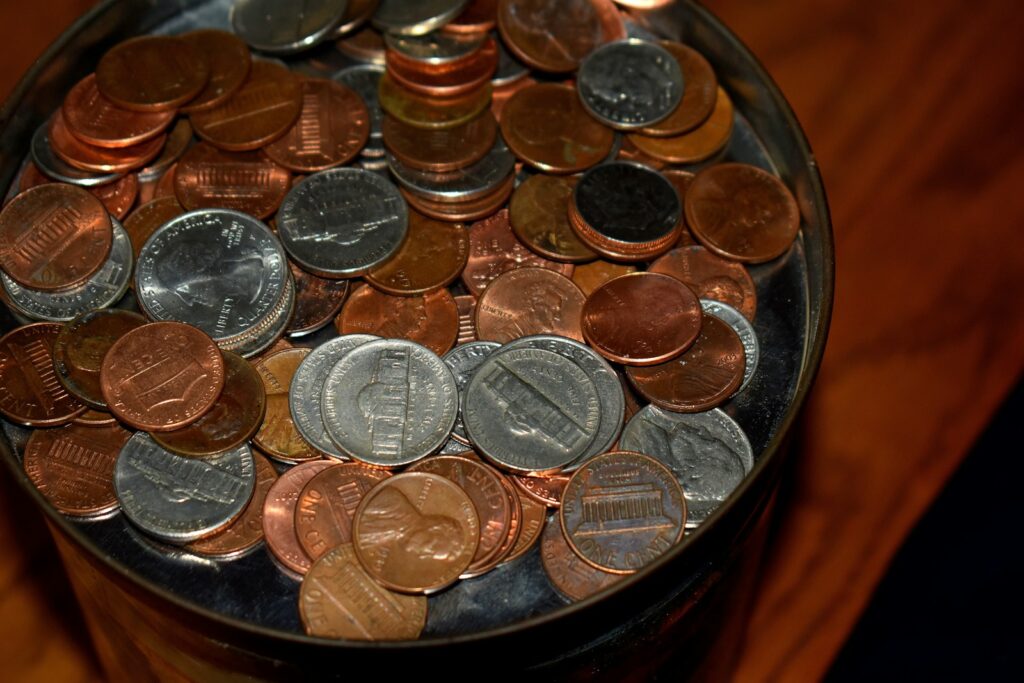
Hold onto your pennies—they’ll still be accepted as currency for years
You can keep spending pennies because existing coins remain legal tender and retain their face value.
Banks and retailers may keep them in circulation for a long time, so your coins won’t become useless overnight.
Collectors’ interest might rise for certain dates or errors, but most pennies remain worth one cent.
If you prefer cash-free convenience, consider exchanging rolls at a bank or converting them into electronic funds.
Check your collection for rare pennies like the 1943 copper penny.
Go through your rolls and loose change slowly; rare errors can hide in plain sight. Look for 1943 pennies that have a copper color instead of the usual steel finish.
Compare the font and details to known 1943 steel cents to spot mismatched dies or altered dates. If you find a suspicious piece, get a professional opinion before cleaning or selling.
Learn identification tips and current market context at a detailed guide on the 1943 copper penny.
Consider selling valuable pennies on eBay or coin collector forums
If you have high-grade or rare pieces, list them where collectors look. eBay reaches many buyers but watch fees and pack carefully; see tips for selling on eBay (https://coinweek.com/five-tips-for-selling-coins-on-ebay/).
Forums let you connect with serious collectors and get feedback before you sell. Take clear photos, describe condition honestly, and compare completed sales to set a fair price.
Take your pennies to a local coin shop for appraisal.
Bring your pennies to a reputable local coin shop so a professional can inspect them in person.
They’ll check for rare dates, mint errors, and metal content that can affect value.
Keep coins in their original rolls or holders and avoid cleaning them.
Cleaning can reduce value and makes accurate grading harder.
Ask for a written appraisal and current market value.
Compare offers from two shops if you plan to sell.
Create custom art or crafts using your pennies for fun projects.
You can turn pennies into coasters, wall art, or a tabletop by arranging and sealing them with resin for a durable finish. Try simple jewelry or stamped keychains if you want quick, giftable pieces.
Mix patinated and shiny coins for contrast, or sort by year to make a timeline collage. Find step-by-step project ideas and inspiration for penny crafts at DIY compilations like this collection of 40 DIYs made from pennies, dollar bills, money.
Gift unique pennies to friends or family as keepsakes
Pick pennies with special dates—birth years, anniversaries, or places you visited—and tuck them into cards or small boxes.
You can mount a coin in a tiny frame or glue it to a keychain for a practical keepsake that still feels personal.
Add a short note explaining why that penny matters to you; memories give the coin meaning beyond its face value.
For ideas on creative presentations and DIY projects, see a list of penny craft projects and gift ideas.
Donate pennies to charity coin drives before production ends
You can drop jars of pennies at local charity coin drives to support schools, shelters, or veterans’ groups.
Many nonprofits still run campaigns that accept pennies and convert them into cash donations.
Call ahead to confirm drives will accept large coin donations and whether they prefer rolled coins or loose jars.
If you want to avoid counting, use a Coinstar-like conversion service or ask the charity to handle processing.
Store pennies in airtight holders to preserve their condition.
Put each valuable or corrodible penny into an airtight holder to limit air and moisture exposure. Use inert materials like Mylar or archival-grade flips to avoid chemical reactions.
Airtight holders also make handling safer since you won’t touch the coin’s surfaces. For high-value pieces consider rigid holders or capsules for extra protection and stacking convenience.
Check stored coins periodically for trapped moisture or condensation and replace any damaged packaging promptly. For care tips, see guidance on proper coin storage.
Look for special edition 2025 pennies with the omega mark—these could gain value
Check your 2025 pennies for the small omega (Ω) privy mark; some were struck as final commemoratives. A handful of pieces, including special gold issues, were produced and later offered at auction, which can affect collector interest.
If you find an omega-marked cent, handle it carefully and consider authentication and grading. Professional grading can clarify condition and marketability before you sell or insure.
Learn about auction results and dealer listings to set realistic expectations for value.
Use pennies to teach kids about history and money.
Let your kids handle different pennies and ask them to spot dates, faces, and symbols.
Talk about why designs changed and what those changes say about U.S. history.
Turn counting coins into a simple budgeting game.
Give them small goals—save, spend, donate—and track progress together.
Use pennies on maps to mark places tied to coin designs or mint locations.
This links geography, history, and math in a hands-on way.
More from Decluttering Mom: