Your toilet might seem like a convenient place to dispose of all sorts of items, but not everything belongs there. Flushing the wrong things can lead to clogged pipes, costly repairs, or even damage to the environment.
To help you avoid these headaches, it’s important to know which items you should never flush down your toilet. By keeping certain things out of your plumbing system, you can keep your home running smoothly and prevent plumbing problems before they start.
Medications and prescription drugs

You should avoid flushing most medications down the toilet. Many drugs can pass through sewage treatment and enter water systems, potentially harming the environment.
If your medication is on the FDA flush list, then flushing is acceptable. Otherwise, use drug take-back sites or dispose of them safely in the trash.
Always keep prescription drugs in their original containers and obscure personal information before discarding. This helps protect your privacy and prevents misuse.
Paint and paint thinners
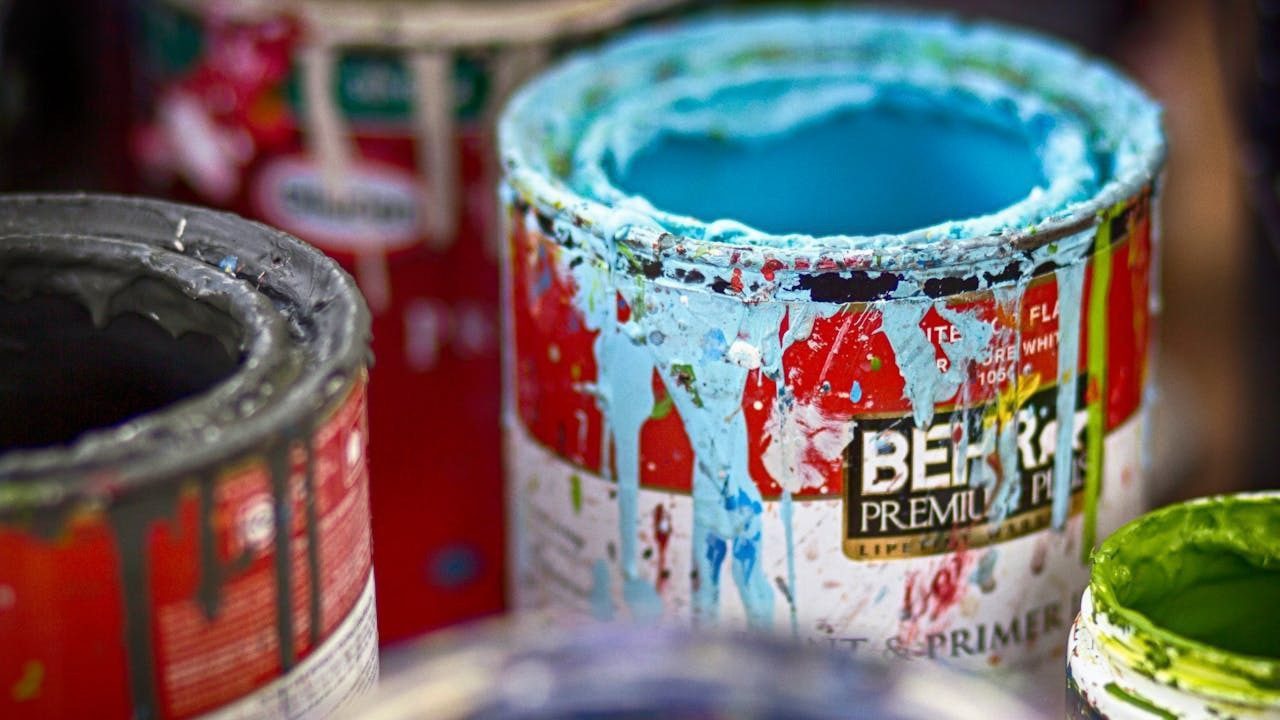
You should never flush paint or paint thinners down your toilet. These substances contain chemicals that can harm your plumbing and the environment.
Paint can solidify and cause blockages in your pipes. Thinners and other solvents are toxic and can contaminate water supplies.
Instead, keep leftover paint and thinners for future use or take them to a recycling center that handles hazardous waste safely. This helps protect your home and the planet.
Oven and window cleaning products

You should never flush oven or window cleaning products down your toilet. These cleaners often contain harsh chemicals that can harm your plumbing and the environment.
Flushing them can cause blockages or damage to your pipes. In addition, these chemicals can contaminate water supplies and affect aquatic life.
It’s safer to dispose of these products according to local hazardous waste guidelines instead of flushing them.
Paper towels

You might think paper towels are just like toilet paper, but they’re not. Paper towels are designed to be strong and absorbent, so they don’t break down easily in water.
If you flush them, they can cause clogs in your pipes. It’s better to throw paper towels in the trash to keep your plumbing safe.
Cosmetic wipes

You might think cosmetic wipes are fine to flush, but they can cause problems. These wipes don’t break down like toilet paper.
Flushing them can lead to clogs in your pipes and in the sewer system.
It’s best to throw cosmetic wipes in the trash bin. This helps keep your plumbing working smoothly and avoids costly repairs.
Flushable wipes

You might think flushable wipes are safe to flush, but they can cause problems. These wipes don’t break down like toilet paper.
Even if the package says “flushable,” they can clog your pipes and create blockages. It’s best to toss them in the trash instead of flushing.
Keeping wipes out of your plumbing helps avoid costly repairs and keeps everything flowing smoothly.
Baby wipes
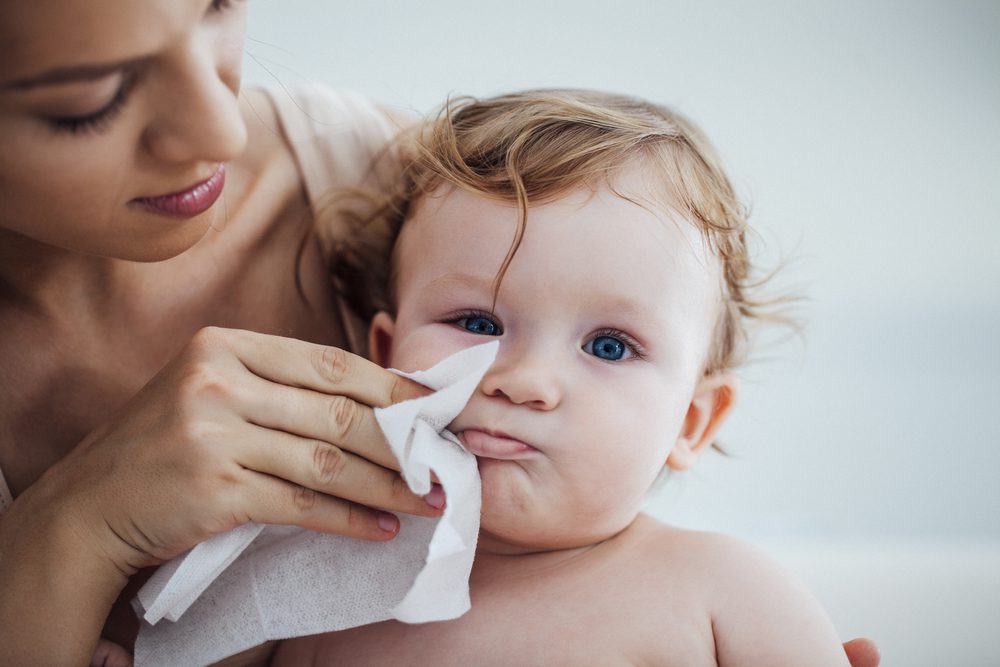
You might see baby wipes labeled as “flushable,” but it’s best not to flush them. They don’t break down like toilet paper does.
Flushing baby wipes can lead to clogged pipes and plumbing problems. Instead, dispose of them in your trash bin for an easier, safer option.
Keeping wipes out of the toilet helps prevent blockages and costly repairs in your home.
Dental floss

You might think dental floss is harmless to flush, but it isn’t. Floss is made from materials like nylon, which don’t break down in water.
When flushed, it can wrap around other debris and cause clogs in your pipes or the sewer system. To avoid plumbing issues, always throw your used floss in the trash instead.
Condoms
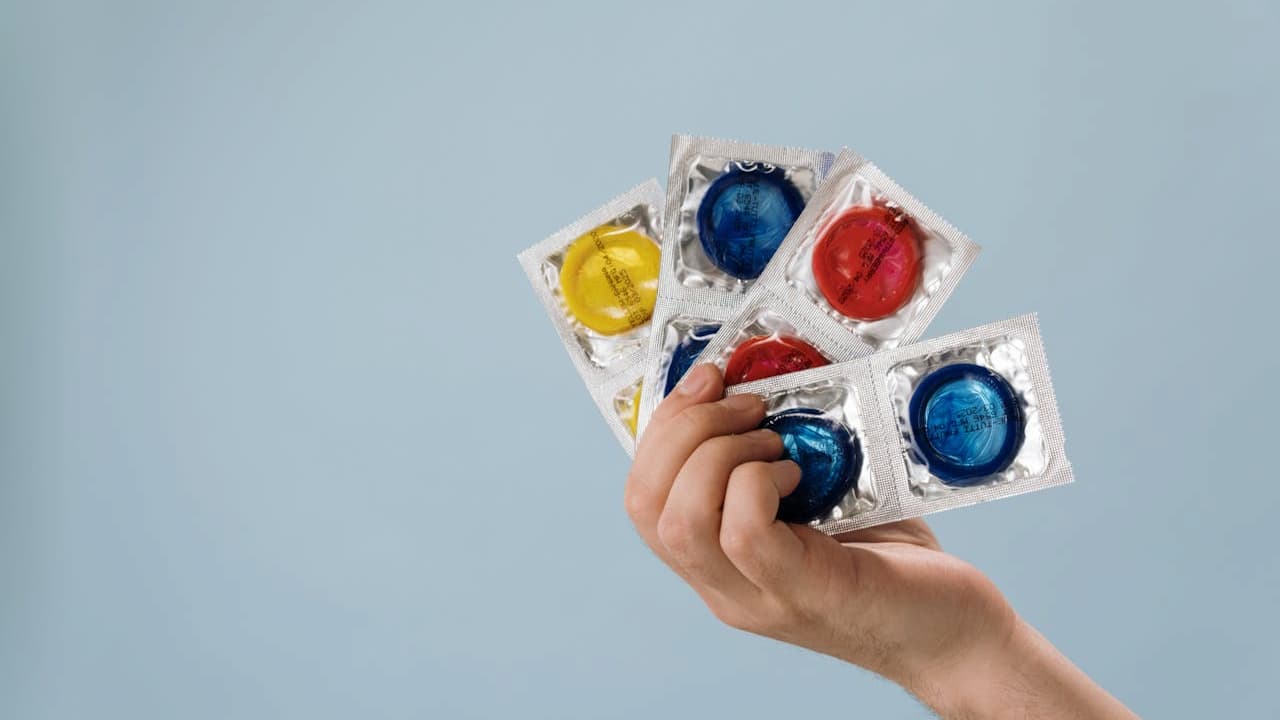
You should never flush condoms down the toilet. They are made from materials that don’t break down easily in water.
Flushing them can cause clogs in your plumbing and damage your septic system.
Instead, wrap used condoms in tissue and throw them in the trash. This is the safest way to dispose of them.
Hair strands
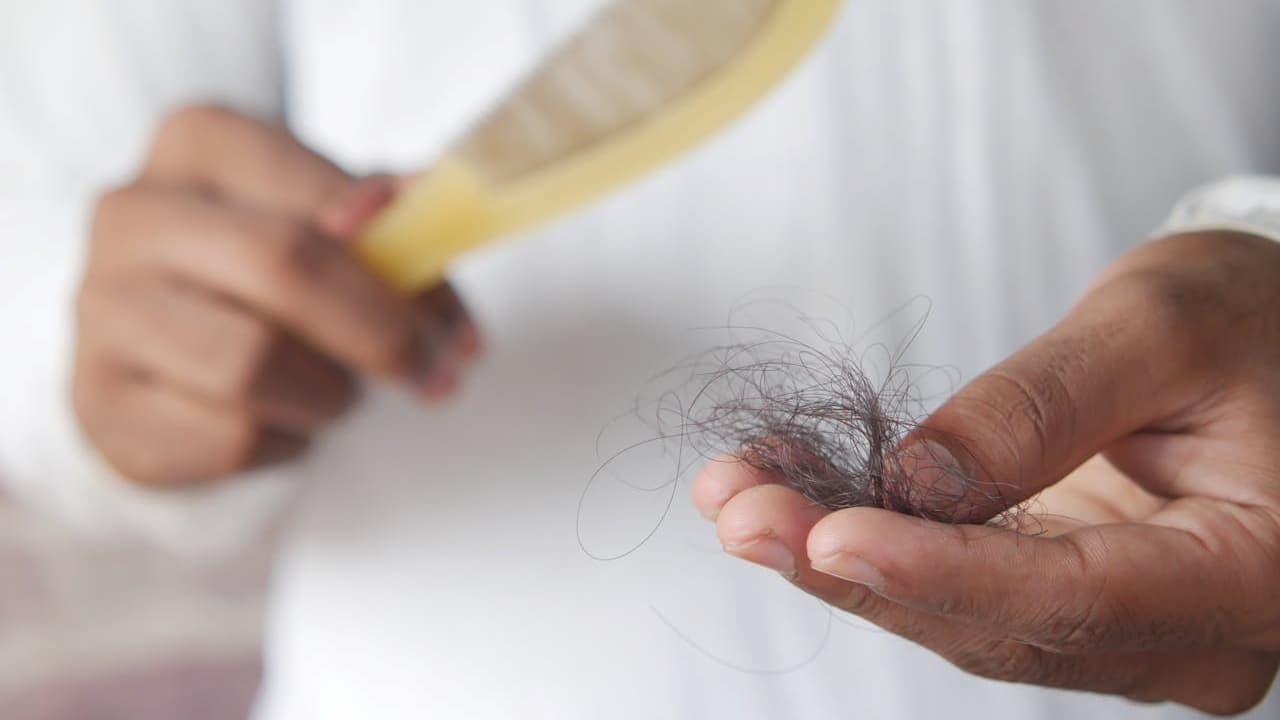
You might think flushing hair strands is harmless, but they can cause clogs. Hair is not water-soluble, so it tends to stick together and inside pipes.
Over time, these strands can wrap around other debris, creating blockages that slow down or stop your plumbing. It’s best to collect hair from brushes or drains and throw it in the trash instead. This simple step can save you from costly repairs later.
Cotton balls and swabs

You might think cotton balls and swabs are small enough to flush, but they can cause problems. These items don’t break down in water like toilet paper does.
When flushed, they often get stuck and build up in your pipes, leading to blockages. It’s best to throw them in the trash instead, keeping your plumbing clear and working well.
Disposable razors

You should never flush disposable razors down your toilet. Their hard, sharp edges can damage your plumbing or cause blockages. Toilets are not designed to handle metal or plastic parts like razor blades.
Instead, wrap used razors in paper and throw them in the trash. This keeps your pipes safe and prevents potential costly repairs. Taking this simple step protects your home’s plumbing system.