The McRib has always traded on mystery as much as nostalgia, promising the flavor of a backyard rib cookout in a fast‑food box. Fans line up when it reappears, critics dissect the ingredient list, and now lawsuits are asking courts to weigh in on what the name really implies. To understand what is actually inside a McRib sandwich, it helps to separate marketing, meat science, and legal claims.
From pork shoulder to “rib” patty
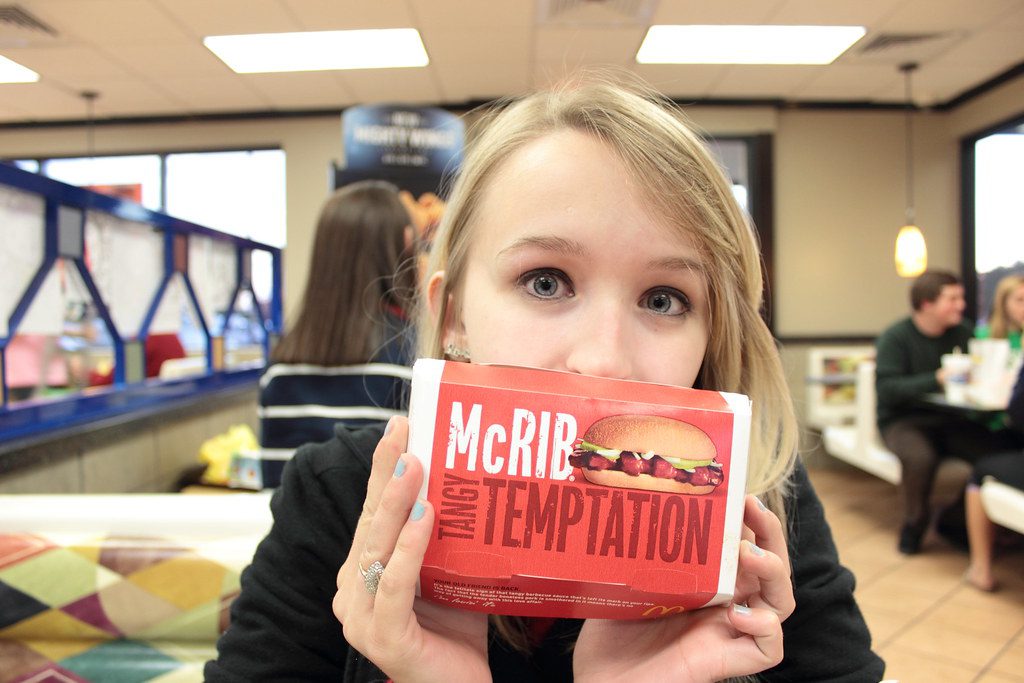
At its core, the McRib is not carved from a rack of ribs but engineered from ground pork shaped to look like one. Company materials describe the sandwich as seasoned boneless pork dipped in tangy BBQ sauce, topped with slivered onions and pickles on a hoagie‑style bun, and list the calorie count at exactly 520 Cal for a standard serving. Independent nutritional tables specify that a single sandwich weighs 7.4 ounces, or 210 grams, which underscores that this is a substantial processed meat product rather than a small snack. The patty itself is formed to mimic a miniature rack, complete with ridges that suggest bones that are not actually there.
Behind that familiar shape is a production process that starts with boneless pork shoulder, which is trimmed, ground, and seasoned before being pressed into molds. A step‑by‑step breakdown describes how the meat is ground and flavored, then shaped into the rib‑style form in a factory setting, a sequence laid out in detail in a report titled Here’s How Your McRib Is Made, which walks through each Step from raw shoulder to finished patty. Other food reporting echoes that description, noting that, According to company explanations, the mixture is primarily ground boneless pork shoulder emulsified with water and spices rather than whole rib meat, which aligns with the molded appearance of the patty According to one detailed ingredient breakdown.
The bun, the additives, and the long ingredient list
What surrounds the pork is just as revealing. Nutrition sleuths who have combed through the label note that the bun alone contains 34 separate ingredients, a tally attributed to reporter Meredith Melnick at TIME, which helps explain the sandwich’s long shelf‑life and uniform texture. Among those components is azodicarbonamide, identified in one environmental health analysis as a flour‑bleaching agent that is most commonly used in gym mats and the soles of shoes, a comparison that has fueled viral concern about the McRib’s formulation Time and again. The sauce and patty bring their own list of stabilizers, sweeteners, and smoke flavorings, including a touch of liquid smoke that one South Florida food discussion credited with giving the sandwich its signature barbecue note, as participants debated Where that flavor really comes from.
For some diners, the result is a guilty pleasure; for others, it is a deal‑breaker. A widely shared social media post from Jan described the McRib as “Without a doubt” the worst thing the poster had eaten that year, adding, “But I was intrigued” enough by the “horrid” texture to look up the ingredients, a reaction that helped spotlight a lawsuit over how the sandwich is marketed as a limited‑time pork rib offering Jan and its contested contents. That tension between nostalgic taste and industrial ingredient lists is central to the current scrutiny: the McRib is built to deliver a specific flavor and texture at scale, but the path to that consistency runs through a chemistry set of additives that many consumers never realize they are biting into.
Why the ingredients are now a legal flashpoint
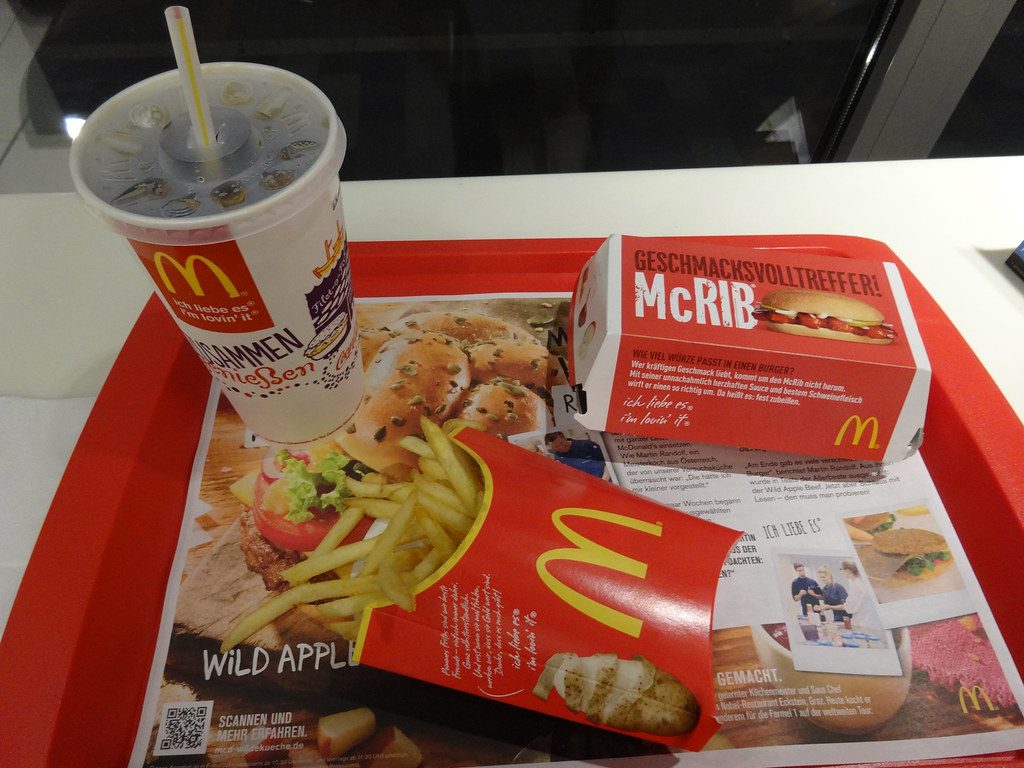
The question of what is inside the sandwich has moved from food blogs to court filings. A new class‑action complaint argues that the name “McRib” is a deliberate sleight of hand because it suggests rib meat when the patty is actually made from other pork cuts, a claim brought by four consumers from California, New York, and Illinois who say they were misled by the branding. A related filing in Indiana goes further, asserting that the patty includes pork heart, tripe, and stomach, and accusing the company of obscuring that the meat comes from other pork cuts rather than ribs, allegations laid out in a detailed Lawsuit that repeatedly asks What exactly is in a McRib. Another complaint, highlighted in national business coverage, similarly contends that the sandwich contains no real rib meat at all, despite the name and imagery used in advertising, and challenges whether the average customer would understand that the patty is molded rather than carved Jan.
The company has pushed back hard, calling the core allegations inaccurate and saying the lawsuits distort what is already disclosed on its website, where the sandwich is described as a seasoned boneless pork patty dipped into a tangy BBQ sauce, a characterization it says has “always” been accurate But not misleading. In a separate statement, the company has emphasized the McRib’s long history as a limited‑time cult favorite, noting that it was Introduced nationwide in 1982 and has since become one of its most recognizable rotating items, returning periodically to spark lines of devoted fans who track its appearances across the country Introduced. For now, the legal fight turns on whether that nostalgia and the disclosed ingredient list are enough, or whether calling a molded pork patty a “McRib” crosses the line from clever branding into consumer deception.
More from Decluttering Mom: