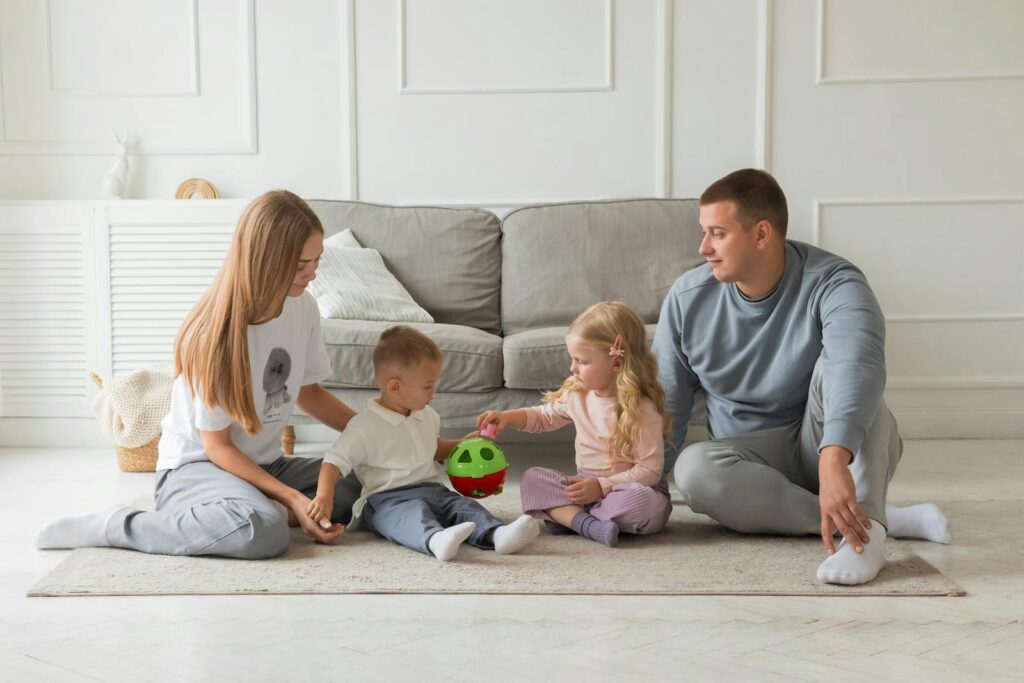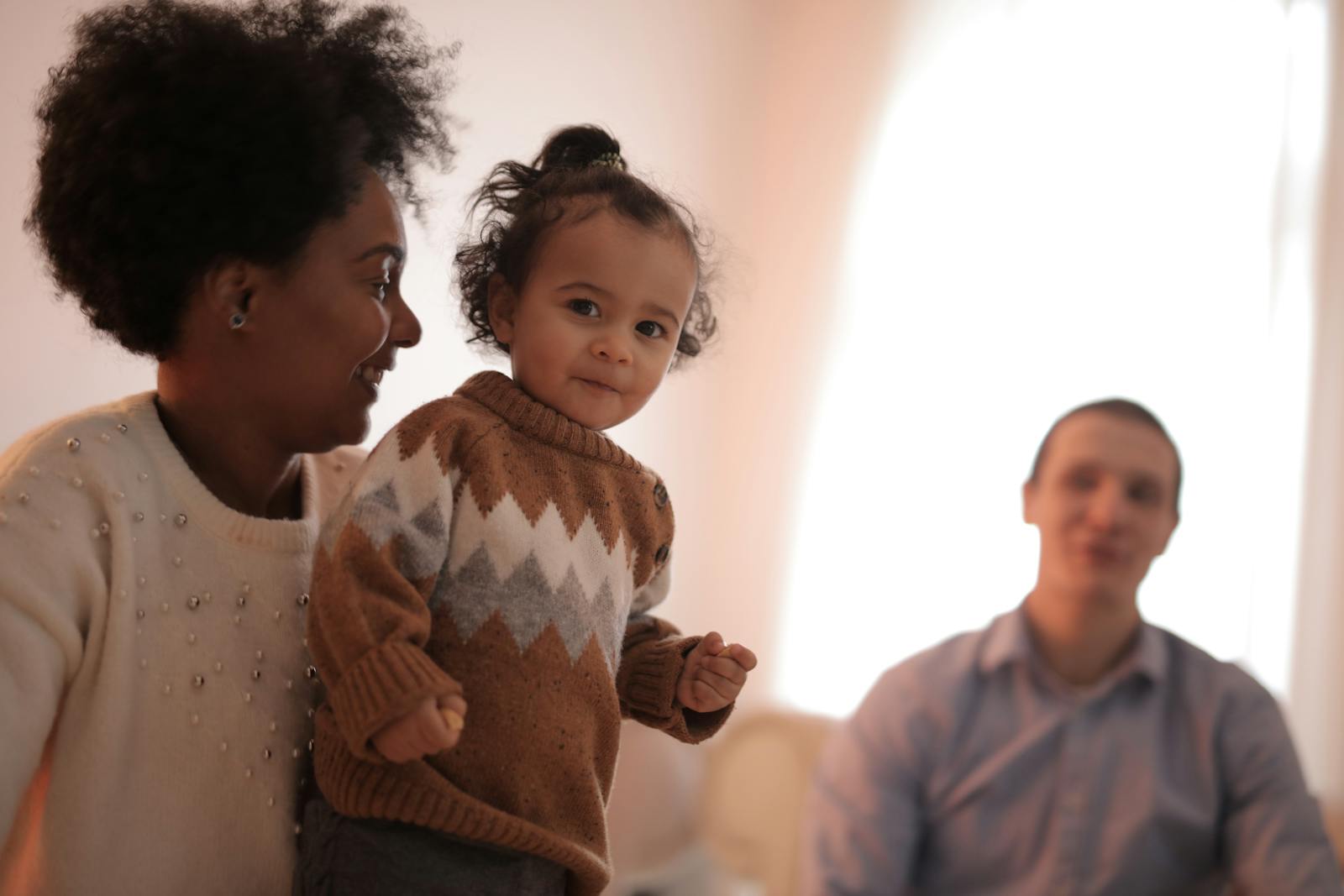
There is a very specific kind of resentment that can grow inside a family without anyone naming it right away.
One parent gets to be the one the kids run toward. The playful one. The easy yes. The one who jumps into games, stays light, and somehow always seems to arrive when the moment is fun.
The other parent is the one keeping the whole machine running.
That parent knows who needs new shoes, which form is due tomorrow, what time the dentist appointment got moved to, and why nobody can stay up another hour on a school night. That parent is often the one carrying rules, routines, logistics, and the mental math of family life. Experts say this “fun parent” dynamic can create real tension when one adult gets associated with play while the other gets stuck being the default disciplinarian and household manager.
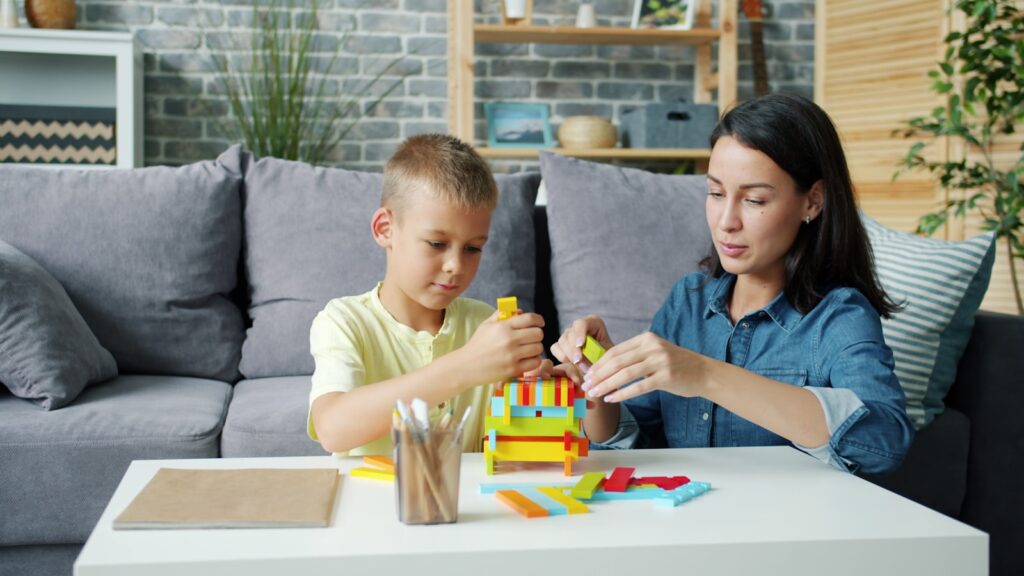
Why this dynamic feels so lopsided
On its own, being playful with kids is not a bad thing. In fact, experts say it can be great for children. Playfulness can lower stress at home, support creativity, and help kids feel safe, relaxed, and connected.
The problem starts when “fun” becomes a role built on someone else doing the hard parts.
If one parent is always the one saying yes while the other is left handling the structure, the relationship can start to feel deeply uneven. The playful parent gets the warmth and spontaneity. The other gets the rules, correction, reminders, and emotional labor that make family life function in the first place. Experts warn that, taken too far, this split can leave one parent feeling like the “police officer” of the house while the other gets to be the favorite.
That is where the real damage happens. Not because fun is wrong, but because imbalance is exhausting.
Why moms often end up in the harder role
This dynamic is not always about gender, but experts note that fathers are frequently seen as the “fun parent,” while mothers are more often associated with the logistics of parenting, from appointments to errands to daily household management. They also note that moms are often treated as the default parent, which leaves them with less time and energy for play in the first place.
That part matters.
It is hard to be the carefree parent when your brain is still running through tomorrow’s lunch, the laundry in the dryer, the child who still has not finished homework, and the fact that nobody has signed the field-trip form. Over time, the issue is not just who gets to be fun. It is who gets to be free from the constant background load.
And when one partner keeps carrying that invisible load alone, “fun” can stop looking charming and start looking a lot like avoidance.
What kids can start to learn from it
This dynamic does not just affect the adults. It can shape the whole tone of the household.
Experts say that when one parent consistently ignores or bends rules that the other parent is trying to uphold, children can become confused about boundaries. They may start testing limits more often, pushing one parent against the other, or learning that structure is optional depending on who is in the room. That can make behavior worse, not better, and it can leave both parents feeling less like a team.
Kids need warmth, yes. But they also need consistency.
The most secure family environments usually are not the ones where one parent is endlessly fun and the other endlessly strict. They are the ones where both adults help create a home that feels loving and stable at the same time.
The answer is not “stop being fun”
That is important, because this is not really a case against fun.
Experts are clear that play, silliness, and imagination can all be deeply healthy parts of parenting. The goal is not to turn every parent into a rigid rule-enforcer or to treat joy like a problem. The goal is to make sure fun is not being built on top of one person’s burnout.
A healthier version of this dynamic looks more balanced.
It looks like both parents reinforcing the same house rules. It looks like the playful parent also stepping into routine, discipline, and follow-through. It looks like the more burdened parent getting real space to be light, playful, and emotionally available because they are not carrying everything alone. Experts say that when both parents consistently back the same boundaries, children are more likely to feel safe and secure within the family unit.
What couples may need to say out loud
For a lot of couples, the hardest part is not fixing the imbalance. It is admitting that it exists.
Because from the outside, the problem can look small. One parent is just more playful. One parent is just more organized. One parent is just naturally better at routines.
But in real life, those roles harden fast.
And once they do, the parent carrying the heavier load can start to feel lonely, unappreciated, and quietly angry. Experts specifically note that this uneven partnership can leave one person feeling burned out while the other may not even realize how much resentment has built up.
That is usually the moment when the real conversation needs to happen.
Not “Why can’t you be more like me?”
Not “You never help.”
Not “The kids like you more.”
But something more honest:
I do not want to be the only grown-up in the room.
I need us to share more than the good parts.
I need fun and responsibility to belong to both of us.
More from Decluttering Mom: