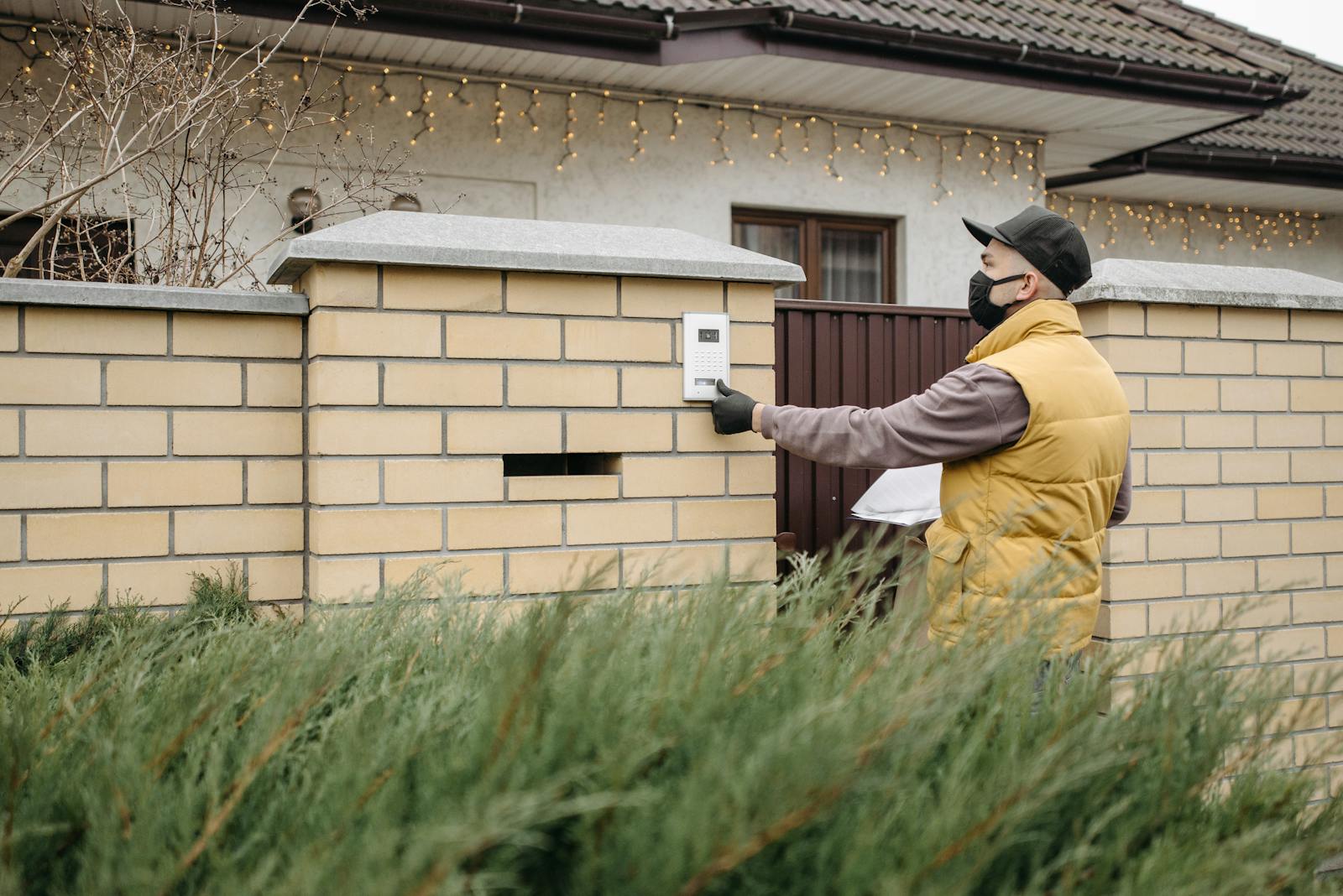
Doorbell cameras promise peace of mind, but the clips they capture can easily spill out of the neighborhood and into a courtroom. Once that footage hits a group text, a neighborhood app, or a social feed, the homeowner is not just a casual observer anymore, they are a publisher with real legal exposure. Sharing the wrong clip, in the wrong way, can turn a simple security habit into a privacy fight, a civil lawsuit, or even a criminal problem.
The law is racing to catch up with the reality that every front porch now doubles as a mini surveillance hub. Between long‑standing privacy rules, fresh state data laws, and old‑fashioned defamation and harassment claims, the risk is less about owning the camera and more about what someone does with the recordings.
When “my porch, my rules” stops being true
Homeowners often assume that if a camera is on their property, they can record and share whatever it sees. In practice, courts keep coming back to a simple idea: people are protected where they have a reasonable expectation of privacy. Federal guidance on security cameras notes that video in public spaces is generally allowed, which covers most typical doorbell views of sidewalks and streets, but it also stresses that owners should keep cameras off areas like bathrooms or bedrooms where privacy is obvious, even if those spaces are inside their own homes or visible through a window, and that expectation of privacy framework is the same one judges use when they look at shared clips from a front door camera, as explained in Expectation of.
State rules layer on top of that baseline. A national overview of camera laws points out that it is usually legal to record video as long as the camera is not pointed into places where someone would reasonably expect seclusion, and that the trouble starts when a lens is aimed into a neighbor’s bedroom, bathroom, or child’s room, which can turn a simple recording into a privacy and a legal violation, a point underscored in Dec. That same guidance warns that the question “Can my neighbor video record me?” is not hypothetical anymore, and that parents are especially sensitive when cameras capture children in spaces like a yard or a playroom, concerns that show up in the discussion of But US.
The audio problem: when your doorbell becomes a wiretap
The quiet legal trap with many doorbell cameras is not the video, it is the microphone. Federal law and a patchwork of state rules treat audio recording very differently from silent video, and several states require all parties to consent before a conversation can be recorded. A detailed look at security camera legality notes that while video of public areas is broadly permitted, recording sound without consent can trigger separate wiretapping or eavesdropping laws, especially in so‑called two‑party consent states, a distinction highlighted in Jul. That means a doorbell that casually picks up porch chatter between a delivery driver and a neighbor may be gathering more than a homeowner is legally allowed to keep, let alone share.
Courts focus on whether the people being recorded reasonably believed their conversation was private. Analysis of surveillance rules points out that the key principle judges use is that same expectation of privacy, and that audio recording on a porch can be treated differently from silent video because it captures the content of conversations, a nuance that has already mattered in states like California and Florida that have strict consent requirements, as described in Oct. Canadian guidance takes a similar line, warning that while recording may be legal in some circumstances, sharing those recordings can still expose someone to criminal liability or civil lawsuits if the audio captures private conversations, a risk spelled out in While.
Sharing clips online: defamation, harassment, and misidentification
The moment a homeowner posts a doorbell clip to a neighborhood Facebook group or a Nextdoor thread, they are not just storing evidence, they are broadcasting an accusation. Legal guidance on sharing home security footage stresses that even if someone follows every privacy rule while recording, they can still face claims if the person in the video is misidentified or not being accurately depicted, a risk highlighted when discussing how a clip can unfairly label someone as a thief or stalker, as noted in Jan. Once a name or face is tied to words like “porch pirate” or “suspicious,” that person may argue they have been defamed if the accusation turns out to be wrong or exaggerated.
Privacy specialists also draw a line between recording for security and sharing for entertainment or public shaming. A detailed breakdown of surveillance rules explains that home security camera and doorbell camera recordings are still subject to privacy laws, and that capturing footage on private property does not automatically grant unrestricted sharing rights, especially when the purpose of sharing shifts from safety to gossip or ridicule, a distinction spelled out in Surveillance. The same source warns that even with home security systems, privacy regulations still apply and do not automatically grant unrestricted sharing rights, a point repeated when it notes that posting clips to social media can cross the line from legitimate safety concerns into harassment, as described in However.
When your footage becomes evidence
Doorbell clips do not just live on phones and apps, they are increasingly showing up in court files. Family lawyers have started to see front porch footage used in divorce and custody disputes, where one spouse tries to prove the other is cheating, abusing substances, or violating a parenting plan. Legal analysis of these cases notes that judges first ask whether the recording was obtained legally, and that a camera hidden in a bedroom or bathroom is far more likely to be treated as an invasion of privacy than a camera pointed at a front door, a distinction that shows up in guidance on how courts view recordings in intimate spaces, as explained in Doorbell Camera Footage. Judges also look at how the footage was stored and shared, and whether anyone tampered with it before bringing it into a case.
Police are paying attention too. A breakdown of home security practices notes that officers can legally obtain home security videos in three main ways, including with the owner’s consent, through a warrant, or by accessing footage stored by third‑party providers, and that every camera user should understand those pathways before they casually hand over clips, as described in Jan. In civil cases, courts may treat silent video differently from audio, and one legal guide notes that footage without sound, such as a doorbell camera that records only images, can be easier to admit as evidence than clips that include recorded conversations, which are more likely to trigger wiretap concerns, a nuance highlighted in Here.
Data, identity, and the new privacy minefield
Behind every short clip is a surprising amount of data: timestamps, location tags, user accounts, and sometimes even linked payment or profile information. Privacy experts warn that in 2026 the backbone of camera regulation in the USA is still the idea of a reasonable expectation of privacy, but that property owners who casually share or store footage without thinking about data security are entering a legal minefield, a warning spelled out in Privacy Laws Regarding. New state privacy statutes that took effect earlier this year add another layer, with a Privacy & Information Security Law Blog describing how several New State Privacy rules now treat certain video and biometric data as regulated personal information, part of a broader wave of Global Privacy and Cybersecurity Law Updates and Analysis captured in New. For homeowners, that means the way they store and share clips can be scrutinized under data protection rules, not just old‑school privacy torts.
More from Decluttering Mom: