You hate when white towels go dingy after a single wash because you followed common laundry routines that actually trap oils, detergent residue, and mineral buildup in the fibers. Stop overloading the washer, cut back on detergent, and skip fabric softener — those three habits alone cause most white towels to look gray or yellow.
This post shows why typical washing choices darken white towels and how to fix them, from simple cycle changes to targeted brightening soaks. You’ll learn which habits to quit, how to restore dingy towels safely, and small adjustments that keep your whites hotel-bright without harsh chemicals.
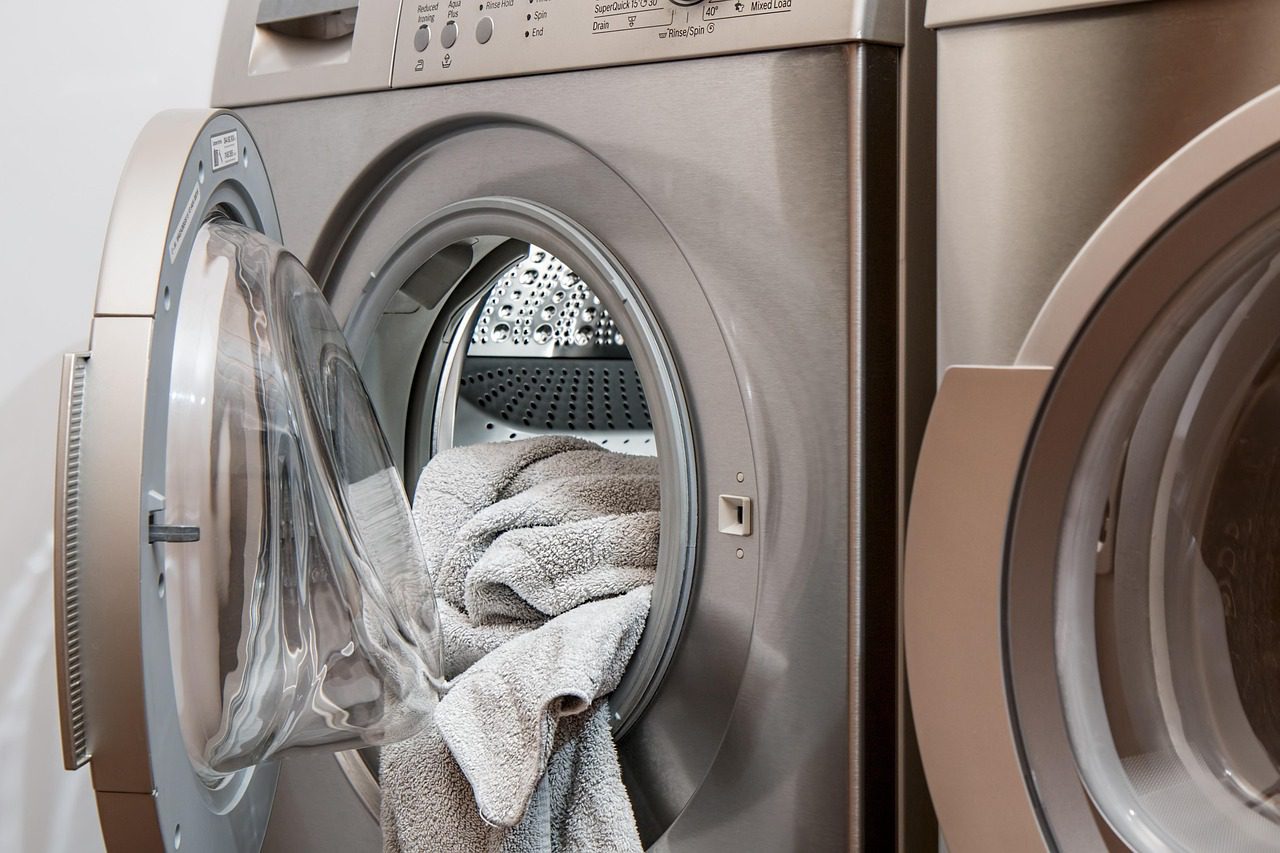
The Most Common Laundry Habits That Cause Dingy White Towels
Small laundry choices add up quickly. Everyday actions like how much detergent you use, which items you wash together, and the water quality in your home determine whether your white towels stay bright or turn dingy.
Using Too Much Detergent and Detergent Buildup
Using more detergent than your load needs leaves residue inside towel fibers. That residue traps body oils and minerals, which makes towels feel stiff and appear gray over time. Measure detergent by the load size and soil level; for HE machines use the low-dose line on the bottle unless the load is heavily soiled.
Avoid fabric softeners on towels. Softener coats fibers, reducing absorbency and attracting dirt. Instead, run a monthly rinse with 1/2 cup distilled white vinegar to dissolve buildup and neutralize odors. If towels already look dull, run a hot wash with vinegar, then wash again using baking soda to help remove trapped detergent.
Washing White Towels With Colors and Dye Transfer
When you wash whites with colored laundry, unseen dye transfer can tint fibers slowly. Even a dark T-shirt washed once can release small amounts of dye that accumulate and make white towels look dingy. Always wash white towels separately to prevent gradual discoloration.
Sort loads by color and by fabric type; keep towels in their own cycle. If you must mix loads, add a color catcher sheet and wash on a cold, gentle cycle—but this is a stopgap, not a best practice. Inspect any new colored garments for bleeding before they join mixed loads.
Overloading the Washing Machine
Overloading prevents towels from tumbling and rinsing properly. Towels packed tightly don’t get enough water and agitation to release oils and detergent. That leaves grime and residue inside fibers, causing a dingy, crunchy finish and longer drying time.
Leave space for items to move freely—about half to three-quarters of the drum filled with towels. Use the appropriate cycle (towel or bulky) and select extra rinse if your washer has it. Fluff towels before drying to restore loft and ensure even heat and airflow in the dryer.
Impact of Hard Water and Lack of Water Softener
Hard water deposits calcium and magnesium on towels, leaving them rough and grayish. Minerals combine with detergent to form soap scum that clings to fibers. If your water tests high in hardness, your towels will show the effects even with normal detergent use.
Use a water softener or add a water-conditioning treatment like 1/2 cup distilled white vinegar during the rinse to reduce mineral buildup. Consider switching to a phosphate-free detergent formulated for hard water. If you notice recurring dinginess, run a stripping wash with hot water, oxygen bleach, and detergent to remove mineral and detergent residue.
Best Practices for Restoring and Keeping White Towels Bright
Start by washing white towels separately in the hottest water safe for their care label and use only the amount of detergent needed. Add targeted brightening agents when towels look dingy, and dry with wool dryer balls to restore loft without fabric-softener buildup.
How to Wash White Towels for Maximum Brightness
Wash white towels alone to prevent dye transfer and to let the detergent and water work effectively. Use the hottest water temperature listed on the towel care label; heat removes body oils and soils that make towels dull. Measure detergent carefully — excess soap leaves residues that attract grime and cause dinginess. Run a full rinse cycle or an extra rinse to remove leftover detergent.
Load the washer loosely; overcrowding prevents agitation and stops towels from cleaning each other. Use a heavy-duty or towels cycle when available. For routine maintenance, wash towels every three to four uses to avoid buildup of oils and minerals.
Adding Oxygen Bleach and Other Brightening Boosters
Use oxygen bleach (sodium percarbonate) instead of chlorine for routine whitening because it brightens without weakening fibers. Add the recommended dose to the wash—typically a half cup per load—or follow the product directions. For spot treatment, apply a 3% hydrogen peroxide solution to stains and let it sit 10–15 minutes before laundering.
Add ½ cup baking soda to the wash to neutralize odors and improve detergent action. In the rinse cycle, pour 1 cup of distilled white vinegar to dissolve residues and restore absorbency. Avoid fabric softener; it deposits a coating that reduces brightness and absorbency over time. For instructions on towel-stripping mixtures and soaking methods, see this practical towel-stripping guide from The Spruce (https://www.thespruce.com/how-to-keep-white-towels-looking-white-11850844).
The Role of Wool Dryer Balls in Drying
Wool dryer balls help restore fluffiness without chemical softeners. Toss two to four wool dryer balls into the dryer with your towels; they separate fibers and increase airflow, cutting drying time and preventing crushed loops that look flat and dingy. Use low to medium heat to protect fibers while still drying completely.
Wool balls also reduce static without leaving residues, so your towels stay absorbent and bright. Refresh them occasionally by washing on gentle and air-drying, and replace when they become small and matted.
Deep Cleans and Preventing Future Discoloration
When towels feel coated or look gray, perform a deep clean. Fill a tub or large basin with hot water and add ½ cup washing soda, ½ cup powdered detergent, and ½ cup borax (or follow a trusted towel-stripping recipe). Soak towels several hours, agitate periodically, then rinse thoroughly and launder normally with oxygen bleach. Repeat annually or when towels regain stiffness or dullness.
To prevent reoccurrence, avoid overusing detergent, wash towels separately from clothing, and skip dryer sheets and liquid fabric softener. Sun-dry occasionally; UV helps whiten naturally. Store towels fully dry and rotate usage so no single towel accumulates all the wear and buildup.