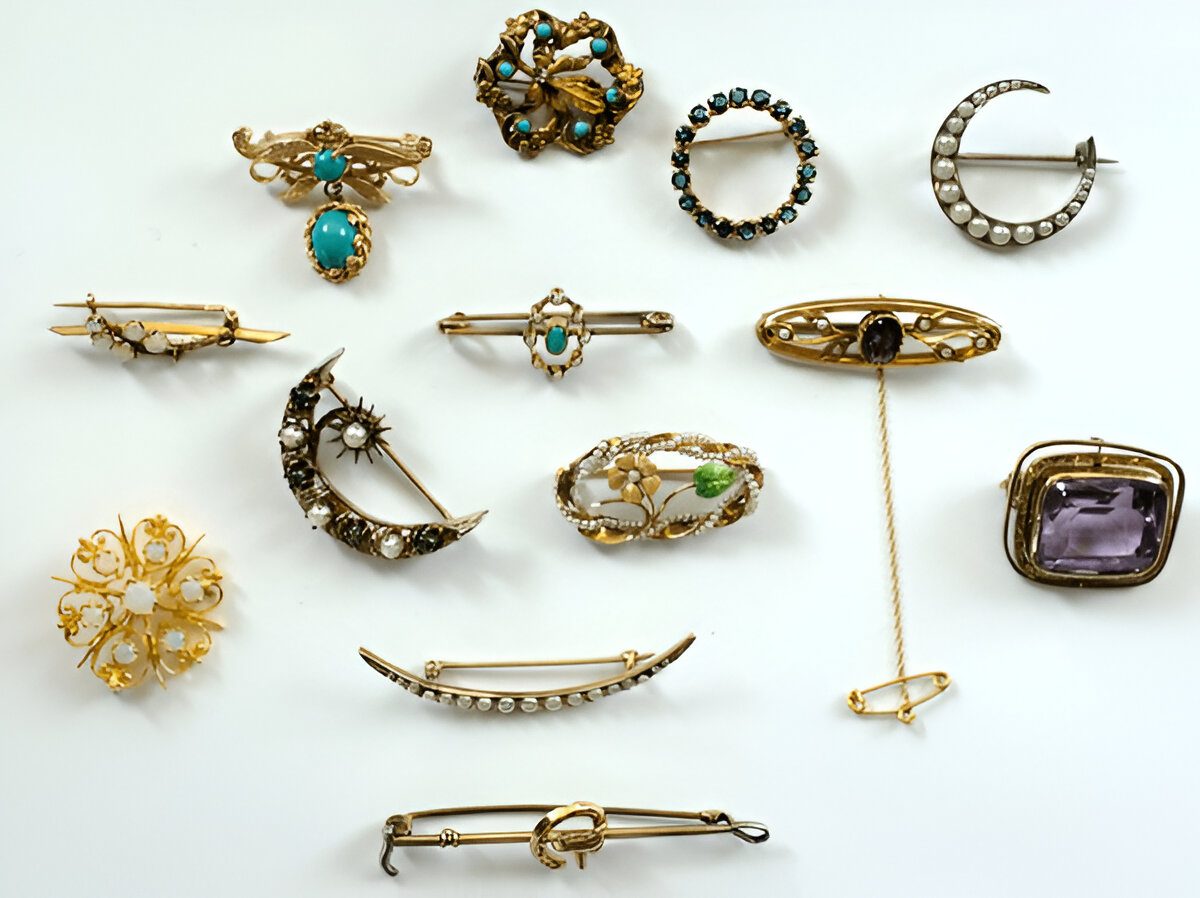
That tangle of sparkly brooches, clip-on earrings, and colorful beads in Grandma’s jewelry box may look like fashion from another era—but it could be hiding a treasure trove. Costume jewelry, once seen as disposable, is now a hot item among collectors and vintage fashion lovers. Whether rhinestone-encrusted or made from lucite, many pieces have surprisingly high resale value. In this article, we’ll explore why costume jewelry was so beloved, how to spot valuable pieces, and what yours could be worth today.
What Is Costume Jewelry?
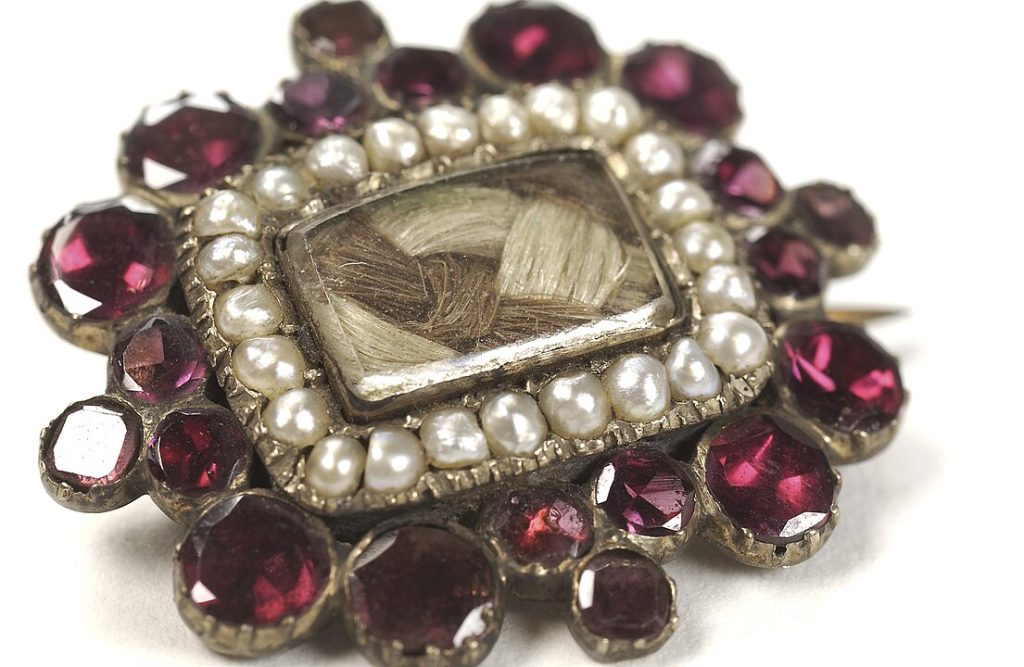
Costume jewelry refers to decorative pieces made from non-precious materials like glass, plastic, enamel, and base metals. Unlike fine jewelry, these items were designed to be affordable and trendy. From the 1920s through the 1980s, brands like Trifari, Coro, Weiss, and Monet dominated the market with stylish designs that mimicked high-end jewelry. Learn more at Collectors Weekly.
Why Grandma Loved It
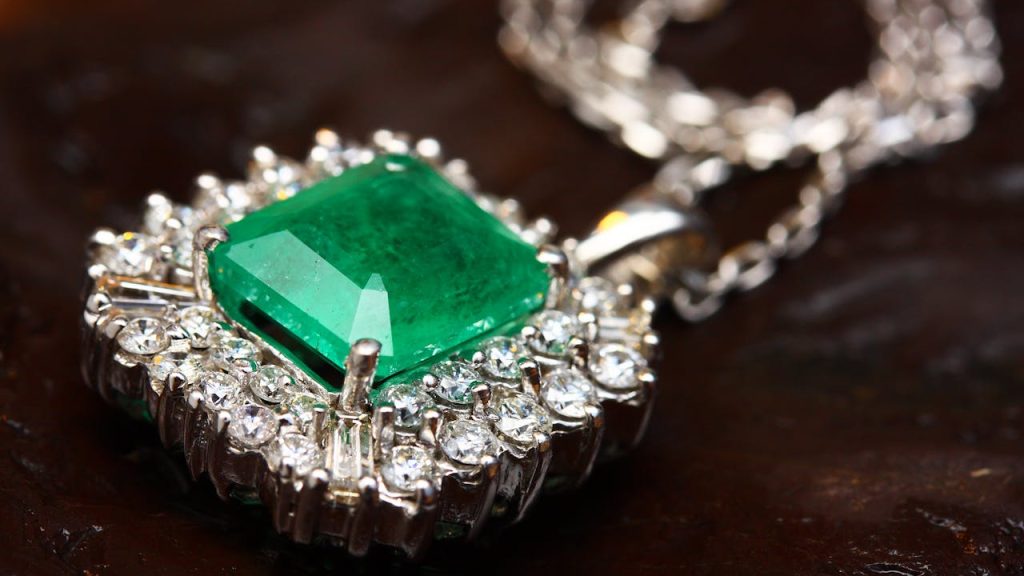
Costume jewelry was affordable elegance. Women could accessorize with flair for a fraction of the cost of diamonds or gold. It was often gifted for special occasions and collected piece by piece. Many women developed personal collections that matched their outfits and personalities. These weren’t just adornments—they were expressions of identity, style, and era.
What It’s Worth Today
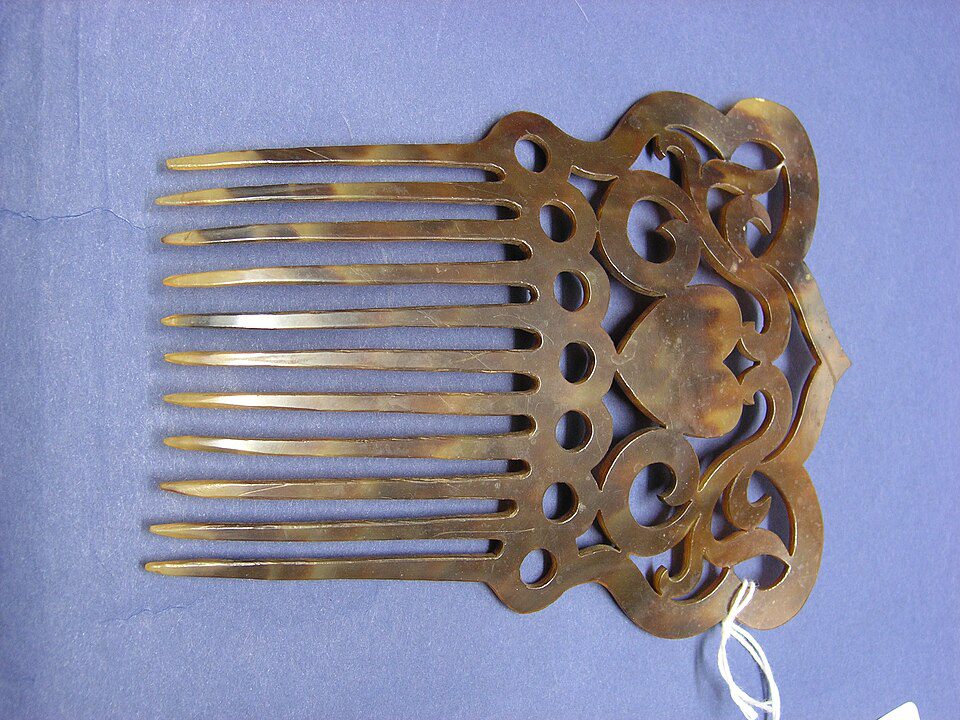
Some pieces sell for $10–$30, but designer or signed pieces in excellent condition can fetch $100–$500. Rhinestone brooches from Weiss or Eisenberg, chunky Bakelite bangles, and 1950s glass bead necklaces are especially valuable. Entire parure sets (matching necklace, earrings, and bracelet) can bring in even more. Check eBay’s sold listings for real-time pricing.
Popular Brands and Styles to Look For
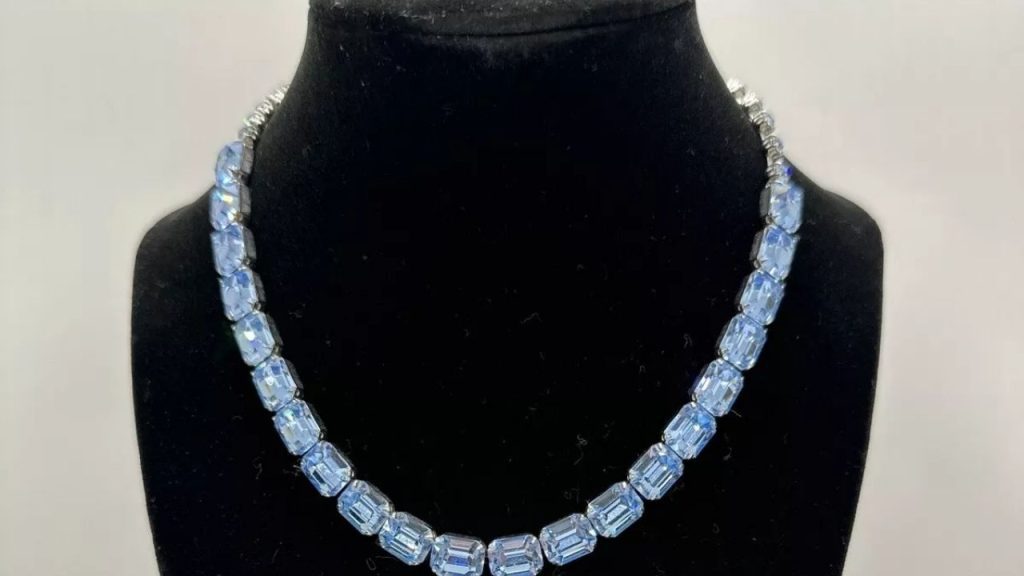
- Trifari: Known for its Art Deco and mid-century designs, especially pieces signed “Trifari Crown.”
- Weiss: Famous for high-quality rhinestones and snowflake brooches.
- Bakelite: Early plastic used for bold, chunky bracelets and earrings—very collectible.
- Monet: Clean, classic gold- and silver-tone pieces from the ’60s–’80s.
- Unsigned beauties: Some unsigned vintage pieces still carry value if well made and in good condition.
How To Identify Valuable Pieces
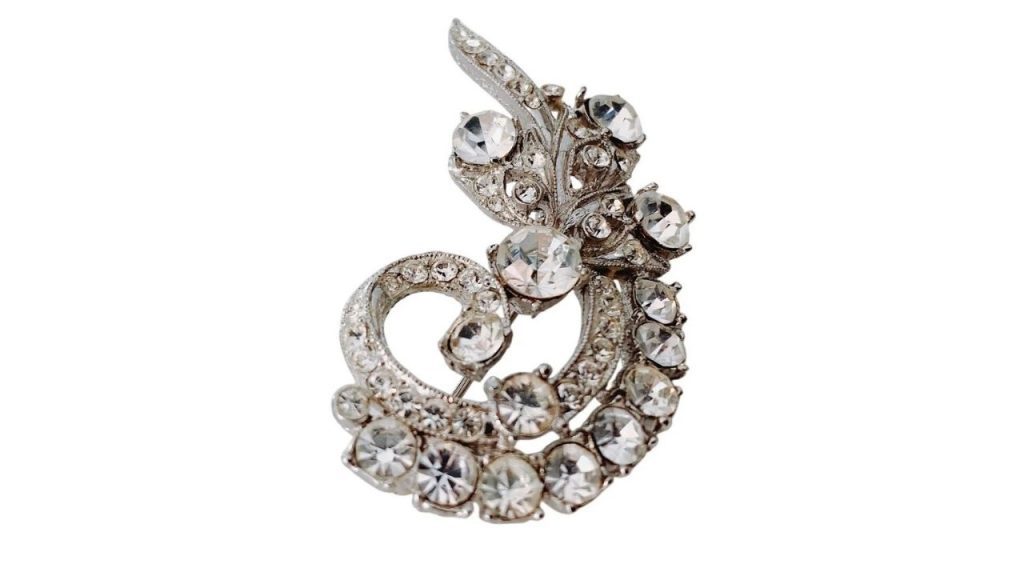
Look for maker’s marks on the back of earrings, clasps, or brooches. Check for quality construction—prong-set stones, enamel work, and intact clasps are good signs. Weight often indicates quality: heavier pieces were usually better made. Use a magnifier to inspect details and avoid damaged or missing parts, which reduce resale value.
Where To Find or Sell It
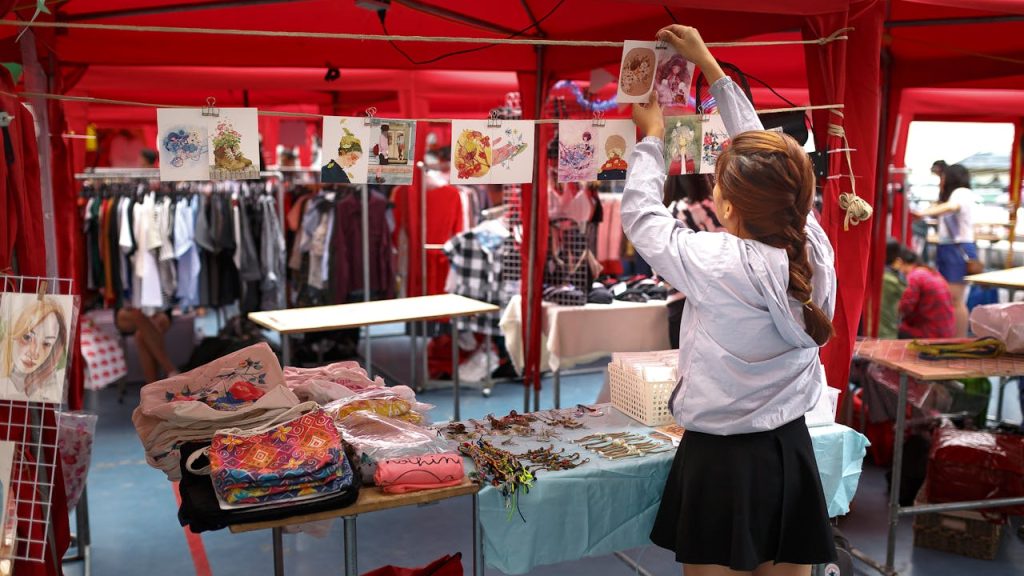
Estate sales, flea markets, and antique stores are ideal places to score vintage costume jewelry. Online platforms like Etsy, eBay, and even Poshmark have active buyers. If selling, organize and photograph pieces clearly. Join vintage jewelry groups on Facebook or forums to ask for help identifying makers and potential value.
Caring for Vintage Costume Jewelry
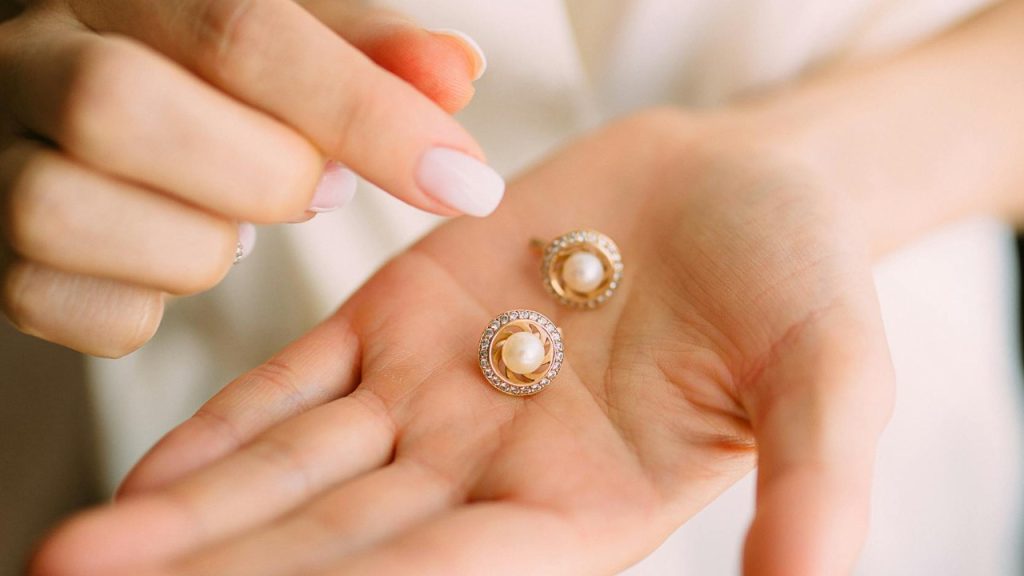
Avoid getting pieces wet—moisture can ruin rhinestones and tarnish metals. Store in dry, soft-lined boxes or pouches. Use a dry toothbrush to gently remove dust or buildup. Keep pieces separated to prevent scratches and wear, especially for enamel or glass stones.
Should You Sell or Keep It?
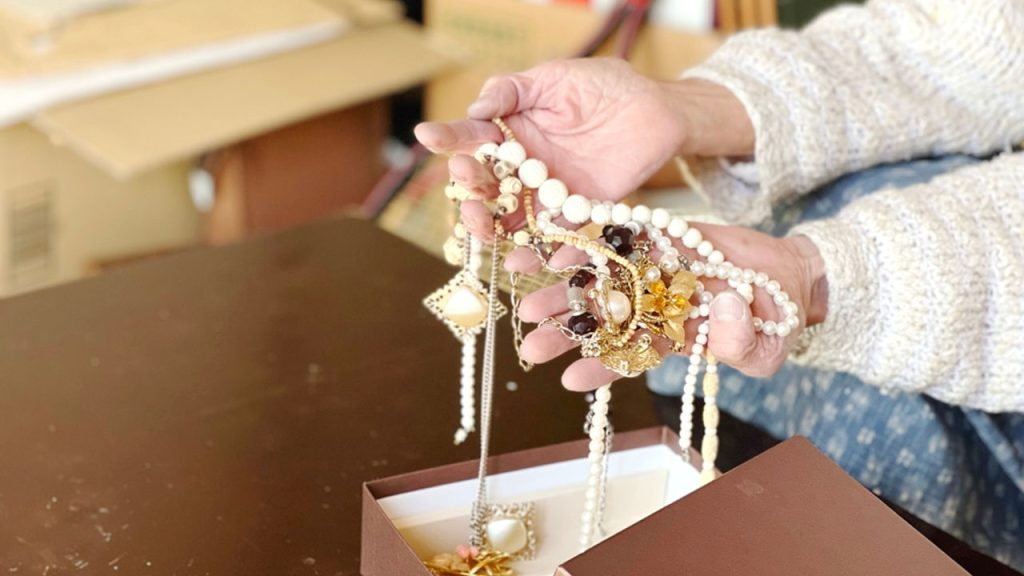
If you’re not wearing it but know someone who would, consider passing it on or selling. But don’t be too quick to part with Grandma’s collection—some pieces are gaining value. Many collectors now view costume jewelry as wearable art. If it sparks joy or carries sentimental value, display it or repurpose it creatively.
The Future of Costume Jewelry Collecting
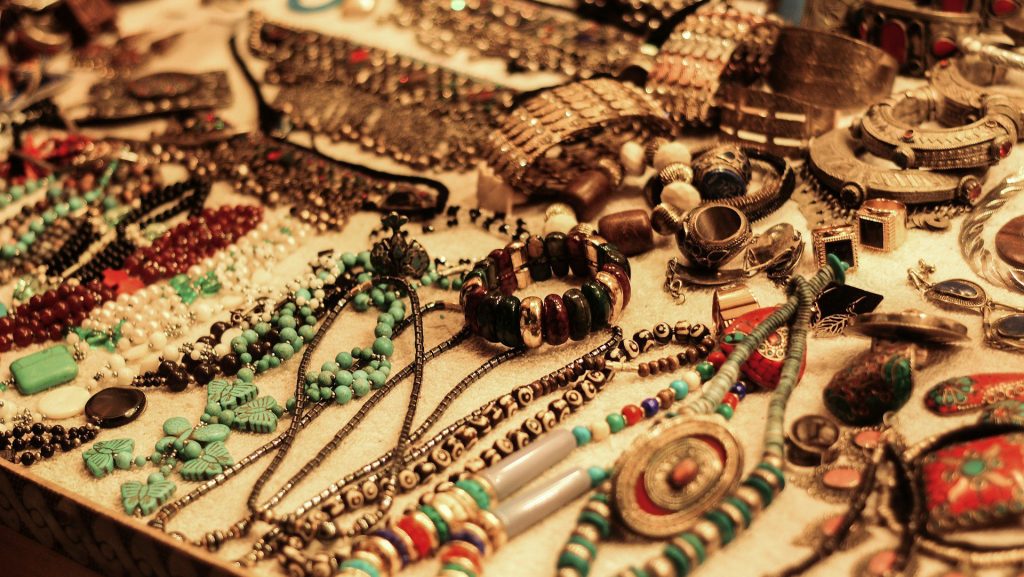
As vintage fashion cycles back into style, demand for authentic mid-century and Art Deco jewelry is growing. Eco-conscious consumers and Gen Z fashionistas love the charm and sustainability of vintage accessories. High-quality or unusual pieces will likely appreciate as supply dwindles and nostalgia grows.
Final Thoughts

Grandma knew a good thing when she saw it. Costume jewelry may not have been made of gold, but it sparkled just the same—and today, it shines even brighter in the eyes of collectors and vintage lovers. Whether you sell, wear, or simply admire it, those old pieces carry beauty, history, and perhaps a little bit of glamour too.