Family history is not built on cardboard boxes in the attic, it lives in the stories people actually tell and the objects they can realistically care for. Letting go of certain keepsakes can feel disloyal, yet it often clears space for the pieces that truly carry a family’s voice forward. When the clutter thins out, the memories that matter most finally have room to breathe.
When “special” stuff quietly turns into clutter
Most families have at least one mystery bin of “important” things that no one has opened in years. If an item is so meaningful that it has been exiled to a damp garage or a hard-to-reach storage unit, it is already slipping out of the family story. Professional organizers point out that if something is treasured, it should be visible and enjoyed, not buried where it may deteriorate, which is why they prod clients with blunt questions like, “If it is so special, why is it out in the garage?” That kind of reality check, echoed in advice on keepsakes, reframes clutter as a threat to the very memories people think they are protecting.
Decluttering experts also stress that emotional attachment does not automatically make an object a legacy. Matt Paxton, in a segment shared in Jul on his show “Legacy List with Matt Paxton,” talks about choosing a small “legacy list” of items that actually spark stories, instead of trying to keep every last program, figurine, and ticket stub. His approach, highlighted in a video about how to declutter sentimental items, treats physical things as prompts, not archives. Once families accept that, it becomes easier to admit that a cracked vase or anonymous box of linens is not preserving history, it is just taking up space.
Choosing what truly carries the story
Letting go without guilt starts with deciding what actually represents the family narrative. One practical tactic is to sort heirlooms by category and function, then pick a few standouts that people will use or display. Guides on how to declutter and organize suggest focusing on items that can be rotated into daily life, like seasonal decorations or a single serving dish that appears at every holiday. When a platter or quilt shows up at the table or on the couch, it naturally invites stories about who made it and why it matters.
Professionals who specialize in preserving “the family trash” argue that the point of saving heirlooms is to preserve memories, not to warehouse every object that ever passed through a relative’s hands. Advice on preserving special heirlooms pushes families to ask whether each piece is worth the time and effort to maintain. If no one can tell the story behind a chipped figurine, but everyone lights up at the sight of a single handwritten recipe card, the recipe is the better candidate for long term care. Children, as the Legacy Project notes, may crave the latest gadgets, yet children also need “old stuff” that connects them to their family’s history, which is easier to deliver when the meaningful pieces are not buried under piles of extras.
Letting go, sharing out, and backing up the memories
Once the keepers are clear, the rest does not have to head straight to the landfill. Minimalist organizers suggest selling or donating items that are still useful, then treating the proceeds or the act of giving as part of the legacy. One popular list of strategies encourages people to sell them and donate the money, or find alternate homes where the objects will be appreciated. Some pieces, like books, tools, or furniture, may be welcomed by local historical societies, vintage shops, or community centers, especially when they help tell a broader story about a town or trade.
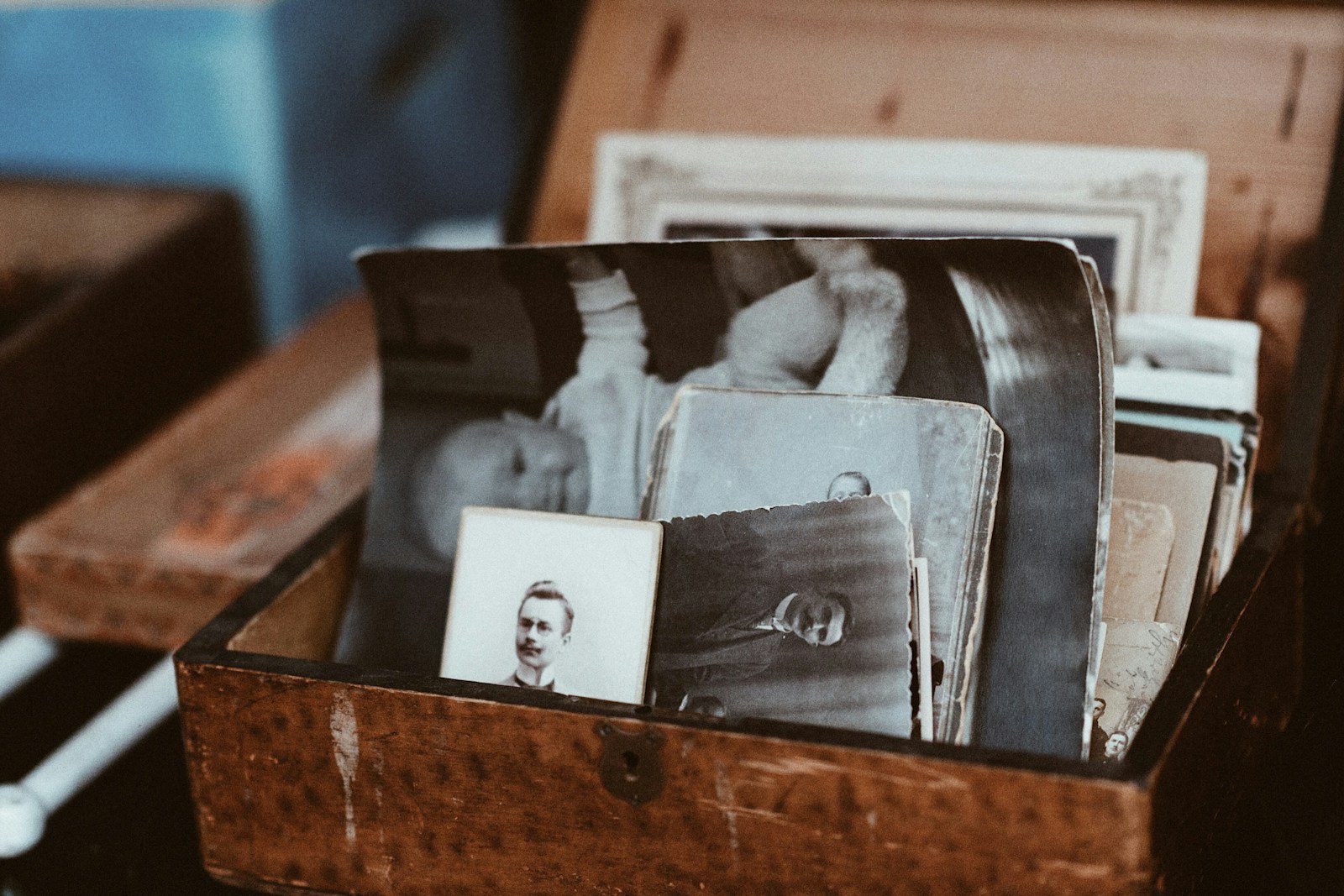
Other items are better suited to archives than to another family closet. Professional declutterers note that letters, photographs, and artifacts tied to a particular writer, owner, or event might interest a museum or library, even if they feel like clutter to descendants. For the pieces that stay, digitizing is becoming a core part of legacy planning. Preservation specialists outline how to digitize physical keepsakes so they can be shared widely, backed up in multiple places, and enjoyed without risking the originals. That might mean scanning a fragile scrapbook, photographing a set of medals, or recording a grandparent talking through the story behind a 1967 Ford Mustang that has to be sold.
Downsizing experts also remind families that they can keep the memory without keeping the object. Guidance on how to preserve memories while letting go of heirlooms includes photographing items before they are donated and writing down the stories attached to them. A nostalgic approach to decluttering suggests people start small and, tackling one box or shelf instead of the whole house at once, so emotions have room to catch up with the decisions. Over time, that slow, deliberate process turns a chaotic pile of “stuff” into a curated set of objects, images, and recordings that future generations can actually navigate. Letting go of the excess is not a betrayal of the past, it is a practical way to make sure the best parts of the story survive.
More from Decluttering Mom: