
You walk into a store expecting a quick scan-and-go, but machines are closed or limited and lines snake toward staffed registers. That sudden shift disrupts plans and adds minutes to a trip you thought would be fast. You feel the change because retailers are balancing theft, staffing and technology limits — and those choices land squarely on your time and patience.
This piece explains why stores are retreating from wide-open self-checkout, how tech and shrink concerns drive policy tweaks, and what that means for the checkout experience you face every time you shop. Follow along to see how these shifts affect convenience, speed, and the future of in-store payment.
Core Reasons Behind Self-Checkout Frustration
Shoppers report three recurring pain points: tighter rules at kiosks, heavier loss-prevention measures that feel intrusive, and persistent technical problems that slow transactions. These issues affect speed, privacy, and trust at the front end of stores.
New Restrictions and Item Limits at Major Retailers
Many chains now limit what customers can buy through self-checkout lanes. Items like alcohol, large electronics, and certain groceries require staffed checkout lanes or attendant approval. That forces people who expected a quick scan to wait in staffed lines instead.
Retailers justify limits to reduce accidental mis-scans and intentional theft. But shoppers say sudden, inconsistent rules—different stores or even different registers within one store—create confusion and extra time at the register. Stores that once advertised convenience by adding self-checkout machines now funnel specific items away from kiosks, undermining the original promise.
Security Crackdowns and Feeling Watched
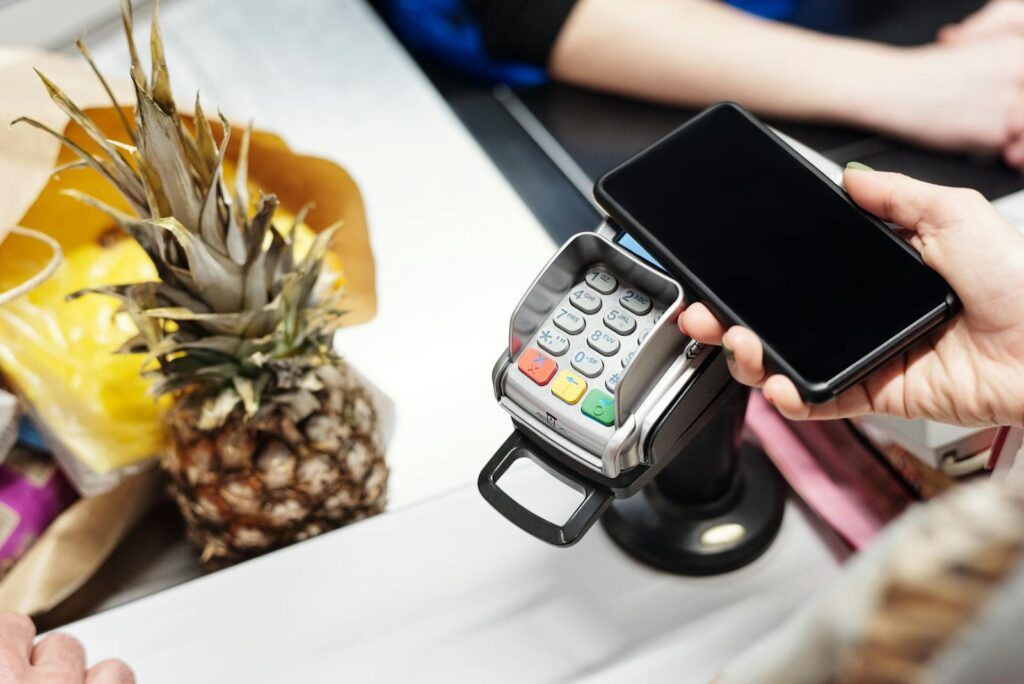
Loss-prevention teams have increased monitoring at checkout kiosks. Stores use weight sensors, camera overlays, and attendant spot-checks that trigger alarms when an item doesn’t match the scanned barcode. Shoppers describe frequent stops for re-scans or bag checks.
Those practices reduce shrink from shoplifting but raise privacy and dignity concerns. Customers who legitimately forget to scan an item or bag produce feel singled out when an attendant intervenes. The result: more tension between staff and shoppers, and less inclination to use self-checkout lanes.
Technical Glitches and Checkout Delays
Self-checkout machines often struggle with produce PLUs, bulk items, and nonstandard barcodes. Scale calibration errors and slow payment terminals commonly force attendant help. That turns a supposed time-saver into a bottleneck.
Software updates and maintenance vary by chain, so reliability differs widely. When kiosks freeze or print no receipts, shoppers must wait for staff, which undercuts the appeal of scanning and paying themselves. Frequent glitches also push some customers back to staffed checkout lanes for a predictable experience.
The Shift in Checkout Technology and Its Impact
Retailers are reworking checkout lanes to balance speed, loss prevention, and staffing. Changes include removing some self-checkouts, adding staffed lanes, and testing new tech that tracks items or moves payment to shoppers’ phones.
Scaling Back on Self-Checkout Machines Nationwide
Many chains reduced or limited self-checkout because theft and technical failures raised costs more than they saved. Stores report higher shrink rates at unattended kiosks, increased staff needed for supervision, and customer complaints when machines freeze or misread produce.
Customers notice fewer kiosks and more staffed lanes for larger orders or alerts about item limits. Some retailers now restrict self-checkout by basket size or item type to cut losses while keeping a fast option for small purchases. For examples of retailers changing policies, see reporting on Walmart’s self-checkout adjustments.
Evolving Solutions: AI, Smart Carts, and Mobile Apps
Retailers experiment with AI-assisted systems that flag scan anomalies, weight-check failures, and suspicious patterns in real time. Those tools aim to reduce manual oversight and false alerts while preserving speed.
Other options include camera-and-sensor “just walk out” models that infer items taken from shelves, smart shopping carts with built-in scanners, and apps that let customers scan as they shop and pay on their phones. Hybrid approaches combine staffed lanes with monitored kiosks and mobile checkout to match different shopper preferences. Read more on broader industry shifts at this analysis of the rise of self-checkouts and retail changes.
More from Decluttering Mom: