Winter quietly hands you an advantage that spring shoppers never see. When the soil rests and plants slip into dormancy, you gain lower prices, better selection, and a calmer schedule to plan, buy, and plant for the year ahead. If you treat the cold months as your main garden shopping season, you can stretch your budget and set up a stronger, more resilient landscape before the first warm day arrives.
Winter Shopping Turns Dormancy Into Your Secret Weapon
When temperatures drop and growth slows, most gardeners assume it is time to pack away their tools, but dormancy is exactly what makes winter such a powerful buying window. Trees, shrubs, and many perennials are not dead in the cold months, they are resting, which means you can move and plant them with far less stress on their systems. The period that horticulturists describe as Vernalization and Dormancy gives roots time to settle while top growth is paused, so you can focus on structure and placement instead of racing to keep foliage alive.
That quiet root activity is why winter planting is often framed as a long term investment in plant health rather than a gamble. When you buy woody plants and hardy perennials in the off season, you are giving them months to establish before summer heat arrives, which can translate into stronger flowering and better drought tolerance later. Guidance on the Importance of Dormancy to Plants explains that this rest phase is central to how plants reset and prepare for vigorous growth, and that understanding how fall and winter planting benefits your garden helps you time purchases for maximum payoff.
Cold Weather Planting Reduces Transplant Shock
One of the biggest risks when you buy and install new plants in peak season is transplant shock, the sudden stress that hits roots when they are moved from a pot into your soil. In warm weather, that shock is amplified by heat, active growth, and higher water demand, which is why so many spring purchases limp through their first summer. When you shift your major planting to winter, you are working with cooler air and soil, shorter days, and slower metabolism, all of which ease the transition.
Nursery experts point out that Less Transplant Shock is a core advantage of winter work, because the plant is not trying to push new leaves and flowers at the same time it is rebuilding its root system. With the top growth effectively on pause, the roots can quietly expand into the surrounding soil, which makes the plant far more resilient once growth resumes. Advice on The Benefits of Planting in the Winter notes that Transplant shock is less likely to occur in these conditions, so your winter purchases have a better chance of thriving without constant rescue watering and shading.
Perennials, Trees, and Shrubs Are Often Cheaper After Peak Season
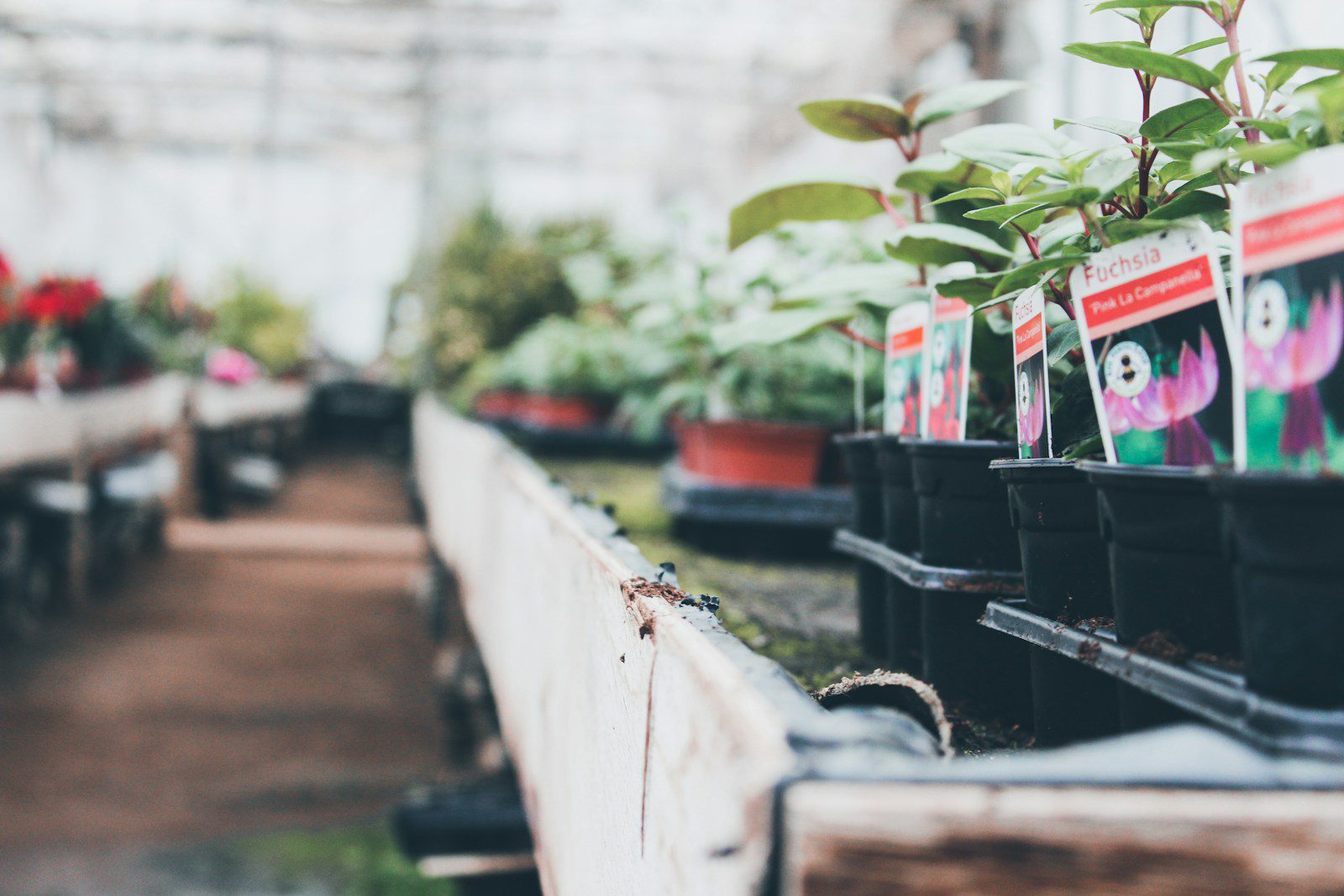
From a budget perspective, winter is when retailers are most motivated to move bulky, long lived plants that did not sell in spring and summer. Garden centers have to clear space and reduce inventory before the next cycle of deliveries, and that pressure often shows up as deep discounts on perennials, trees, and shrubs. If you are willing to look past a few browned leaves or a bare branch, you can pick up high quality plants at a fraction of their peak season price.
Extension specialists encourage you to Snap up perennials in the shoulder seasons because They come back year after year with proper care and can grow large and lush with minimal extra work. The same guidance urges you to be a savvy shopper for trees and shrubs, noting that once these plants are in the ground and watered in, the cooler months are a great time for planting and establishment. When you combine that horticultural reality with the fact that garden centers slash prices to move stock, the advice to be a savvy shopper for trees and shrubs in late fall and winter becomes a clear strategy for stretching your garden budget.
Premium Garden Furniture And Hardscaping Are Winter Bargains
Major garden shopping is not just about plants, it also includes the furniture, containers, and structures that shape how you use your outdoor space. Retailers that specialize in high end benches, dining sets, and loungers tend to see demand spike in spring and summer, which is when prices are firm and stock can sell out. In the colder months, the dynamic flips, and you gain leverage as a buyer because warehouses are full and foot traffic is low.
Specialists in outdoor living note that winter offers the best value for money on Premium garden furniture, with Access Better Value and Exclusive Offers highlighted as a key reason to order early. When you buy in the off season, you are more likely to find the exact finish and configuration you want, and you can schedule delivery and assembly before your patio is in daily use. One retailer explains that ordering in winter cuts down on lead times and lets you secure pieces that are built to withstand all seasons, which is why they argue that winter is the smartest period to buy premium garden furniture if you want both choice and savings.
Seeds, Bulbs, And Supplies Are Easier To Source Before Spring Rush
While plants and furniture are big ticket items, the smaller pieces of your garden plan, from seed packets to drip fittings, are just as time sensitive. If you wait until the first warm weekend to shop, you are competing with every other gardener in your area for the same limited stock, which is how you end up with substitute varieties or missing components. Winter gives you a quieter window to map out what you need and order it before the rush empties the shelves.
Guidance on When Is the Best Time to Buy Gardening Supplies stresses that the ideal moment depends on the item, but it consistently points to the benefits of shopping ahead of the main season. Experts recommend that you order seeds and supplies during the off season so you are ready when it is time to plant, instead of scrambling for last minute alternatives. By using the colder months to order seeds and supplies, you can secure the exact cultivars and tools you want and avoid the frustration of sold out favorites.
Winter Is Prime Time For Planning Next Year’s Garden
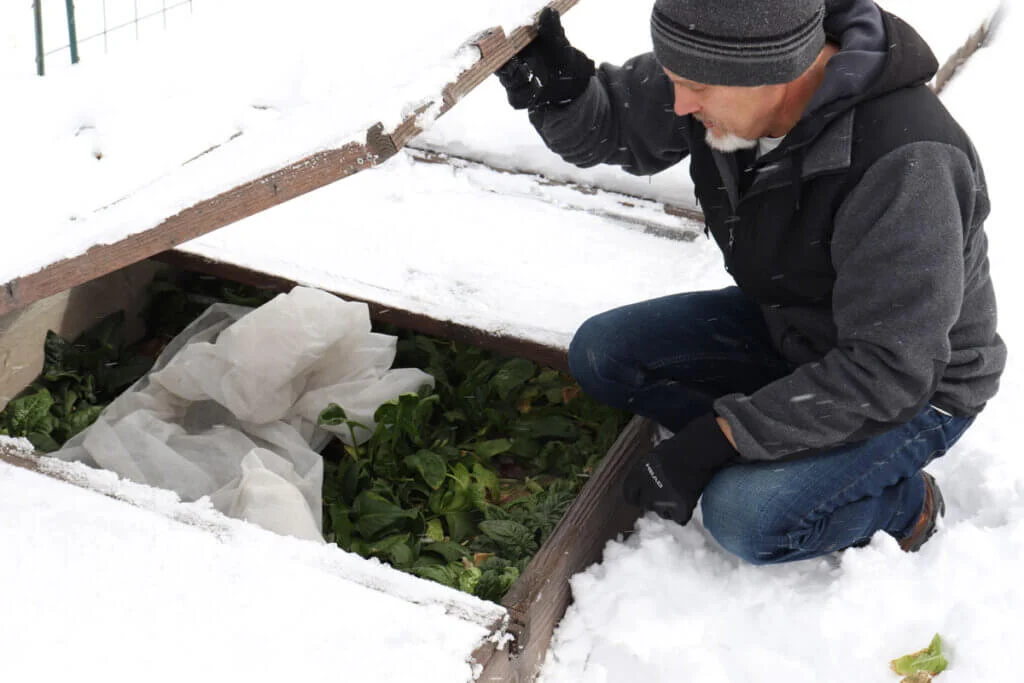
Good garden shopping starts with a clear plan, and winter is when you finally have the mental space to create one. With growth slowed and beds mostly bare, you can see the bones of your landscape, identify gaps, and decide where new plants, paths, or seating should go. That clarity makes your purchases more strategic, because you are buying for specific roles and locations instead of reacting to whatever looks pretty on a spring display table.
Landscape professionals frame the cold months as the best time to Reflect and Write about what worked and what failed in the previous season. They suggest that you Sit down with photos and notes so You can map out crop rotations, color schemes, and maintenance schedules before you spend a dollar. One off season planning guide even points out that many garden retailers clearance out inventory and offer significant discounts on tools and decor while demand is low, which is why it argues that many garden retailers clearance out stock during the winter months, giving your carefully drafted list extra buying power.
Timing Purchases Around Planting Windows Maximizes Success
Even in winter, timing still matters, because different categories of garden goods have their own ideal purchase windows. Tools, containers, and soil amendments can be bought almost any time, but seeds, bulbs, and live plants need to line up with your local planting calendar. If you treat winter as a planning and pre ordering phase, you can match each purchase to the moment when it will perform best in your climate.
Consumer guides on When Is the Best Time to Buy Gardening Supplies explain that the sweet spot for many items is just before you intend to use them, so they are fresh and ready to go. That means you might buy potting mix and irrigation parts in midwinter, then schedule delivery of tender annuals closer to your last frost date. The same experts note that the best time to buy seeds and bulbs is generally just before planting, and that for some bulbs this may be midsummer, which is why they emphasize that the best time to buy gardening supplies depends on the specific product rather than a single universal date.
Winter Orders Help You Beat Seed And Bulb Shortages
In recent years, spikes in home gardening have made seed and bulb shortages a recurring frustration, especially for popular heirloom varieties and specialty flower mixes. If you wait until spring catalogs are picked over, you may find that your preferred cultivars are back ordered or unavailable for the entire season. By contrast, placing your orders in winter gives you first access to new releases and limited stock before demand peaks.
Detailed advice on The Best Time to Buy Seeds and Bulbs underscores that in general it is best to buy seeds and bulbs just before planting, but it also notes that for certain bulbs this may be midsummer, long before most gardeners are thinking about fall displays. That nuance is a reminder that you should check each crop’s schedule and work backward from your planting date, using winter as the moment to research, compare, and reserve what you need. When you follow that guidance and buy seeds and bulbs on their own ideal timeline, you are far less likely to be caught without key varieties when the soil is finally ready.
The Off Season Lets You Invest In Soil, Tools, And Long Term Health
Beyond plants and decor, winter is the moment to invest in the unglamorous pieces that quietly determine how well your garden performs. Soil amendments, compost systems, irrigation upgrades, and quality tools rarely sell out in the same dramatic way as trendy plants, but they are often cheaper and easier to source when demand is low. If you direct a portion of your winter budget toward these fundamentals, you set up every future purchase to succeed.
Off season checklists emphasize that During the colder months there is plenty you can do to improve your garden’s health, from testing soil and adding organic matter to repairing beds and edging. They also highlight that ordering practical items like hoses, timers, and storage solutions now means you are not stuck improvising with whatever is left on the shelf in late spring. By using winter to prepare your garden’s infrastructure before planting time, you turn the quiet season into a launchpad for healthier plants, smoother maintenance, and smarter spending all year.
More from Decluttering Mom: