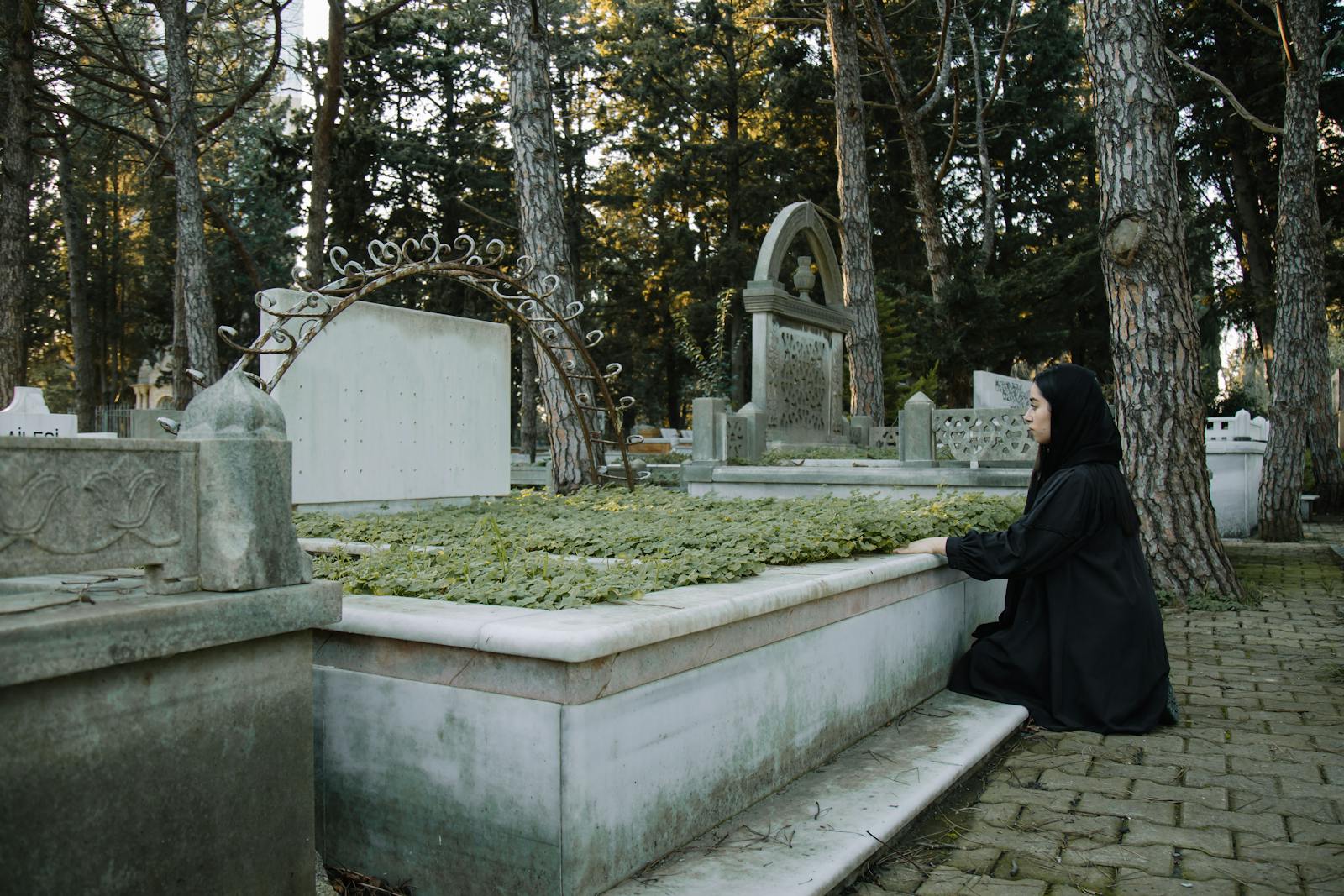
In a quiet corner of a Syracuse cemetery, a grieving widow spent night after night sleeping beside her husband’s grave, convinced it was the only place she still belonged. Her story might have ended there if not for a patrol officer who chose compassion over a quick call to move her along. What followed was a small, very human chain reaction that pulled her from the cold and gave her a real shot at starting over.
The journey from that graveside to a warm apartment was not simple or neat, and it did not happen overnight. It grew out of loss, pride, and stubborn love, and then out of one officer’s decision to see a person instead of a problem. Along the way, a city in New York quietly rallied around a woman many of its residents never even knew was there.
The woman who would not leave her husband’s side
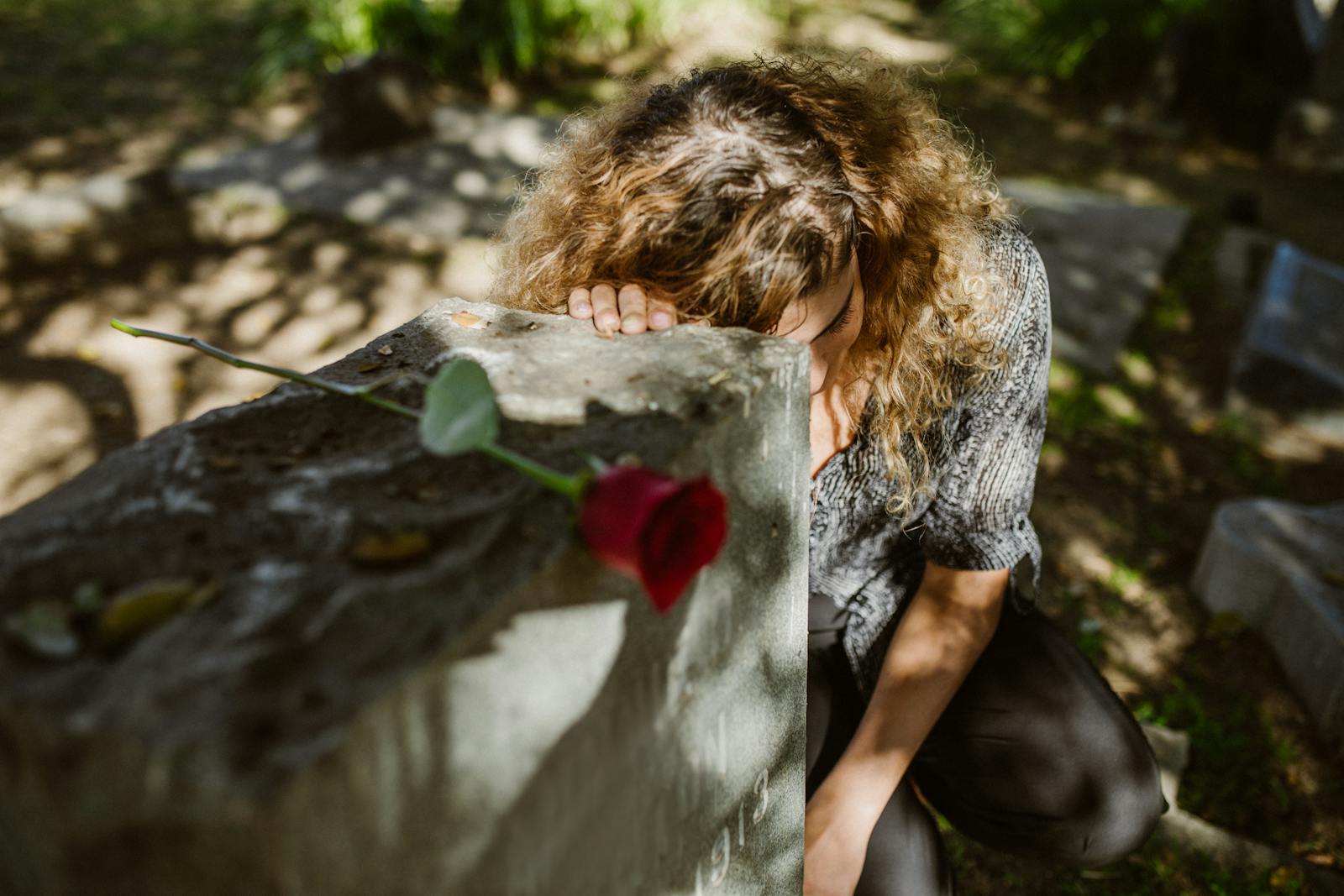
For months, visitors walking through Oakwood Cemetery in Syracuse passed a figure that seemed to blend into the landscape, a woman wrapped in layers, keeping watch near a single grave. That woman was Rhea Holmes, a widow who had lost her husband, Eddie Holmes, and who decided that if she could not share a home with him anymore, she would share the ground where he was buried instead. The story of how Rhea Holmes came to live in that cemetery started years earlier with Eddie’s death, but it only came into public view when someone finally realized she was not just visiting, she was living there.
Rhea’s grief did not stay neatly contained to anniversaries and holidays, it seeped into every part of her life. After Eddie Holmes died, she slipped into a depression that made holding on to work and routine almost impossible. Over time she lost her job, then her housing, and with nowhere else she felt she could go, she chose the one place that still felt like family, the plot where Eddie was buried. By the time anyone raised an alarm about her presence, she had already spent months sleeping at her husband’s grave, quietly existing among the headstones while the rest of Syracuse carried on around her.
From loss to living among the dead
The path that led Rhea from a shared home with Eddie to a sleeping bag in Oakwood Cemetery was not a single bad decision, it was a slow unraveling. After the loss of her husband, she was left with little money and even less sense of purpose, and the weight of that grief pushed her into a depression that made it hard to keep up with basic responsibilities. As her mental health faltered, she lost her job and then faced eviction, a sequence she later described as feeling like the floor dropping out from under her, one board at a time, until there was nothing left to stand on. According to one account, Rhea slipped into, lost her job, and got evicted, leaving her with no stable place to land.
What she did have was a fierce sense of pride and a deep reluctance to ask for help. Rhea was too proud to move into a shelter, even when that might have been the safer option, and she did not want to be seen as a burden or a statistic. So she made a choice that felt both desperate and strangely logical to her, she took up residence at the cemetery where Eddie was buried, trading a roof for proximity to the person she missed most. As one video summary put it, So Rhea took up residence among the dead, convinced that living in the past was better than facing a future she could not imagine without Eddie.
A quiet crisis in Syracuse, New York
Rhea’s story unfolded in Syracuse, New York, a city that has seen its share of economic strain and housing instability, and where people can slip through the cracks without anyone noticing for a long time. She had lived in Syracuse for years, long enough to know its streets and seasons, but when she became homeless, the city around her seemed to look right past her. One social media post that later went viral described how she had lived in Syracuse and was simply trying to get where she needed to go when an officer crossed her path, a reminder that even in a mid-sized city like Syracuse, New York, it is easy for someone in crisis to become invisible.
What makes her situation stand out is not just the heartbreak of a widow sleeping at her husband’s grave, but how long it went on before anyone intervened. A later retelling noted that she had been secretly sleeping at that grave in a Syracuse cemetery for months, blending into the background of a place most people visit only briefly. The fact that a woman could be living outdoors in a cemetery for that long, in a city like Syracuse, underscores how homelessness can hide in plain sight when it does not fit the usual images people expect.
The call that brought Officer Jamie Pastorello to the cemetery
Rhea’s turning point started with a simple call for service, not a grand plan to change a life. Staff at Oakwood Cemetery had noticed a woman who seemed to be there far more often than any visitor, and eventually someone contacted police to check on her. That call landed with Syracuse Police Officer Jamie Pastorello, who responded to the report and drove out to see what was going on. According to one detailed account, Syracuse Police Officer became the one who took Holmes under his wing after that first encounter.
When he arrived, Pastorello did not just see a trespasser, he saw a grief-filled woman who had built a fragile life around a headstone. The officer later described his reaction in simple terms, saying it felt like just the right thing to do to help her rather than simply move her along. Instead of writing a ticket or issuing a warning, he started asking questions, trying to understand why she was there and what she needed. That decision to listen, rather than lecture, set the stage for everything that followed, turning a routine welfare check into the first step of a very different kind of police response.
The ride that revealed a heartbreaking secret
The moment that truly shifted the story came not at the cemetery but in the front seat of a patrol car. At one point, an officer offered a widow a ride to the cemetery, thinking he was simply helping her get to a place she wanted to visit. During that ride, he discovered where she had been sleeping for months, realizing that the destination she kept asking for was not just a place of mourning but her makeshift home. One widely shared post summed it up bluntly, an Officer Offered a widow a ride to the cemetery, then discovered where she had been sleeping for months.
That realization reframed everything. It was one thing to think of a woman visiting her husband’s grave often, quite another to understand that she was bedding down there night after night, through cold snaps and storms. Another version of the story noted that she had lived in Syracuse and was just trying to get where she needed to go, and that the officer only grasped the full picture when he saw her settle in among the graves. As that post put it, the officer offered a Ride to the cemetery, then discovered where she had been sleeping for months, a detail that turned a simple favor into a call to action.
Choosing compassion over a quick fix
Once Officer Jamie Pastorello understood that Rhea was effectively living at her husband’s grave, he faced a choice that many officers encounter in quieter ways every day. He could have treated it as a trespassing issue, cleared her out, and moved on to the next call, or he could lean into the harder, slower work of actually helping her find a way off the grass and into a real bed. He chose the second path. Accounts of their interaction describe him as an “angel” who took Holmes under his wing, a label that might make him uncomfortable but that reflects how his actions looked from the outside. One detailed report notes that Holmes’ presence at the cemetery prompted contact with police, but what happened next went far beyond a standard response.
Instead of simply telling her she could not stay, Pastorello started working through what it would take to get her somewhere safe. That meant acknowledging the emotional pull that kept her at Eddie’s grave while also making it clear that sleeping outdoors in a cemetery was not sustainable. He did not try to erase her grief or rush her through it, he tried to give her a chance to process it somewhere that did not involve frostbite. In one video segment, the narrator notes that she was living among the dead until help arrived, and that after the loss of her husband, she spent months sleeping at his grave before a police officer helped her find a new home and a new beginning, a description that captures how his compassion shifted the trajectory of her life.
From graveside to a front door and a fresh start
The practical work of getting Rhea off the cemetery grounds and into housing was not glamorous, but it was life changing. With help from Officer Pastorello and others, she was connected to resources that could offer more than a temporary cot, and eventually she moved into a place she could call her own. One broadcast segment framed it simply, saying that after the loss of her husband, living among the until help arrived, and that the officer helped her find a new home and a new beginning. That “new beginning” was not some fairy-tale mansion, it was a stable, warm space where she could sleep without a headstone at her feet.
Moving into that home did not erase the pain of losing Eddie, but it did give Rhea a chance to rebuild a daily life that was not anchored to a cemetery plot. Another account of the story notes that she had been evicted and secretly sleeping at her husband’s grave in a Syracuse cemetery for months before Syracuse Police stepped in to help her find a home. A video recap of the case, titled simply as an officer helping a homeless woman find a home, highlights how Syracuse Police worked with her to secure housing, turning what could have been a one-off act of kindness into a concrete, long term change in her circumstances.
More from Decluttering Mom: