You’ve scrubbed, sprayed, and polished only to step back and see streaks staring back. Most streaks come from common habits—cleaning in direct sunlight, using dirty or linty cloths, and relying on hard tap water—so changing a few simple steps will get your windows truly streak-free.
This post breaks down which everyday mistakes sabotage your efforts and shows practical fixes you can use right away. Expect easy-to-follow tips on tools, timing, and homemade solutions that actually work for cleaning windows without wasting time.
Common Habits and Mistakes That Cause Streaks
Most streak problems come from the tools you choose, the conditions you clean in, and shortcuts you take before and during cleaning. Small changes—like switching cloths, using a squeegee, or rinsing heavy grime—remove the usual causes of streaks.
Using the Wrong Tools and Materials
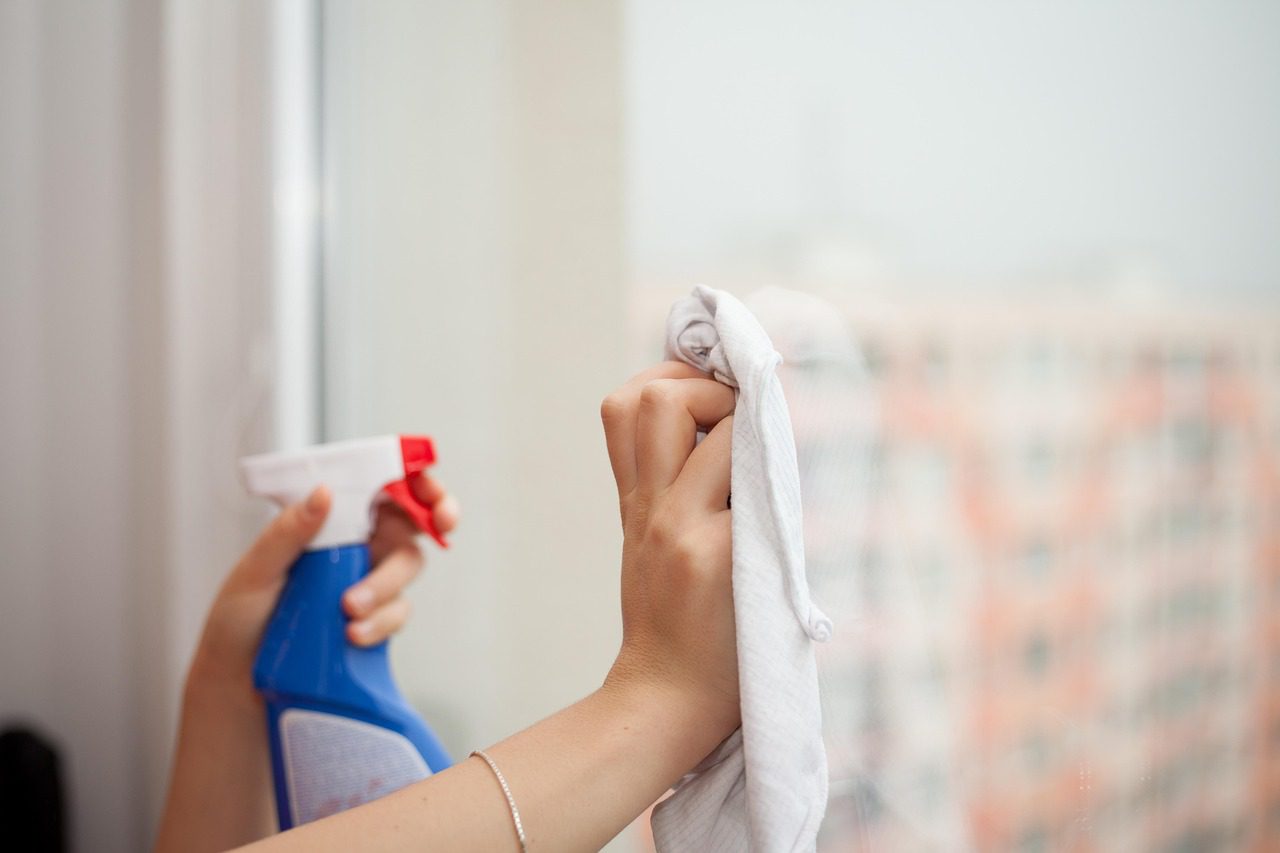
Using paper towels, old cotton rags, or abrasive sponges leaves lint, fibers, and micro-scratches that trap dirt and show as streaks. Microfiber cloths are designed to lift and hold dirt; use clean, dry microfiber for the final polish and a damp microfiber to remove grime. Avoid household tissues and lint-prone fabrics entirely.
Select a squeegee sized to your pane and keep the rubber blade clean and straight. A worn or nicked blade makes bands and trails. If you prefer wipes, choose a lint-free option formulated for glass or a professional window cleaner product that rinses cleanly. Replace or wash cloths between windows so you don’t redeposit soil.
Cleaning Windows in Direct Sunlight
When the glass is hot or in direct sunlight, cleaning solution evaporates too fast and dries before you can remove it. That rapid drying leaves residue and water spots that look like streaks once dry. Work in the morning or late afternoon, or choose a shaded side.
If you must clean in sun, use a squeegee to remove liquid immediately in smooth, overlapping strokes. Keep a microfiber cloth handy to wipe edges and drip lines. Professionals often time jobs to avoid peak sun for a reason: temperature control matters for streak-free windows.
Skipping Pre-Cleaning Steps
Skipping dusting, cobweb removal, or a rinse lets grit and grime stay on the glass. That grit smears when you wipe, embedding particles into the cloth and reapplying them to the surface. Always brush loose dirt and rinse heavily soiled windows before you apply cleaner.
For exterior panes with sap, bird droppings, or salt build-up, spray and let a cleaner sit briefly, then agitate with a soft-bristled brush before squeegeeing. Inside, vacuum frames and sills to stop dirt falling onto wet glass. Taking these small prep steps saves time and prevents streaks.
Overusing or Misusing Cleaning Solution
Too much cleaner creates a soapy film; too little won’t dissolve grime. Concentrated sprays can be sticky if not fully removed. Use a measured amount—enough to wet the glass but not to puddle—and work section by section so you can remove it before it starts to dry.
Avoid tap water when you mix your own solution if your area has hard water; minerals leave cloudy deposits. Use distilled water or a commercial glass cleaner formulated to rinse clean. If you prefer a DIY mix, add a small amount of rubbing alcohol to speed drying and reduce streaking.
Pro Tips for a Truly Streak-Free Finish
Focus on the right cleaner, the correct tools and methods, and routine care for screens and frames. Use a squeegee and microfiber cloths in the right sequence, pick or mix a cleaning solution that suits your water, and call a pro for large or high windows.
Choosing the Right Window Cleaning Solution
Pick a formula that dissolves grime without leaving residue. For most glass, a mix of 2 cups distilled water, 1/2 cup white vinegar, 1/4 cup rubbing alcohol (70%), and 1–2 drops of a grease-cutting dish soap works well as a DIY glass cleaner. Use distilled water if you have hard water to avoid mineral spots.
Spray generously so dirt lifts from the glass; skimping causes streaks. For very greasy or exterior windows, use a commercial glass cleaner labeled for outdoor use or one recommended by a professional window cleaning guide. Avoid harsh ammonia blends on tinted windows.
Test any new solution on a small corner first. If residue or haze appears, reduce soap or switch to higher-ratio vinegar mixes. Label homemade glass cleaner and store it away from kids and pets.
Using a Squeegee and Microfiber Cloths Effectively
Start by removing loose dust from frames and sills to prevent grit from scratching glass. Spray the cleaner across the pane and work top to bottom.
Use a squeegee in overlapping vertical strokes for large panes. Hold the squeegee at a slight angle and wipe the blade with a lint-free microfiber cloth after each pass to prevent redepositing grime. For small panes or detailed edges, wipe with a microfiber cloth in a consistent pattern: one side horizontal, the other vertical, so you can tell which side streaks originate from.
Finish by buffing edges and corners with a dry microfiber cloth. Replace cloths when they get greasy; wash them without fabric softener. If you use paper towels, choose a strong, lint-resistant brand to avoid lint and shredding.
Caring for Window Screens and Frames
Remove screens when practical and vacuum both sides with a soft brush attachment first. For a deeper clean, soak screens in warm, sudsy water (mild dish soap), rinse with a hose, and let them air dry fully before reinstalling.
Clean tracks and frames with a small brush and a mix of water and mild detergent. Dry tracks thoroughly and remove debris from weep holes so water drains properly. For painted or wood frames, avoid abrasive scrubbing that can remove finish; use a soft cloth and gentle cleaner.
Inspect rubber seals and caulking annually. Replace or reseal gaps to prevent water intrusion that causes streaky deposits on interior glass and frame staining.
DIY Versus Professional Help
DIY solutions work well for most interior and reachable exterior windows. Use a homemade glass cleaner for regular maintenance and a squeegee plus microfiber routine for best results.
Hire a professional window cleaner for high, hard-to-reach, or multi-story windows, and for heavy mineral deposits or paint overspray. Professionals use extension poles, water-fed brushes, and deionized water systems that reduce streaking on large jobs. Ask for references and confirm they carry liability insurance before booking.