
The story sounds like something out of a grim thriller: an 11-year-old girl already dead, a Zoom call where someone else pretends to be her, and a child protection system that accepts the performance. At the center is a woman who has now admitted in court that she posed as the child on camera while social workers believed they were checking on the girl’s safety. By the time authorities uncovered what really happened, the child’s body had been found, and a murder case was already taking shape around her mother and relatives.
What has emerged in hearings is not just a single bad decision but a chain of choices, lies, and missed chances that let an abused child vanish in plain sight. The testimony from the woman who played the girl, the officials who logged into the call, and the investigators who later found the body is now forcing hard questions about how digital check-ins are used to monitor at-risk kids.
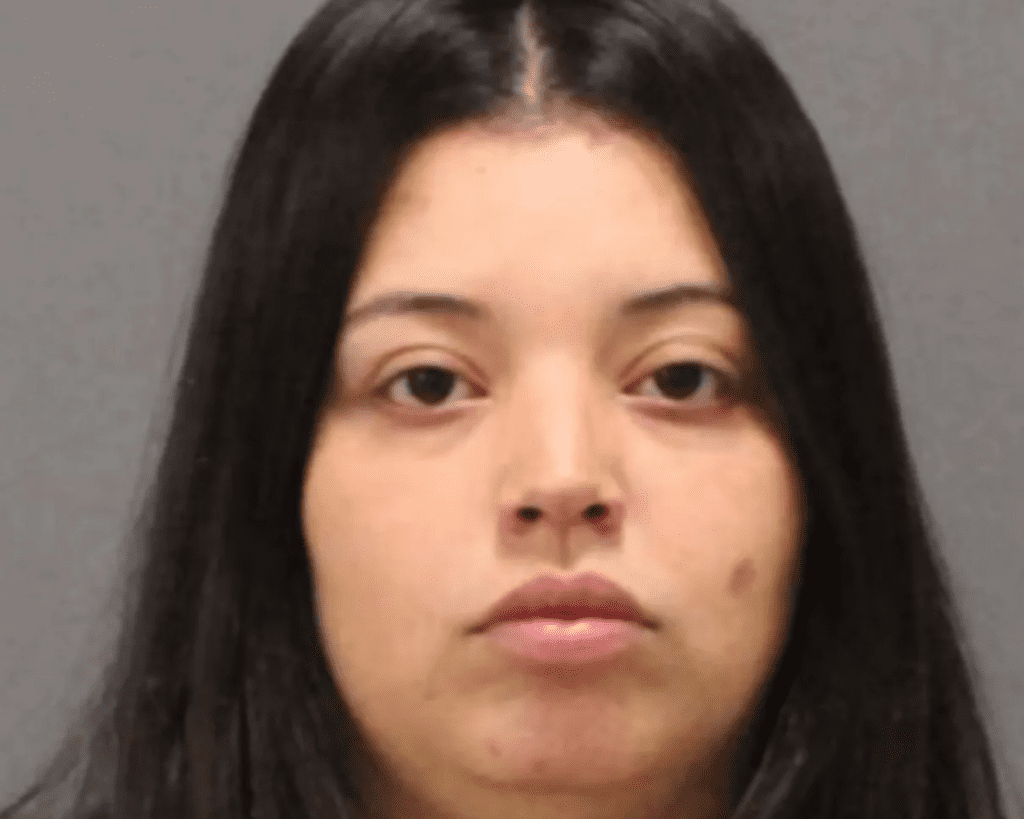
The courtroom confession that stunned observers
In a Connecticut courtroom, a woman named Jacklyn Goulet calmly told a judge that she pretended to be an 11-year-old girl during a Zoom meeting with child welfare workers. She described logging into the video call, sitting where the camera could only see part of her, and answering questions as if she were the child. According to her testimony, she did this at the request of the girl’s mother, Karla Garcia, who was under scrutiny from the state’s Department of Children and Families, often referred to as DCF.
Goulet has said she believed the girl was alive at the time and claimed she thought she was helping a friend navigate a tense check-in with social services. In court, she recounted how the camera angle was kept tight, how she tried to sound younger, and how the call ended without anyone on the other side realizing they were not speaking to a child at all. Her account has been echoed in separate reporting that describes a DCF worker logging into a virtual meeting and unknowingly interacting with a woman posing as the girl whose welfare they were supposed to be verifying.
A child already dead, a body later discovered
The most chilling detail is that by the time that Zoom call took place, the 11-year-old was already dead, according to investigators. The girl, known as Mimi in multiple reports, was later found with her body stuffed into a suitcase, a discovery that turned what had been a child welfare case into a full-blown homicide investigation. Authorities have said that the child’s death was uncovered only after the deception around the virtual visit began to unravel and police started piecing together a timeline of when Mimi was last seen alive.
Reporting on the case notes that the girl’s mother, Karla Garcia, now faces murder charges in connection with Mimi’s death, along with charges against at least one aunt. Separate coverage of the probable cause proceedings explains that defendants in such murder cases are entitled to hearings that lay out the state’s evidence, and it is in that setting that the full horror of Mimi’s final months has started to come into focus.
How the Zoom ruse allegedly came together
According to testimony and investigative summaries, the plan to fake the welfare check was not improvised on the fly. Goulet has said that Karla Garcia asked her directly to impersonate Mimi, framing it as a way to get DCF “off her back.” In her telling, Garcia was worried that if caseworkers saw the real conditions in the home, or realized Mimi was missing, the state would remove other children. Goulet agreed to help, she said, and joined the virtual meeting from a location arranged by Garcia so that the background would look like a child’s living space.
One detailed account of the hearing describes how a DCF employee logged into the Zoom session and saw what appeared to be a young girl on screen, answering basic questions and appearing physically unharmed. Another report notes that the worker later testified about the call at a probable cause hearing, explaining that nothing in the moment raised red flags strong enough to trigger an in-person visit. That gap between what the camera showed and what was actually happening in Mimi’s life is now at the heart of the public outrage around the case.
The mother, the charges, and the widening circle of blame
While Goulet’s confession has grabbed headlines, the legal spotlight is squarely on Mimi’s mother. Prosecutors have charged Karla Garcia with murder, accusing her of causing Mimi’s death and then working with relatives to hide the body and mislead authorities. Coverage of the case notes that Garcia and an aunt were both charged, with one report specifying that Garcia and an aunt were held on bonds set at $3 million and $1.5 million respectively, and that a third relative, identified as Nanita, also faces charges tied to the alleged cover-up.
In addition to the homicide counts, Garcia and her relatives are accused of tampering with evidence and interfering with the work of child protection officials. One summary of the case explains that Garcia and an aunt were charged after investigators concluded that Mimi had been dead for a significant period before the state realized she was missing, and that the family had used a combination of lies, a substitute child, and the Zoom impersonation to keep DCF from discovering the truth. The probable cause hearing, which one report notes was scheduled to resume on a Thursday, is expected to give the defense a broad look at the state’s evidence before the case moves toward trial.
Inside the DCF worker’s testimony
The DCF employee who unknowingly met with Goulet has become a key witness. In court, that worker described logging into the virtual meeting, seeing what appeared to be an 11-year-old girl, and conducting what was supposed to be a routine check on the child’s welfare. According to a detailed account of the hearing, the worker explained that the agency had been monitoring the family and that the video call was part of a series of contacts meant to ensure Mimi was safe. The worker’s testimony has been used to show how convincingly the ruse was carried out and how easily a remote visit can be manipulated.
One report on the hearing notes that defendants in murder cases are entitled to such testimony so their lawyers can probe the strength of the state’s case. In this instance, the DCF worker’s account has also become a public lesson in the limits of remote oversight. The worker acknowledged that the agency relied heavily on what could be seen and heard through a laptop screen, and that no one physically laid eyes on Mimi for a significant stretch of time before her death was uncovered.
More from Decluttering Mom: