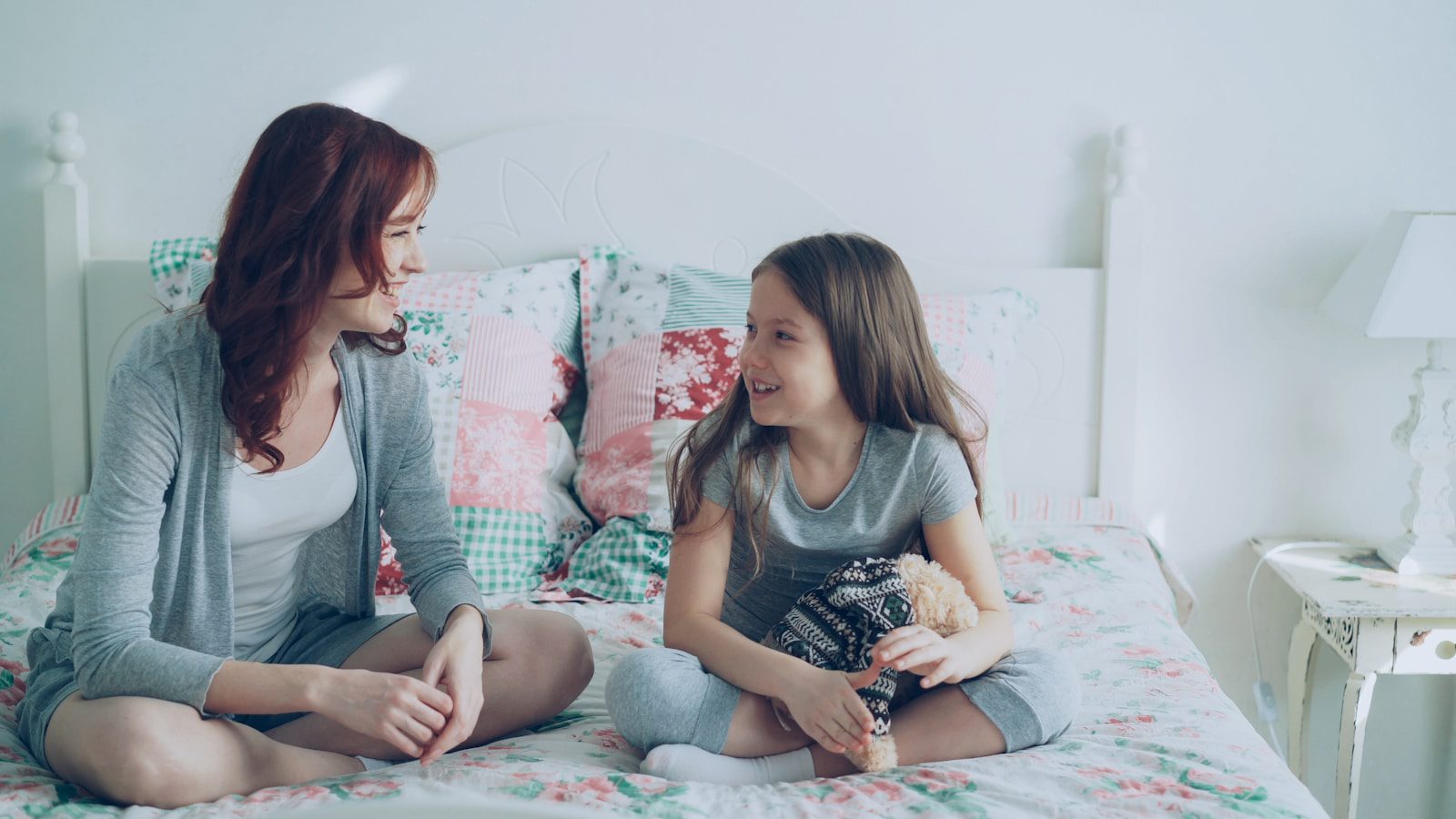
You saw a woman ask a blunt question about which beauty standard should die, and mothers across the internet replied with practical changes they’re making at home. They name the expectations they refuse to pass on and share small, concrete shifts you can notice and adopt in the way children are raised.
The most useful takeaway: focus on teaching self-respect, critical media thinking, and skills unrelated to appearance so girls grow confident in who they are rather than how they look. Mothers describe setting limits on media, praising effort over looks, and modeling body-neutral language you can try with your own family.
You’ll read stories of viral conversations that sparked honest critiques of harmful norms, specific ways moms raise daughters to resist pressure, and simple, repeatable actions that help change the narrative for the next generation.
The Viral Question: Dismantling Harmful Beauty Standards
Mothers, daughters, and strangers reacted to a single provocative prompt that exposed which beauty norms cause real harm. The answers show concrete behaviors parents are rejecting and the specific ideals they want gone.
What Inspired the Viral Conversation
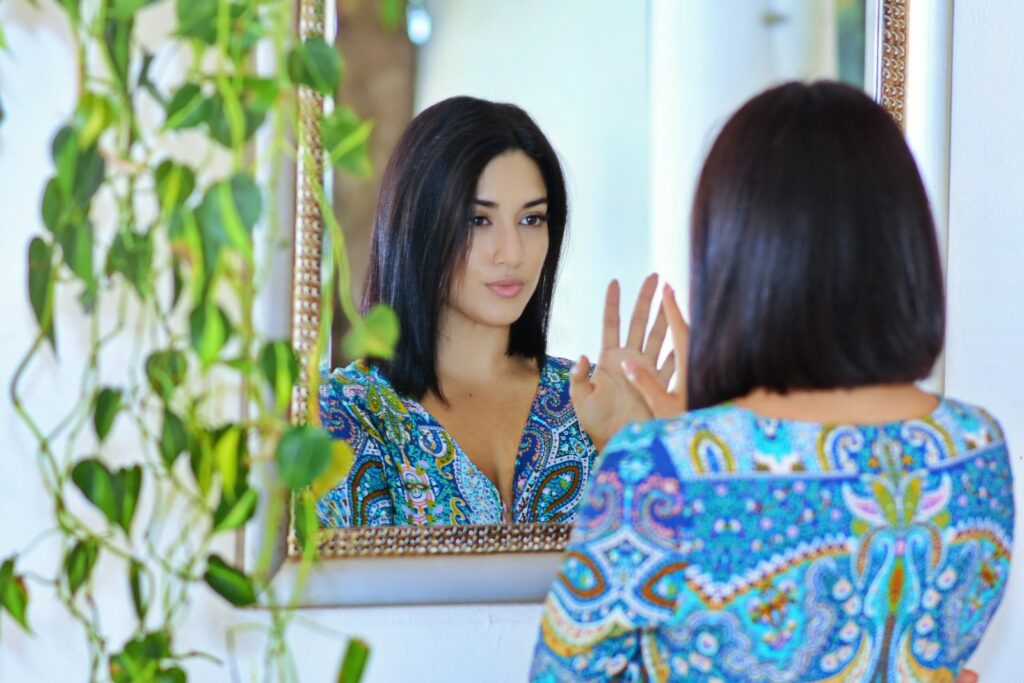
A woman asked on social media, “What beauty standard do you secretly hope dies?” and the thread exploded with replies from moms who said they altered parenting choices because of it. Many credited personal experience — relentless dieting in their teens, pressure to dye gray hair early, or being shamed for body hair — as the reasons they stopped passing on those ideals.
Influencers and news coverage amplified the thread, drawing attention from women in different age groups and cultures. That visibility turned private grievances into a collective list of targets for change, giving parents language to explain why they set new rules for their daughters.
Popular Beauty Standards Moms Reject
Mothers repeatedly named a small set of recurring standards they are actively pushing back against:
- Extreme thinness as the ideal body type.
- Hair removal as mandatory for women, especially leg and underarm hair.
- Constant youthfulness: shame around gray hair or lines.
- Heavy makeup as required for professionalism or attractiveness.
Many moms now emphasize health metrics like strength and stamina over weight, encourage natural hair acceptance, and critique media that ties worth to flawless skin. They also refuse to praise dieting or cosmetic procedures as rites of passage, instead modeling balanced eating and informed choices.
Real Stories About Outdated Ideals
One mother described forbidding calorie-counting apps at home after her daughter nearly developed an eating disorder in middle school. Another recounted teaching her teen to let leg hair grow through a summer experiment; the family documented reactions and used them as teaching moments about social policing.
A third mom shared that she stopped gifting makeup for birthdays, replacing palettes with sports gear and books on body science. These concrete acts—rules about apps, experiments with appearance, and choice of gifts—signal a shift from abstract protest to daily practices that shape daughters’ self-image.
Moms Share: Raising Daughters to Defy Pressure
Mothers describe concrete habits they use daily to build resilience, critical thinking, and pride in individuality. They name specific phrases, routines, and media choices that have changed how their daughters view beauty and self-worth.
Encouraging Self-Acceptance
Moms say they start with language. They avoid comments about weight or “fixing” looks and instead praise effort, curiosity, and kindness: “You worked hard on that project,” or “I’m proud of how you treated your friend.”
They also model self-acceptance aloud, sharing realistic reflections on their own bodies and aging so daughters hear normal, nonjudgmental talk. Small rituals help: one mother reads gratitude lists at dinner that include body-function items (strong legs, clear skin), which shifts focus from appearance to capability.
Many use specific tools such as mirror-affirmation cards taped to the bathroom mirror and weekly “confidence check-ins” where daughters name one thing they like about themselves that isn’t about looks. These practices build a language of worth tied to actions and values, not measurements.
Teaching Girls Media Literacy
Parents set rules and teach skills rather than just banning devices. They show daughters how to spot editing, filters, and targeted ads by comparing a filtered post with the original image side-by-side. Families maintain an “ad audit” game: when watching shows or scrolling, girls call out manipulative messaging and marketers’ aims.
Mothers recommend following diverse creators and reading creator bios to learn who edits images and why. They schedule weekly conversations after social-media use to unpack feelings and separate opinion from fact. Some keep a running list of recurring beauty myths (e.g., “clear skin equals health”) and research a credible source together to debunk each claim.
Celebrating Individuality at Home
Households create visible reminders that diversity matters: rotating artwork of different body types, hair textures, and ages, and a clothing swap box celebrating each child’s unique style. One mother holds a monthly “style showcase” where daughters explain outfit choices and what those choices say about them.
Parents also assign household roles that emphasize competence over appearance—fixing a bike, cooking a meal, managing a budget—to show value in skill. They encourage hobbies outside beauty norms, from coding clubs to carpentry. Rewards and praise reflect achievement and courage rather than compliments about attractiveness, reinforcing that identity rests on actions and interests.
Changing the Narrative for the Next Generation
Parents and educators can reshape daily environments so girls see diverse bodies, skills, and leadership modeled as normal. Practical steps include redesigning feeds, school lessons, and family routines to reduce appearance-focused pressure.
Creating Safer Social Media Spaces
Moms and caregivers should set concrete digital rules: limit platforms to age-appropriate apps, set daily time caps, and use privacy settings that remove public comments. They can follow and boost accounts that show real-life bodies, careers, and hobbies rather than heavily retouched content.
Teach girls to use platform tools—mute, block, report—and to curate feeds actively by unfollowing accounts that trigger comparison. Encourage posting practices that value process over polish: behind-the-scenes photos, unedited shots, and captioning achievements unrelated to looks.
Advocate for platform accountability by joining parent groups that petition for stronger youth protections, clearer ad labeling, and research transparency. Small changes at home plus civic pressure on platforms make feeds less harmful and more reflective of real life.
Promoting Body Positivity in Schools
Schools can integrate body-positive lessons into health, PE, and literature classes with specific curriculum changes. Include units on media literacy that dissect photo editing, advertising intent, and representation statistics.
Train teachers to respond to body talk in the moment: use neutral language, redirect conversations to strengths, and normalize variation in size, skin, and ability. Replace weigh-ins with fitness-based goals and offer mixed-ability PE options that emphasize skill, fun, and teamwork.
Bring community resources into classrooms—dietitians who focus on nourishment, counselors skilled in self-image, and guest speakers from diverse backgrounds. Parent-teacher collaboration on consistent messages reinforces what students learn during the school day.
More from Decluttering Mom: