By every medical prediction, Alex Simpson was never supposed to blow out 20 candles. Born in Omaha, Nebraska, with almost no brain tissue, she was expected to survive only a few years, if that, and to remain on the margins of family life. Instead, two decades later, she has become the emotional center of her household, a young woman whose presence quietly rewrites what doctors, and the rest of us, think we know about survival.
Her story is not a feel-good fairy tale so much as a long, hard, ordinary miracle. Alex’s parents have spent years navigating hospital corridors, home care routines, and the constant awareness that every birthday could be the last. Yet as she turns 20, the girl once described in clinical terms as a “nonviable” baby is still here, still responding to voices, and still forcing medicine to reckon with the limits of its own certainty.
The diagnosis that came with an expiration date
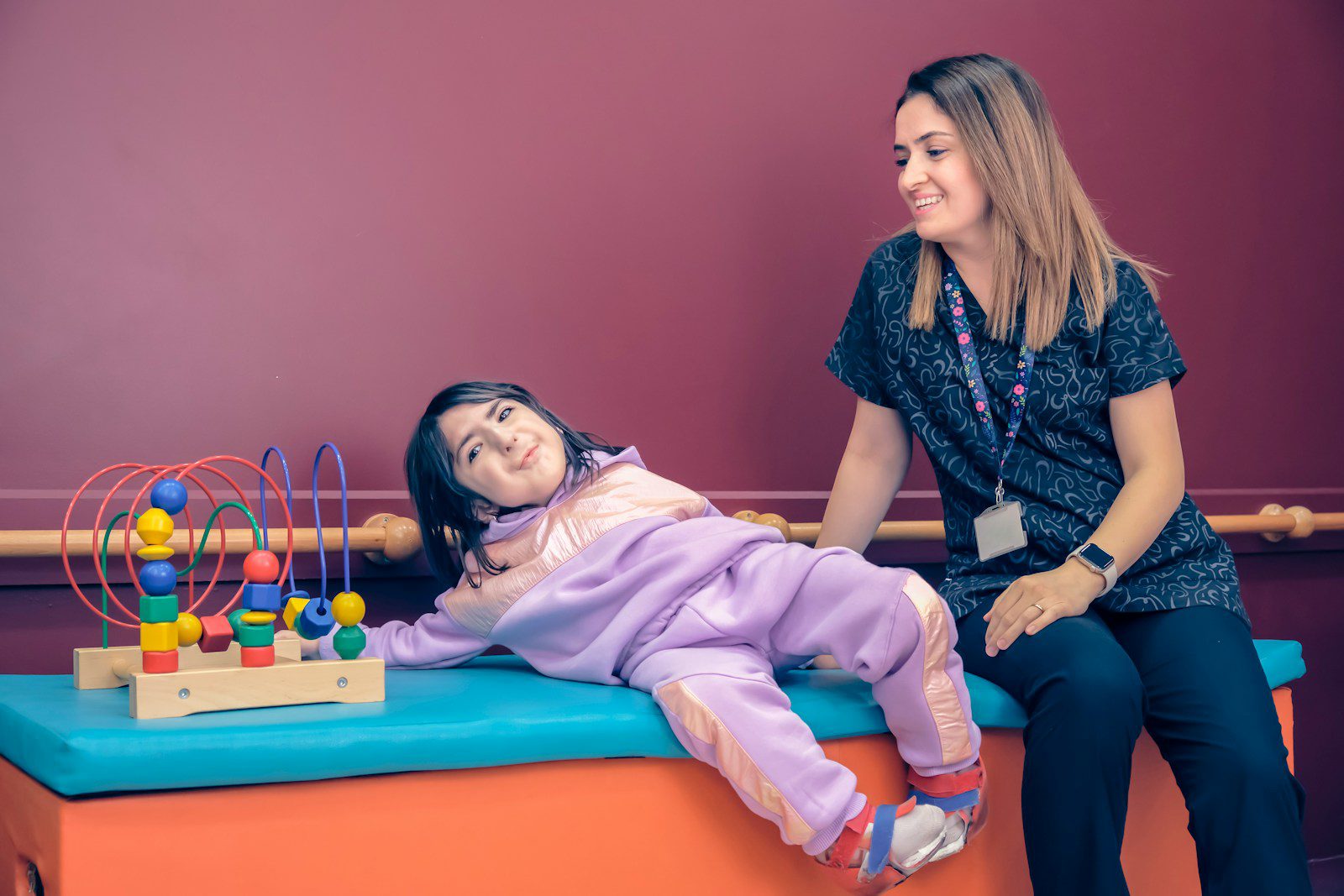
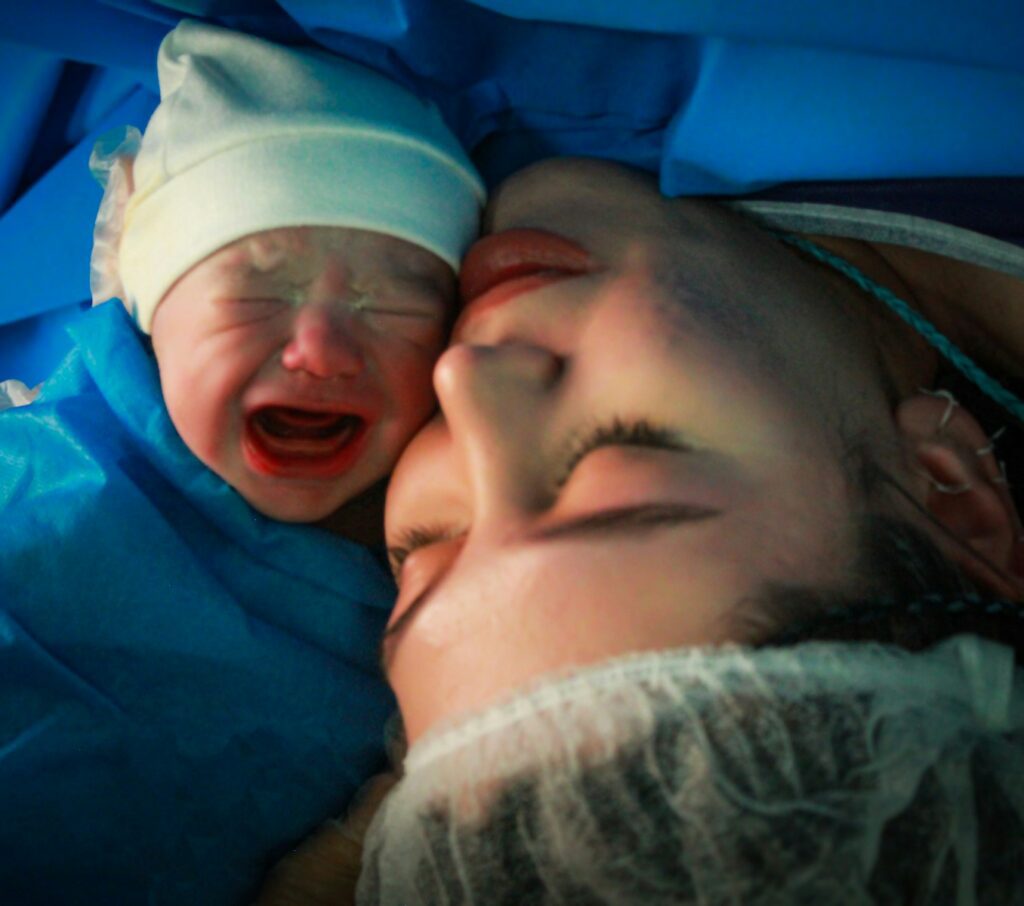 Alex Simpson’s life began with a shock. During pregnancy and shortly after birth, doctors discovered that she had hydranencephaly, a rare condition in which much of the brain is replaced by fluid instead of functioning tissue. In Alex’s case, reports describe her as a baby born with nearly no brain, a prognosis that led specialists to warn her parents that she would likely die before reaching age 4 and would never walk, talk, or interact in any meaningful way. One account of the case notes that she was essentially missing most of the structures that typically control movement, speech, and higher cognition, a situation that usually proves fatal in early childhood for infants like the Nebraska Baby.
Hydranencephaly is vanishingly rare, and the odds were stacked against her from the start. One report on a similar United States case notes that such severe brain malformations occur in roughly one in every 10,000 births worldwide, a statistic that underscores just how unlikely it was for Alex to survive infancy at all. Her parents were told bluntly that their daughter would not live past those early years, and that even if she did, she would remain profoundly disabled and medically fragile. Yet Alex, now a 20-year-old woman from Omaha, Nebraska, has outlived those predictions and marked a milestone that doctors once said would never come, a fact highlighted in coverage of the Omaha case.
A family that refused to give up
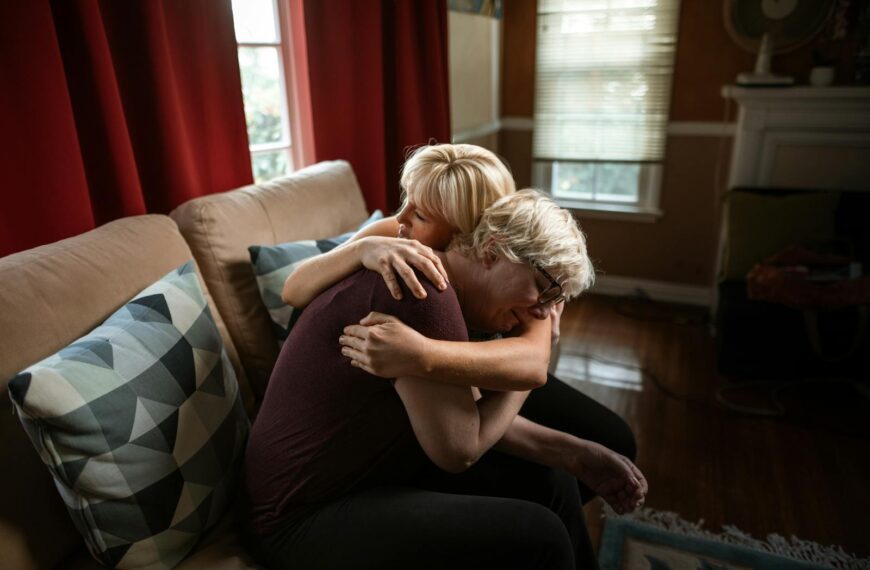
From the beginning, Alex’s parents chose to treat her not as a prognosis but as their daughter. They brought her home, learned how to manage feeding tubes and medications, and built their days around her needs. Over time, they began to notice small but unmistakable signs that she was taking in the world around her: tracking familiar voices, relaxing when held, and reacting when someone she loved entered the room. Her mother, Toria Sheffie, has described how Alex can sense when people are near and responds to their presence, a detail echoed in reporting on a Nebraska Woman Born Without much of her brain who still reacts to family members.
For Alex’s parents, those small responses became proof that their daughter was still very much here, even if she would never fit the developmental charts handed out in pediatric waiting rooms. They began to talk about her not as a tragedy but as a blessing, echoing another United States Family who described their own brainless daughter as their biggest gift. In interviews, Alex’s father, Shawn, has talked about how she looks for him when he speaks, explaining that she turns her eyes toward his voice and seems to search for his face, a moment captured when he was quoted Explaining how she responds to him.
Redefining what survival looks like
Alex’s 20th birthday is not just a family milestone, it is a medical curveball. Specialists who study hydranencephaly say survival into adulthood is extraordinarily uncommon, and that most children with the condition die in infancy or early childhood. One neurology report notes that Alex Simpson was not expected to survive past age 4, and that the reasons hydranencephaly occurs remain unclear, a point underscored in coverage that describes Alex Simpson as a rare outlier. Another analysis of similar cases highlights a woman born missing most of her brain who also reached 20, showing that while such outcomes are possible, they sit at the far edge of what doctors typically see in patients described as a Woman Born Missing 20.
Her survival has also become a touchstone in debates over disability, quality of life, and how much weight to give early prognoses. In one television segment, Alex’s parents describe her as a “fighter” and talk about how she reacts to stress in the room, seeming to pick up on the emotions of people around her, a detail echoed in coverage of the Woman whose father described her as a medical “miracle.” Another report on a United States woman born without a brain notes that her parents, too, were told she would not live long, yet they now call her a miracle and their biggest blessing, language that mirrors how Alex’s family talks about their own United States daughter.
More from Decluttering Mom: