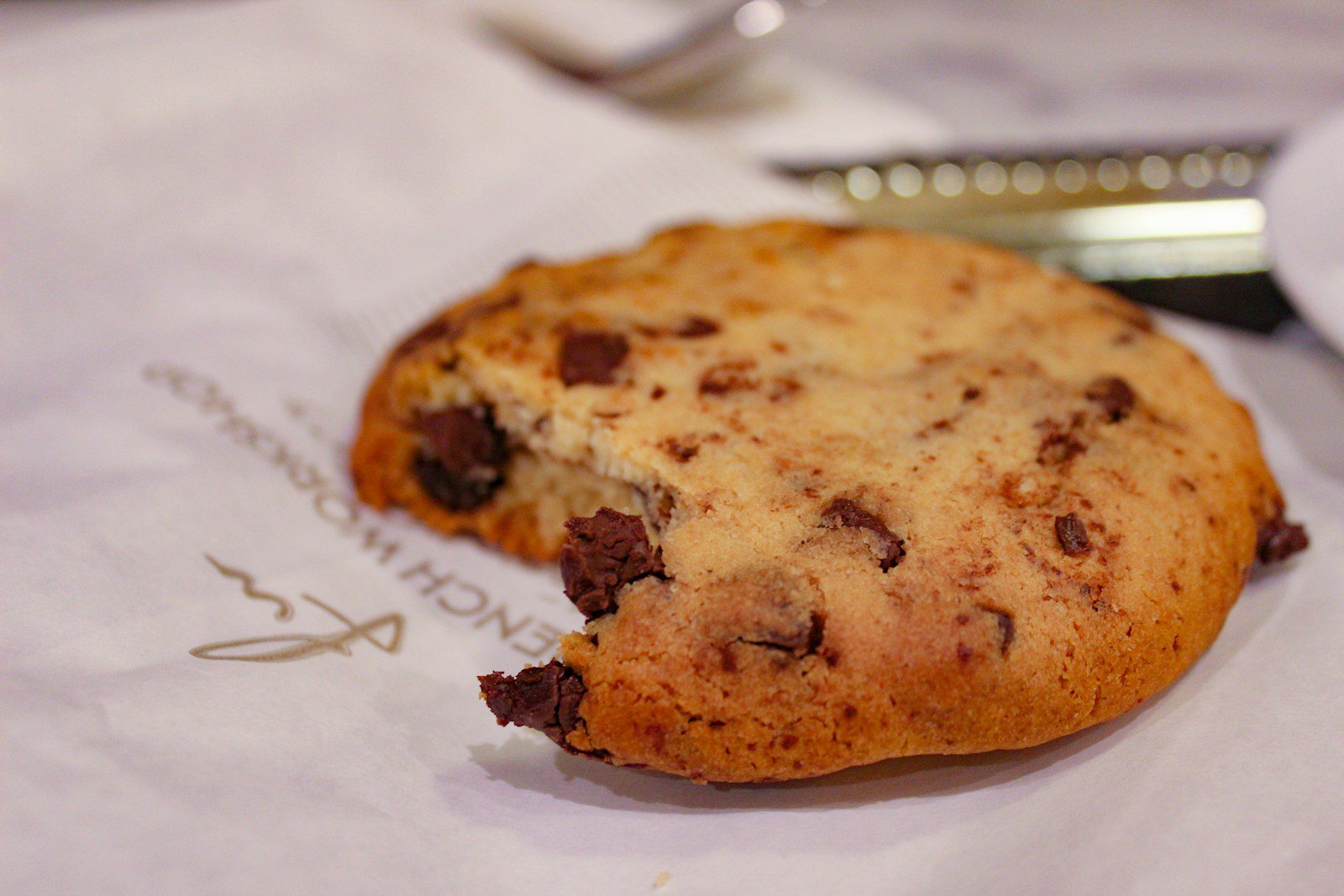
When a Cleveland shopper cracked open a Whole Foods brown butter chocolate chunk cookie earlier this year, she expected the warm, nutty aroma that home bakers associate with browned butter. Instead, she got a sharp, almost chemical smell that stopped her mid-bite. Her Instagram video, posted in February 2026, captured the moment she flipped the package over and started reading the ingredient list out loud, visibly puzzled by how far the label strayed from the simple butter-and-flour recipe the cookie’s name suggested.
The clip struck a nerve. Thousands of comments poured in from shoppers who said they had noticed similar disconnects with grocery store bakery items that promise artisan flavors but deliver something harder to identify. The reaction points to a real and growing gap between how “brown butter” is made at home and how that flavor is engineered for a packaged product with a weeks-long shelf life.
What brown butter actually is, and what it isn’t
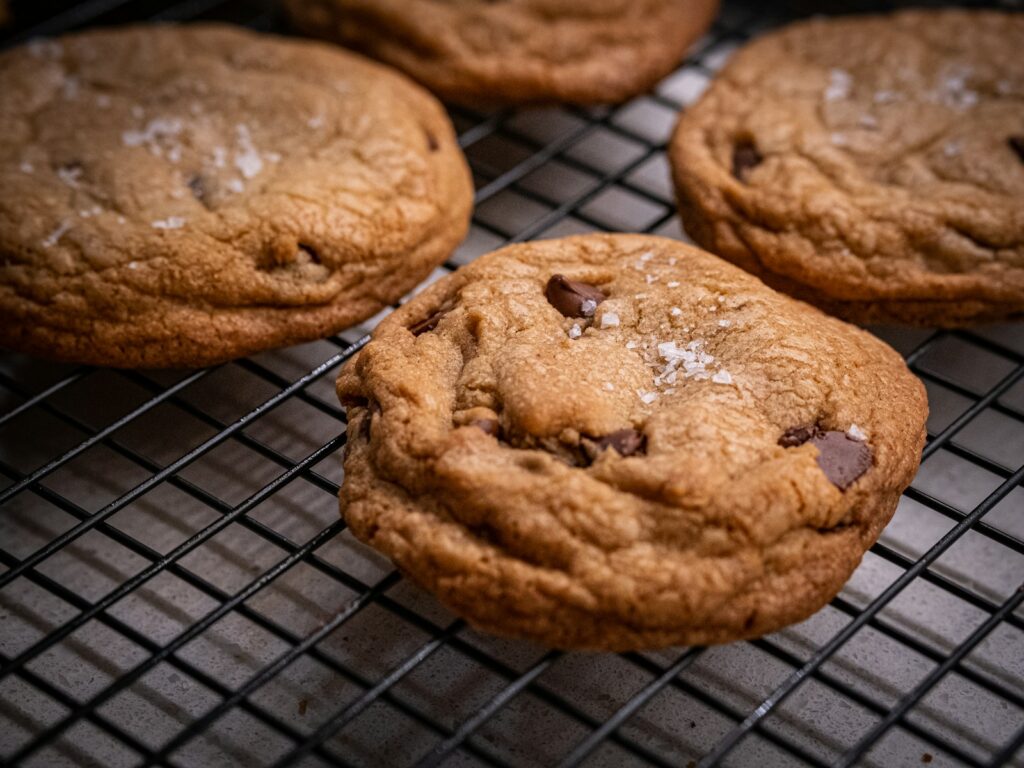
Traditional brown butter is about as simple as cooking gets. You melt unsalted butter over medium heat and keep it moving in the pan until the milk solids toast, turning golden and releasing a deep, toffee-like fragrance. The French call it beurre noisette (hazelnut butter) because of that distinctive nutty scent. The whole process takes roughly five minutes, and the result is a single ingredient: butter that has been cooked until its proteins caramelize.
Scaling that process for thousands of cookies on a commercial production line is a different matter. Browned butter is unstable; it can go rancid quickly and behaves unpredictably in industrial dough mixers. To work around those problems, many large-scale bakeries rely on flavor compounds, shelf-stable butter blends, or powdered brown butter concentrates that mimic the taste without requiring the delicate stovetop step. According to food scientists interviewed by Serious Eats, the Maillard reaction that gives real brown butter its complexity produces hundreds of volatile aroma compounds, and replicating that full spectrum synthetically is extremely difficult. The result in a packaged cookie is often a flatter, sharper scent profile that experienced bakers notice immediately.
What the Whole Foods label actually says
The ingredient panel for the Whole Foods Market Brown Butter Chocolate Chunk Cookie is longer than most home recipes. It opens with semi-sweet chocolate chunks (sugar, unsweetened chocolate, cocoa butter, dextrose, sunflower lecithin), then lists wheat flour, butter, brown sugar, eggs, and a series of additional components including natural flavors. That “natural flavors” line is where things get murky. Under FDA regulations, the term can cover a wide range of flavor compounds derived from plant or animal sources, and manufacturers are not required to specify which ones. For a cookie marketed on the strength of its brown butter character, the presence of supplemental flavoring suggests the butter alone is not doing all the heavy lifting.
The label also flags barley-containing ingredients, relevant for people with gluten sensitivities but unrelated to the smell issue. Nothing on the packaging is illegal or mislabeled. The disconnect is not about safety; it is about expectation. When a product’s name spotlights a technique (browning butter), shoppers reasonably assume that technique is central to the recipe, not a supporting player backed up by flavor additives.
Why this keeps happening with grocery store “artisan” baked goods
Whole Foods is far from the only retailer leaning on artisan-sounding language. Across the grocery industry, terms like “small batch,” “stone-ground,” and “slow-fermented” appear on products made in factories producing tens of thousands of units per day. A 2023 report from the Food Industry Association found that in-store bakery sales have grown steadily as consumers look for items that feel more premium than the standard cookie aisle, and that flavor-forward descriptions are a key driver of that growth.
The trouble is that many of those descriptions set a sensory expectation the product cannot meet. Brown butter is a perfect example: the name conjures a specific, recognizable aroma, and when the cookie smells like something else entirely, the shopper feels misled even if every ingredient is technically disclosed.
Home bakers on social media have turned this into a recurring conversation. TikTok creators who specialize in from-scratch brown butter cookies regularly contrast their results with store-bought versions, and the comment sections are filled with people sharing their own disappointing grocery store experiences. On Reddit, threads about Whole Foods bakery items swing between nostalgia for recipes the chain used to carry and frustration with what some users describe as a noticeable quality decline in recent years.
What shoppers can actually do
Reading the ingredient list is the most direct defense, but it requires knowing what to look for. A few practical guidelines:
- Check where butter falls in the list. Ingredients are listed by weight. If butter appears after flour, sugar, and chocolate, it is not the star of the recipe.
- Look for “natural flavors” or “butter flavor.” Either term signals that the brown butter taste may be coming from an additive rather than an actual browning process.
- Compare ingredient counts. A homemade brown butter cookie typically has eight to ten ingredients. If the store version lists 20 or more, the recipe has been significantly reformulated for shelf stability.
None of this means packaged cookies are bad. Plenty of people enjoy them and will keep buying them. But for shoppers who choose a product specifically because the name promises a craft technique, the label is the only place to verify whether that promise holds up.
More from Decluttering Mom: