You stumble across a story that feels impossible: a woman charged after long-term abuse and the alleged concealment of an adopted child’s death. The details tie into questions about how such harm went unnoticed and what the child welfare system missed. You will learn who’s accused, what investigators say happened, and why the case raises urgent concerns about child protection.
As the article unfolds, expect a clear case overview that outlines the timeline and charges, followed by a look at how authorities and agencies responded. The piece will also examine broader child welfare issues that this case highlights and what changes advocates and officials are calling for.
Case Overview: Woman Charged in Adopted Child’s Death

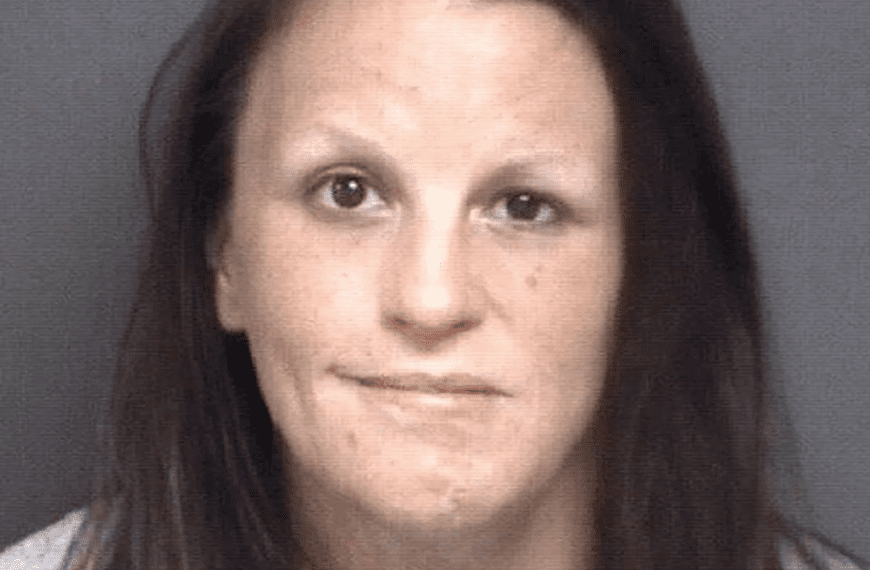
The case centers on an 11-year-old adopted girl who died after years of alleged mistreatment, and investigators say evidence points to both sustained physical abuse and steps taken to hide the child’s death. Authorities arrested the adoptive mother and filed criminal charges that include abuse-related counts.
Timeline of Events and Investigation
Authorities say the child’s death came to light after inconsistent explanations and reports from family members prompted a welfare check. Law enforcement reviewed medical records, interviewed relatives and neighbors, and matched injuries to long-term harm rather than a single accidental event. A state child fatality report later included an unnamed 11-year-old whose circumstances mirror this case, prompting broader review by child protection officials (Civil Beat).
Police executed search warrants at the home and collected physical evidence, including documentation and items investigators believe relate to restraint or punishment. The investigation expanded when records showed prior contacts with child welfare agencies, raising questions about earlier opportunities for intervention. Prosecutors then moved to file formal charges based on the assembled medical and testimonial evidence.
Details of the Alleged Abuse
Prosecutors allege the child endured repeated physical abuse and neglect over an extended period. Reported injuries include bruising and trauma consistent with severe physical abuse rather than accidental injury. Witness statements and interviews with people connected to the family describe a pattern of harsh discipline, restricted care, and environments that could amount to child maltreatment.
Those interviewed described incidents suggesting both active physical harm and neglect of basic needs, which together meet many definitions of child abuse used by protection agencies. Investigators are treating the case as aggravated child abuse because of the severity and chronic nature of the alleged mistreatment.
Evidence of Concealment and Charges Filed
Investigators allege the adoptive mother concealed the child’s death and delayed reporting it to authorities. Officials found inconsistencies in timelines provided to investigators and evidence suggesting attempts to hide the body or delay discovery. That pattern of concealment contributed to charges beyond abuse, with prosecutors indicating potential counts related to obstruction or concealment of a death.
The arrested woman faces multiple charges tied to physical abuse, child neglect, and related offenses. News coverage and charging documents link this arrest to entries in the state child fatality report and reporting by local outlets, which detail how investigators built the case and the specific accusations filed against her (MSN; Civil Beat).
System Response and Broader Child Protection Issues
The case exposes weaknesses in detection, case management, and legal tools, and it raises questions about how agencies share information and follow up on high-risk families.
Role of Child Protection Services and Agencies
Child protection services and local child protection agencies carry responsibility for intake, investigation, and ongoing monitoring. Triage decisions—how hotlines route reports and which allegations get in-person checks—directly affect outcomes. When reports cite neglect, unexplained injuries, or prolonged absence from school, agencies should trigger joint responses with law enforcement and medical examiners.
Caseworkers need manageable caseloads, timely risk assessments, and clear protocols for escalating to family court or emergency removal. Data-sharing gaps between CPS, schools, and health providers can let chronic abuse stay hidden. Independent review boards, mandated reporter training, and audits of closed cases help identify systemic failures.
Legal and Social Consequences
Prosecutors may charge caregivers with murder, child abuse, or child torture depending on evidence of intent and concealment. Convictions can include long prison terms, mandatory registration, and loss of parental rights. Civil actions can follow against agencies if negligent investigation allowed continued harm, though proving liability often requires showing clear procedural breaches.
Socially, communities face scrutiny over how neighbors, schools, and religious institutions missed signs. High-profile cases can spur legislative changes, such as tougher penalties or revised mandatory reporting laws, but they also risk reactive policies that strain caseworker capacity without improving detection.
Child Welfare and Prevention Efforts
Effective prevention blends targeted supports and universal services. Programs that reduce parental stress—home visiting for new parents, in‑home therapy for families flagged for neglect, and affordable childcare—lower abuse risk. The Child Abuse Prevention and Treatment Act (CAPTA) provides federal funds and sets minimum standards; states that use CAPTA funds must implement multidisciplinary teams and reporting frameworks.
Prevention also relies on training mandatory reporters in schools and clinics to recognize subtle signs, and on data systems that flag repeat reports across counties. Community awareness campaigns and school-based mental health services help spot at-risk children earlier and connect families to resources before harm escalates.
More from Decluttering Mom: