Checking into a rental and discovering there is no working heat or hot water sounds like a clear-cut case for a refund. Airbnb’s own rebooking and refund policy says guests can seek compensation when a home is missing essential features or does not match its listing. But travelers who have filed these complaints have learned that the outcome often depends less on whether they were cold and more on what the listing technically promised.
Several high-profile disputes over the past few years reveal a pattern: guests report a serious habitability problem, Airbnb’s support team examines the listing’s amenity checklist rather than the guest’s experience, and the refund request stalls or gets denied. As of early 2026, the company’s AirCover program and its Get What You Booked Guarantee are still the main safety nets for travelers, but the fine print matters more than most guests realize before they book.
What Airbnb’s policies promise when essentials fail
Airbnb’s refund policy lays out a process that looks straightforward. Guests who arrive at a listing and find it materially different from what was advertised can contact support, submit photos or videos as evidence, and request a partial or full refund. The company’s separate issue-resolution guidance tells guests to message the host first, then escalate through the app if the problem is not fixed.
The Get What You Booked Guarantee, part of Airbnb’s AirCover program, gives guests 72 hours after check-in to report that something in the home does not match the listing. For issues severe enough to force a guest to leave within the first 24 hours, Airbnb’s framework allows for full refunds, a standard that host-focused resources like Hospitable describe as part of the platform’s baseline approach. In theory, a guest who checks in, finds no heat, and reports it immediately should be covered.
In practice, the outcome often hinges on a single question: did the listing specifically mention the broken feature as an included amenity?
The loophole that left Tahoe guests taking cold showers
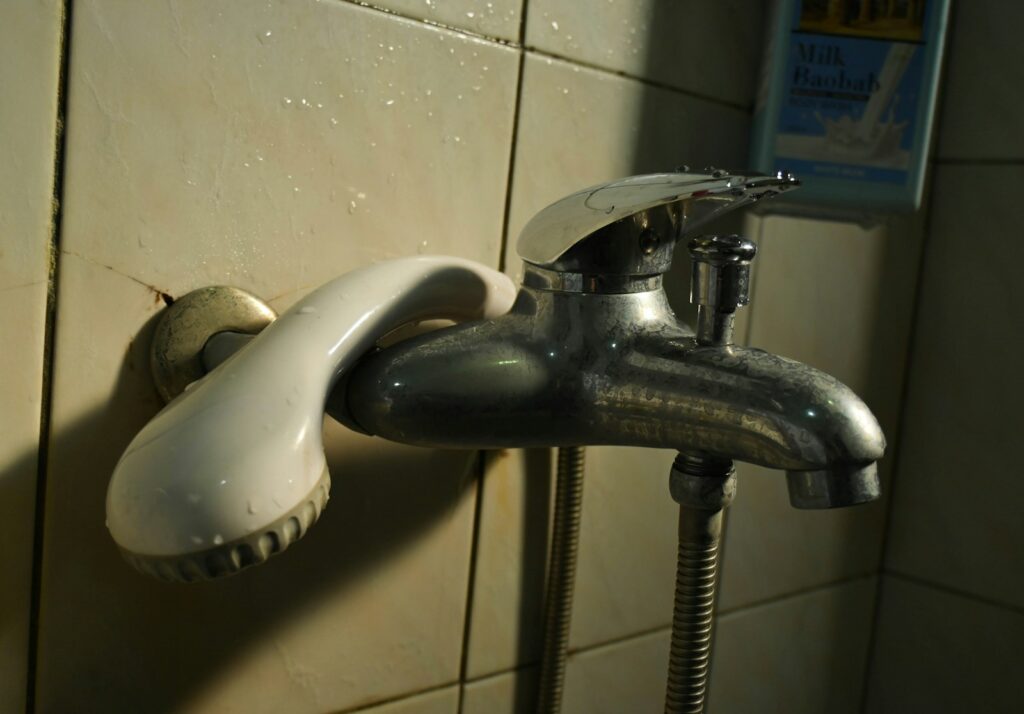
That question became national news during a winter trip to Lake Tahoe. A group of guests reported that the rental’s hot water was not working, leaving them taking cold showers in freezing weather. When they contacted Airbnb, a support representative told them the host was “not obligated” to provide hot water because it was not specifically listed as an amenity. The guests recorded their experience in a video that spread widely online.
One member of the group, identified as Yee, took the dispute to ABC7’s consumer help segment after Airbnb’s initial denial. Yee told the outlet that the listing made no mention of hot water at all, which Airbnb used as grounds to reject the refund claim. “That didn’t seem right,” Yee said, according to ABC7’s coverage of the dispute. The case illustrated a gap that has frustrated guests ever since: amenities that most people consider basic, like hot water or functioning heat, are only protected under Airbnb’s system if the host explicitly lists them.
Airbnb did not publicly comment on whether it has changed how support agents handle cases where unlisted but universally expected utilities fail. The company’s help pages, as of March 2026, still direct guests to the same refund and rebooking policy framework.
What guests can actually do after a denial
A refund denial from Airbnb is not necessarily the end of the road, but winning after one requires preparation that most travelers do not think about until it is too late.
The most effective step is documentation. Consumer advocates and short-term rental dispute specialists consistently recommend that guests photograph and video everything at check-in and check-out: thermostats showing low temperatures, faucets running cold, any visible damage or missing amenities. All communication with the host should stay inside the Airbnb app, where it is timestamped and accessible to support agents. A practical guide from Concierge Angels, a rental dispute service, stresses that guests who build a clear evidence trail are better positioned to escalate through a credit card chargeback or small claims court if the platform itself will not budge.
Credit card chargebacks can be a powerful tool. Under the Fair Credit Billing Act, cardholders can dispute charges for services not rendered as described. Guests who paid with a credit card and can show that the listing materially misrepresented the property have a legitimate basis for a dispute with their card issuer, independent of Airbnb’s internal decision.
Local law offers another angle, though it is a complicated one. In Colorado, for example, attorney Peshut has explained that under the state’s warranty of habitability statute, premises that lack functioning heat are considered uninhabitable, a breach that provides tenants with certain legal remedies. Whether short-term rental guests qualify as “tenants” under these statutes varies by state and has not been definitively settled in most jurisdictions. Still, the underlying principle that heat is a habitability issue, not a luxury, gives guests an argument that extends beyond Airbnb’s own terms of service.
The bottom line for anyone booking a winter rental
Until Airbnb closes the gap between what guests reasonably expect and what its amenity-checklist system actually protects, travelers booking cold-weather stays should take a few precautions before they arrive:
- Check the listing’s amenity list carefully. Look for explicit mentions of heating, hot water, and any other utility you consider essential. If it is not listed, message the host before booking and save the response.
- Document everything at check-in. Walk through the property on video. Test the heat and hot water. Screenshot the thermostat and any relevant listing details.
- Report problems immediately. Airbnb’s 72-hour reporting window is a hard deadline. File through the app, not just by texting the host.
- Pay with a credit card. If Airbnb denies your claim, a chargeback through your card issuer is a separate process with its own consumer protections.
None of this should be necessary for a guest who books a home and expects it to be warm. But as the Tahoe cases showed, what should be obvious and what Airbnb’s system recognizes are not always the same thing.
More from Decluttering Mom: