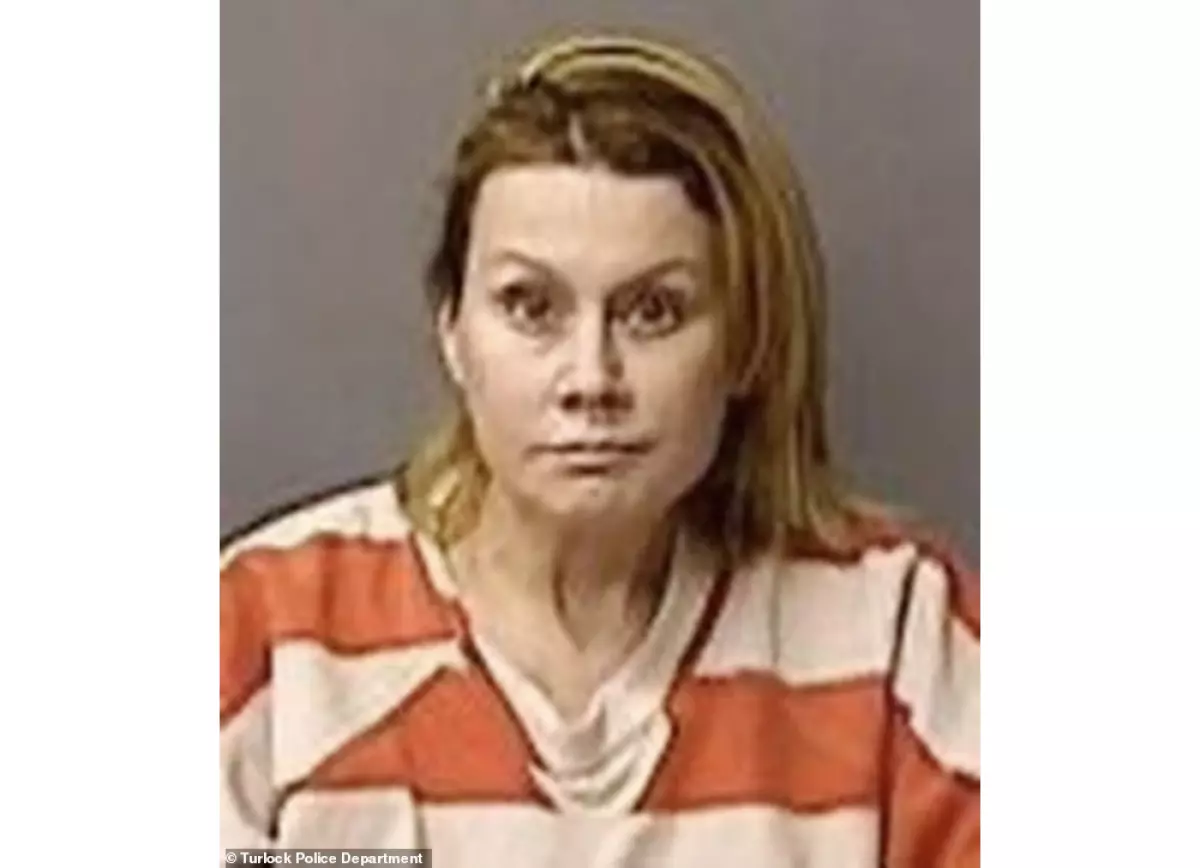
A California mother is staring down the possibility of spending much of her life behind bars after prosecutors said she stayed on her phone while her toddler slipped into a backyard pool and drowned. The case has become a flashpoint in the debate over digital distraction, alcohol, and what society expects from parents when every second can mean the difference between life and death.
Investigators say the woman, identified in court records as Brassart, was drunk, focused on men she met through dating apps, and failed to act even after realizing her 2‑year‑old was in trouble. The child’s death, and the murder conviction that followed, is now being held up alongside other recent tragedies as a grim warning about what can happen when a caregiver’s attention is anywhere but on the water.

The Drowning That Shook Turlock
The fatal incident unfolded at a home in Turlock, where prosecutors said a 2‑year‑old girl wandered outside alone and ended up in the family’s swimming pool while her mother stayed inside. A local jury later found a Turlock mother guilty of second‑degree murder and felony child neglect in connection with the September death of her 2‑year‑old daughter, a verdict that signaled jurors believed her conduct went far beyond a tragic mistake. According to court summaries, the toddler was left unattended for a significant stretch of time before she entered the water, and by the time anyone reached her, efforts to save her life had failed, leaving the community stunned at how preventable the drowning appeared to be, as reflected in a detailed Turlock case summary.
In the separate but closely watched case involving Brassart, prosecutors said the pattern was even more disturbing. They argued that she knew her daughter, Daniellé, was outside near the pool but still chose to stay inside, drinking and scrolling through dating apps, while the child was left to fend for herself. That narrative of a parent prioritizing her phone and alcohol over basic supervision has driven much of the outrage, especially as more details have emerged about just how impaired she allegedly was and how little she did to help once things went wrong.
Allegations Of Alcohol, Dating Apps, And A Missed Rescue
From the start, investigators painted a picture of a mother whose judgment was badly compromised. Officers who responded to the drowning call said Brassart showed clear signs of impairment, prompting them to open a full criminal investigation into her daughter’s death and to document her behavior at the scene, according to Officers who later testified. A test taken shortly afterward at the death scene showed Brassart had a blood alcohol level of . 246 percent, a figure that prosecutors stressed was more than three times California’s legal driving limit and, in their view, completely incompatible with safe caregiving, as laid out in charging documents cited in a Brassart case report.
Digital forensics added another layer. Investigators said app data and call logs showed that Brassart spent critical minutes chatting with men she had met on dating platforms while her daughter was outside near the pool, a pattern echoed in a separate account that described a Mom Charged With her 2‑year‑old drowned while she was chatting with men she met on a Dating App, By Katherine Schaffstall. In Brassart’s case, prosecutors said she eventually called for help but never went outside to pull Daniellé from the water, a claim that Investigators highlighted in a filing that said Brassart remained in the home and never attempted to rescue Daniell, a detail that appears in a Investigators summary.
Video Evidence And The 246 Percent Detail
Surveillance footage from the property became one of the prosecution’s most powerful tools. According to a law enforcement summary, Video from cameras at the residence showed the 2‑year‑old wandering outside alone for an extended period before she fell into the pool, with no adult stepping in to redirect her or pull her back from the edge, a sequence described in a Video based account. Prosecutors said the footage undercut any suggestion that the drowning happened in a sudden, unforeseeable instant, instead showing a slow moving emergency that could have been stopped if someone had been watching.
That same case file underscored the significance of the . 246 percent blood alcohol reading. Another summary of the investigation noted that Brassart’s blood alcohol level was measured at 246% at the time of the drowning, a phrasing that, while mathematically awkward, was used by authorities to emphasize just how far above the legal threshold she was, as reflected in a separate 246% reference. In court, that number became shorthand for the prosecution’s broader argument: that this was not a momentary lapse but the predictable outcome of choosing to “be selfish and get drunk,” language attributed to prosecutors in a detailed Jan case recap.
From California Backyard To National Pattern
As the California case moved through court, it started to look less like an isolated horror and more like part of a troubling pattern. Another report described a California woman who phoned men instead of saving her drowning 2‑year‑old and was later found guilty of murder, with prosecutors again pointing to phone records and a lack of basic rescue efforts, a scenario laid out in a California case summary. In that account, officers said the mother called men instead of focusing on resuscitating her child, a detail that echoed the allegations against Brassart and fueled a broader conversation about how courts should treat parents whose phones become more important than their kids’ safety.
Outside California, similar stories have surfaced. In Indiana, Mom Who Allegedly Looked at her Phone and Ignored Son While He Drowned to Death was Indicted, with prosecutors accusing Jessica Weaver of failing to watch her 3‑year‑old at a swimming pool and then lying about how closely she had been supervising him, according to a charging narrative summarized in a report on Jessica Weaver. Another case described a Mom accused of being glued to her phone while her 3‑year‑old son drowned at a waterpark, with witnesses saying she barely looked up from the screen or paid attention to anything as the boy struggled in the water, details that appeared in a widely shared account of the Mom being indicted.
Life‑Changing Sentences And A Legal Line In The Sand
For Brassart, the legal stakes could not be higher. Prosecutors have said she faces 15 years to life in prison, a range that reflects the second‑degree murder conviction and the view that her conduct met the standard for extreme indifference to human life, as outlined in a charging summary that described a woman on dating apps while her daughter drowned and now facing a potential life term, a scenario detailed in a report on a Jan sentencing range. Another account framed it even more starkly, describing a Mom facing life in prison after her toddler drowned in a pool while she was drunk and on dating apps, with reporter Andrea Cavallier noting that the child was pronounced dead at the scene despite efforts to revive her, a detail captured in a separate Mom profile.
Those potential sentences are part of a broader shift in how prosecutors approach child drownings tied to alleged neglect. In the California phone case, one narrative described a California woman who phoned men instead of saving her drowning child and was ultimately convicted of murder, a result that legal analysts say sends a message that extreme distraction can cross the line into criminal homicide, as summarized in a report on California woman who phoned men instead of saving her child. Another account of the same prosecution noted that after calling for help, Brassart remained in the home and never attempted to rescue Daniell, a detail that District attorneys highlighted to argue that her inaction was as damning as her drinking, according to a summary that quoted the Distric attorney’s office.
More from Decluttering Mom: