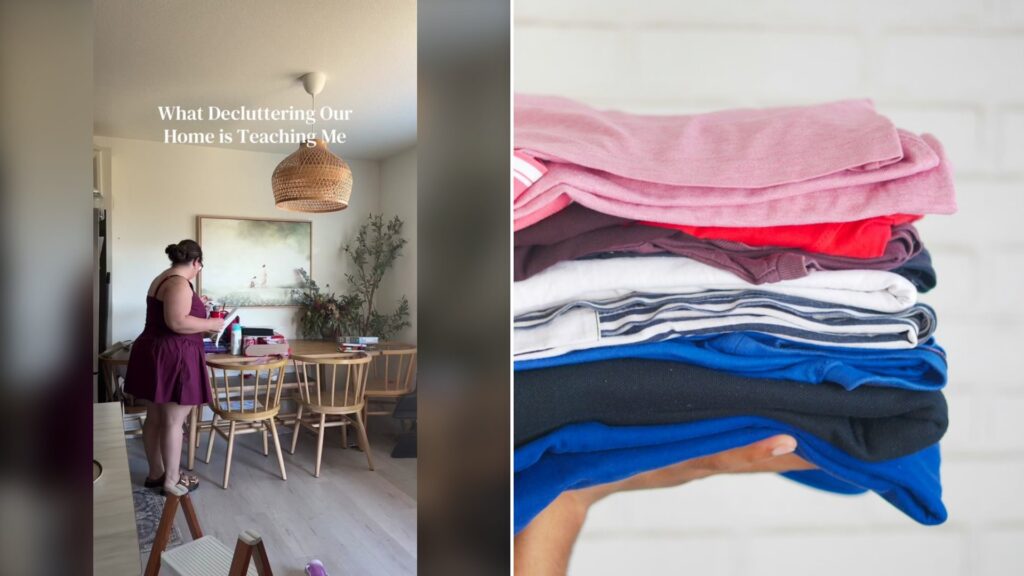
Sometimes the clutter wins for a while, and then one day you simply decide you are done. That day came for @itsvodkarla in late October. With the calendar running out, she set herself a clear, bold goal for a single day: “PICK 50 ITEMS TO DONATE.”
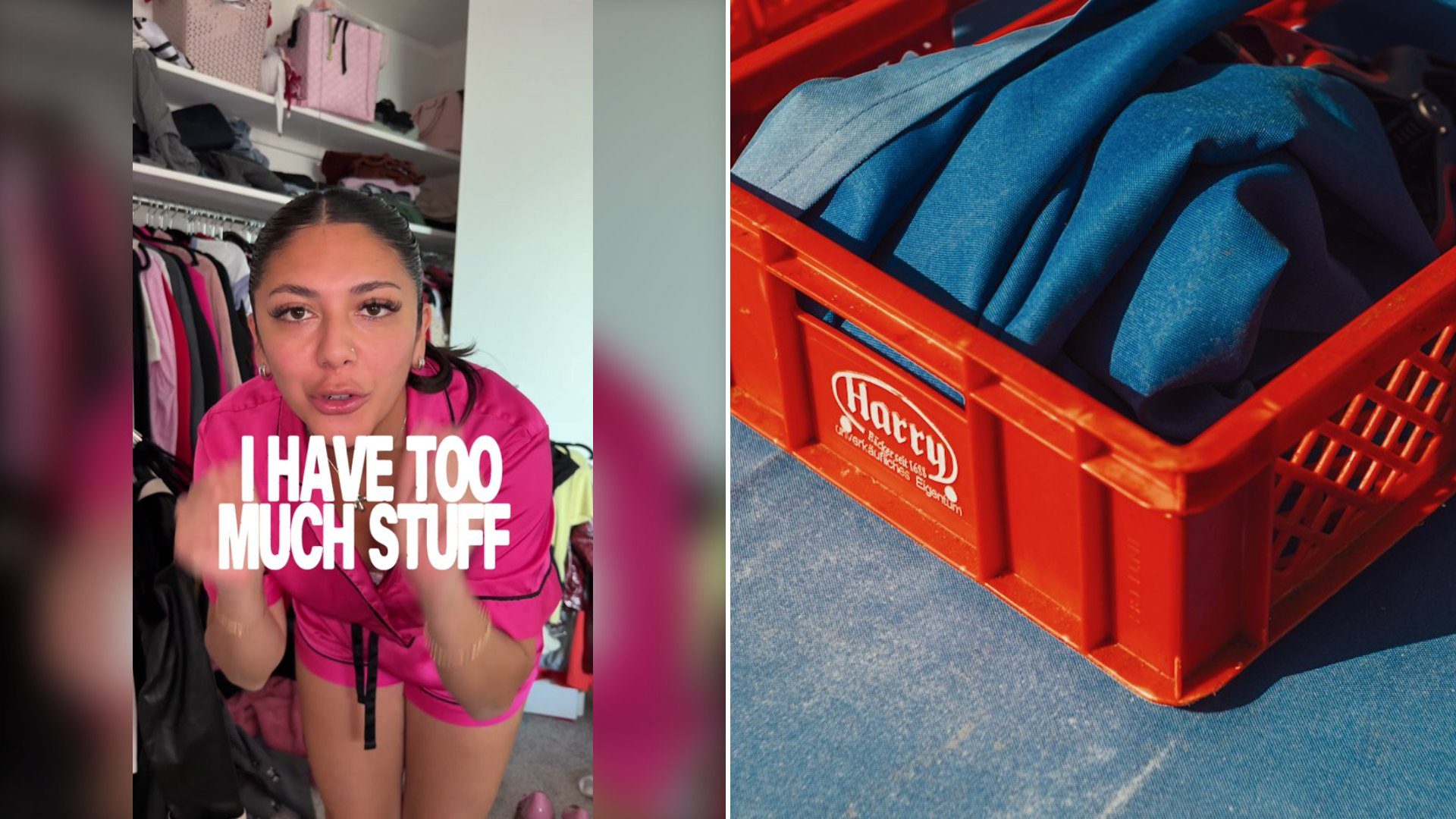
Her reasoning is laid out in her caption. “The year ends in <75 days and I’m going to make the most of it,” she writes. “I’m sooo tired of being overwhelmed by the clutter in my home and closets!”
Her video has no talking. The caption tells the story, and her hashtags make clear where much of the work was focused: a closet clean-out.
What makes her post so touching is how she feels about what she is letting go. Rather than treating it as junk, she sees the clothes as having served her well. “Plus the clothes was good to me,” she writes, “hopefully it can be good to someone else.”
It is a feeling many people know. A closet stuffed with clothes we no longer wear can quietly weigh on us every morning. Yet each piece once meant something, whether it was a favorite sweater, a special-occasion dress or a pair of jeans from a different season of life. Sending them on to someone who will wear them can make letting go feel less like a loss and more like a gift.
@itsvodkarla
Why a Number Goal Works
“Declutter the house” is a vague goal that can feel impossible. “Pick 50 items” is concrete. You know exactly when you have finished, and every item that goes in the bag is visible progress.
A number also pushes you past the easy first round. The first 15 or 20 items are usually obvious: the shirt with the stain, the shoes that pinch. Getting to 50 makes you look a little harder at what you truly use and love.
Pairing the goal with a deadline, as she did with the end of the year, adds a gentle push. It turns “someday” into “today.”
Fifty Places to Find Items to Donate
If you want to try her challenge, you may be surprised how quickly 50 items add up. Here are places to look.
The closet. Clothes that no longer fit, that you have not worn in a year, or that you keep putting back on the hanger after trying them on. Duplicates of basics you have too many of. Shoes that hurt. Purses you never carry.
The linen closet. Extra sheet sets for beds you no longer own, thin towels, and spare blankets beyond what you need. Animal shelters often welcome old towels and blankets.
The kitchen. Duplicate utensils, mugs you never reach for, single-use gadgets, and serving dishes that only come out once a decade.
Bookshelves. Books you have read and will not read again, and ones you know you will never get to. Libraries and schools sometimes accept book donations, though it is best to call first.
Holiday decorations. Ornaments, wreaths and table pieces that stay in the box year after year.
Toys and hobbies. Games, puzzles and craft supplies that no one in the house uses anymore.
Count as you go. Keep a tally on your phone or a sticky note, and stop for the day when you hit your number.
Making Your Donations Count Before December 31
A few practical steps help your donations do the most good.
Donate clean, usable items. Wash clothes and check for stains, holes and missing buttons. Charities have to pay to throw away items they cannot sell, so donating only what is in good shape helps them most.
Call ahead. Many donation centers have rules about what they accept, especially for furniture, mattresses, car seats and electronics. Women’s shelters, churches and community closets may have specific needs, such as warm coats in winter.
Ask for a receipt. In the United States, if you itemize deductions on your tax return, donated goods to a qualified charity may be deductible at their fair market value. Under IRS rules, clothing and household items generally must be in good used condition or better. Keep a list of what you gave and the receipt, and if your noncash donations total more than $500 for the year, an extra form is required. A tax professional can tell you what applies to you.
Get the bags out of the house. Load them into the car the same day so they do not drift back into closets. Many people keep a donation bin in the garage or laundry room so the process never stops.
Keeping the Closet From Filling Back Up
Once the 50 items are gone, a couple of habits help hold the ground you gained. Try hanging all your clothes with the hangers facing one way, and turn each hanger around after you wear the item. After a few months, the hangers still facing the original way show you exactly what you never wear.
A simple one-in, one-out rule helps too. Each new piece of clothing that comes home means one older piece goes into the donation bin.
For @itsvodkarla, the goal was not perfection. It was lightening the load before a new year begins, and giving her well-loved clothes a second chance with someone new. That is a challenge almost anyone can take on this weekend.
More From Decluttering Mom
- Mom Shares Three Things She Wishes She Had Known Before Becoming a Mother Including Why Toddlers Are Harder Than Newborns and Sleep Progressions Feel Like a Scam
- Woman’s One Hundred Year Old Mother Clears Out Her Things Almost Every Week and Hands Them Over and This Week the Pile Held a Sewing Kit She Has Wanted Since Childhood
- Dresser Flipper Who Has Restored Over Three Hundred of Them Takes Fifty Dollars to a Thrift Store and Shows Why He Walked Past the Dresser With Metal Drawer Bottoms