A family trip to see the fish turned into a delivery room moment when a pregnant visitor went into labor at a Missouri aquarium and delivered her baby before first responders could reach her. With contractions coming fast and no time to get to a hospital, she relied on a calm stranger, a phone on speaker, and an emergency dispatcher walking everyone through each step. By the time paramedics arrived, the baby was already here, healthy and crying, in one of the most unlikely birth settings imaginable.
The story has all the elements of a modern folk tale: a tourist attraction, a surprise labor, and a team of people who had never met suddenly working together as if they had trained for this exact moment. It is also a very real look at how emergency systems, from 911 dispatchers to on-site staff, can turn a chaotic scene into a controlled, life changing event in a matter of minutes.
From Day Out To Delivery Room
The woman had gone to the aquarium expecting a low key outing, not a birth story that would be retold across the country. She was walking through the exhibits at Wonders of Wildlife in Springfield, Missouri, when her contractions shifted from background discomfort to the kind of pain that makes every step a negotiation. Like a lot of parents in the final stretch of pregnancy, she had probably rehearsed the drive to the hospital, not the possibility of giving birth next to a tank of tropical fish.
Witnesses described how quickly the situation escalated, with staff and visitors realizing almost at the same time that this was not a drill and that the baby was not going to wait. The setting, a sprawling attraction connected to Bass Pro Shops and known for its immersive galleries and live animal displays, suddenly felt very small as attention narrowed to one expectant mother and the people rallying around her. The aquarium, usually a place for slow wandering and photo ops, became the backdrop for a race against the clock that would end with a newborn in someone’s arms before sirens ever reached the parking lot.
The Wonders Of Wildlife Setting
Wonders of Wildlife is not a tiny roadside stop, it is a major conservation themed complex that draws visitors from across the region to its galleries, wildlife exhibits, and aquarium spaces. The facility sits in Springfield, Missouri, and is closely tied to the nearby Bass Pro Shops campus, which helps explain why a casual family visit can easily stretch into a full day of walking, exploring, and climbing stairs. The sheer size of the place, captured in maps and visitor guides for the Springfield attraction, also helps explain why getting a very pregnant woman from one end to the exit in the middle of active labor was never going to be simple.
That layout mattered once staff realized they were dealing with a medical emergency. The aquarium’s winding paths, dim lighting in some galleries, and clusters of visitors can slow movement even on a normal day. In this case, the woman’s contractions were already close together, and every pause to breathe through the pain made it clearer that she was not going to make it to a car, much less a hospital, in time. The very features that make the space feel like an underwater adventure, from long viewing tunnels to crowded photo spots, suddenly became obstacles that forced everyone to improvise a new plan on the fly.
Labor Starts In The Middle Of The Crowd
According to local reporting, the woman’s labor shifted from manageable to urgent while she was still inside the aquarium, surrounded by other guests who had come to see sharks and stingrays, not a delivery. She began experiencing contractions that were strong enough to stop her in her tracks, and it did not take long for people nearby to notice that this was not just a case of someone feeling lightheaded. Staff members moved quickly to clear space, offer support, and call 911, turning a busy walkway into an impromptu staging area for a birth.
As the contractions intensified, it became obvious that the baby was not going to wait for an ambulance. The woman’s support person and a small group of helpers stayed close, following instructions from the emergency dispatcher while trying to keep her as comfortable as possible in a very public, very unconventional setting. The aquarium’s usual soundtrack of bubbling tanks and recorded narration was replaced, at least in that corner, by coaching voices, urgent phone calls, and the focused quiet that settles over a crowd when everyone realizes they are witnessing something serious and intimate unfold in real time.
Guided By EMS Over The Phone
With first responders still en route, the most critical voice in the room was not physically there at all. An emergency medical services dispatcher named Snider took the 911 call and quickly understood that this was not a false alarm or a slow building situation. The baby was coming, and he would have to guide the delivery remotely. Snider, who is also a former paramedic with experience assisting in emergency deliveries, later explained that this was his first time assisting over the phone, a detail highlighted in coverage of the Missouri aquarium birth.
Snider later described how he relied on the person with the phone to be his hands and eyes, asking for constant updates about what they were seeing and feeling so he could adjust his instructions. He walked them through checking the mother’s condition, preparing for the baby’s arrival, and what to do once the newborn emerged. At one point he emphasized that this was one of the first times he had to guide someone through the entire process over the phone, underscoring how unusual the call was even for a seasoned professional. His calm, step by step coaching helped turn a group of untrained bystanders into an effective support team in a matter of minutes.
Madi Steps In As The Dispatcher’s “Hands And Eyes”
At the center of that improvised team was a woman named Madi, who happened to be nearby when the labor turned serious and ended up playing a role she had never expected. She was the one holding the phone, relaying Snider’s instructions and describing the scene so he could make real time decisions from miles away. In later interviews, Snider said of Madi, “She was my hands, my eyes. She would tell me about the scene, and then I would guide her through,” a quote that captured just how closely the two had to work together despite never meeting in person, as detailed in national coverage that noted how hands.
Madi’s role went far beyond simply holding a phone. She had to stay composed, follow medical instructions she had never practiced, and physically assist with the delivery while reassuring the laboring mother that help was on the way. According to accounts of the birth, she listened carefully as Snider explained what to watch for, when to encourage pushing, and how to respond once the baby arrived. In a setting where no one had planned for a medical emergency, her willingness to step forward and take responsibility became one of the key reasons the delivery went as smoothly as it did.
Baby Arrives Before First Responders
By the time paramedics reached the aquarium, the most dramatic part of the story had already happened. The baby had been delivered on site, with Madi and others following Snider’s instructions over the phone. Local reports described how the newborn arrived before first responders could get to the scene, turning what might have been a frantic wait into a moment of relief and celebration. The phrase “Woman Gives Birth, Aquarium Before First Responders Arrive, EMS, Helped Guide Her Through the Birth Over the Phone, Madi” captures the core of what made the story stand out, and it has been echoed in national coverage of the aquarium delivery.
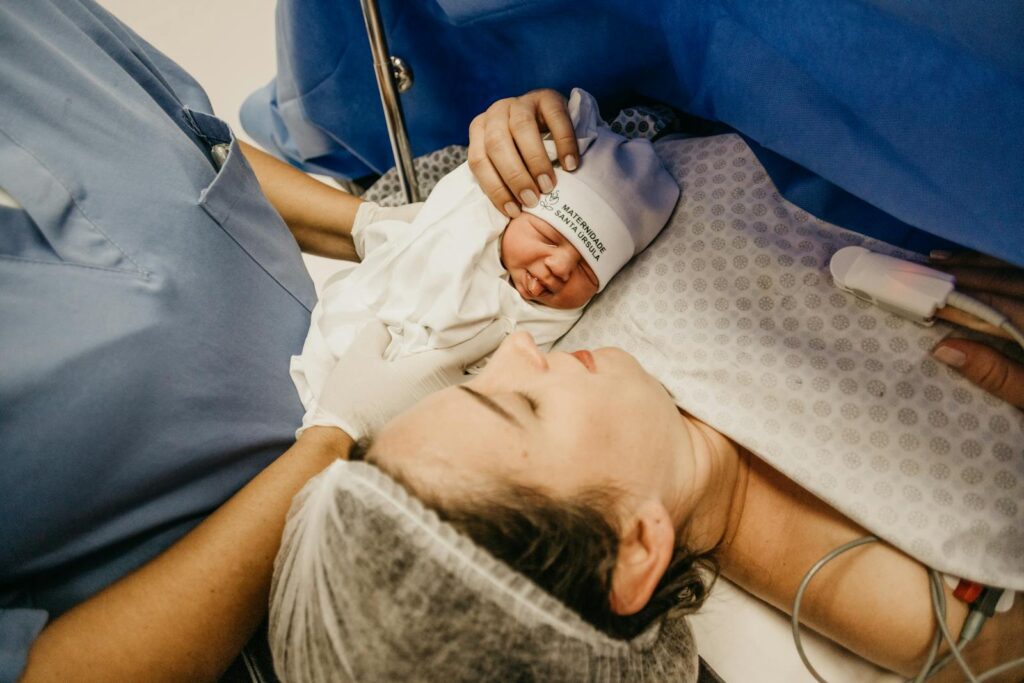
Once paramedics arrived, they took over care for both mother and baby, checking vital signs, cutting the umbilical cord if it had not already been done, and preparing them for transport to a hospital for further evaluation. The fact that the baby was born before they got there did not mean their role was any less important, but it did highlight how crucial those first few minutes of remote guidance had been. The successful outcome, with both mother and child reported to be doing well, is a testament to how quickly a group of strangers can become a coordinated team when the stakes are as high as a life entering the world.
Inside The 911 Call: Calm In A High Pressure Moment
Snider has been candid about how unusual the call was, even for someone with his background. He noted that while he had experience as a paramedic and had assisted with emergency deliveries in person, this was one of the first times he had to manage the entire process over the phone. In one account of the incident, he acknowledged that “it’s hard, you know,” and emphasized how rare it is to have to guide someone through every step without being able to see what is happening, a point that was underscored in detailed coverage of how the baby was delivered before crews arrived.
Despite that pressure, Snider kept his voice steady and focused on the basics: keep the mother as comfortable as possible, monitor the baby’s progress, and be ready to respond the moment the newborn arrived. He later pointed out that the people on scene, including Madi and the mother’s support person, stayed remarkably calm, which made it easier for him to do his job from a distance. Their ability to follow instructions, ask clear questions, and act quickly when it mattered most turned what could have been a chaotic emergency into a controlled, if unconventional, birth.
How Staff And Visitors Rallied Around The Family
While the dispatcher and Madi were central to the story, they were not the only ones who stepped up. Aquarium staff helped clear space, direct foot traffic away from the scene, and make sure the family had as much privacy as possible in a public venue. Some employees fetched towels, blankets, or anything else that might help, while others waited at entrances to guide paramedics through the maze of exhibits as soon as they arrived. Their quick thinking and willingness to pivot from customer service to emergency support showed how flexible front line workers often have to be when the unexpected happens.
Other visitors also played a role, whether by offering words of encouragement, helping to shield the mother from view, or simply keeping their distance to give the family room. Accounts of the incident describe a kind of quiet solidarity settling over the area, with people recognizing that they were witnessing something deeply personal and choosing to respect that boundary. The result was a makeshift delivery room that, while far from ideal, gave the mother enough space and support to focus on the work of bringing her baby into the world.
After The Birth: Hospital Checks And A Story For Life
Once mother and baby were stable, paramedics transported them from Wonders of Wildlife to a local hospital for the usual post delivery checks. Medical staff there could confirm that both were healthy, monitor for any complications, and give the family a chance to process what had just happened in a quieter, more controlled environment. The aquarium, for its part, suddenly had a new kind of claim to fame, one that had nothing to do with record breaking fish or elaborate exhibits and everything to do with a single family’s unforgettable day.
More from Decluttering Mom: