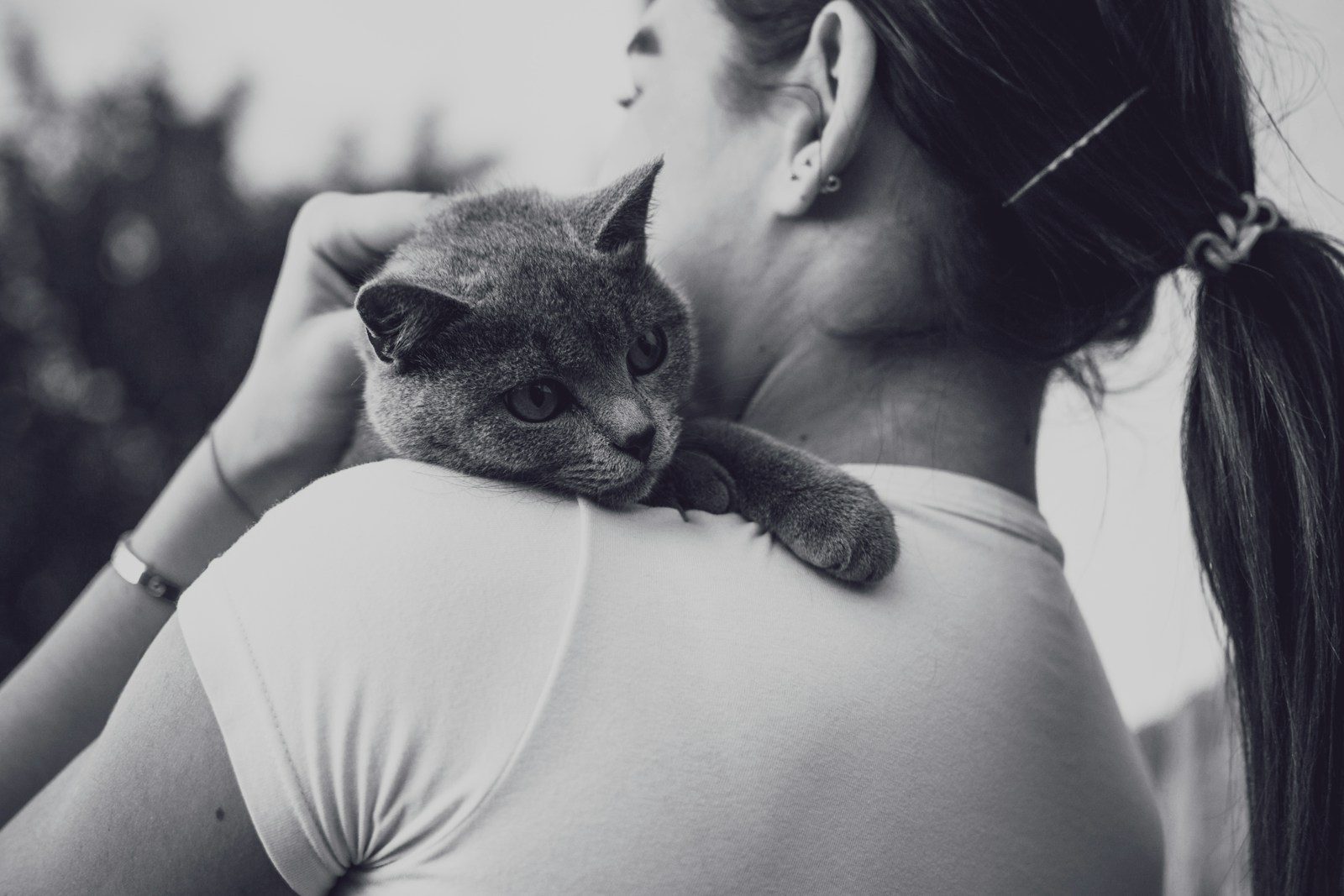
A woman returned home after a weekend trip to find her roommate’s cat had been locked in a bedroom without food for over 24 hours. The cat, which had already seemed anxious, was left to fend for itself while the roommate drove halfway across the state, ignoring repeated messages to come back and check on her pet. This situation took a disturbing turn when a maintenance worker was called to check on the well-being of the cat, leading to a series of consequences that left the owner scrambling.
The cat’s owner, referred to as “the roommate,” had made an impulse decision to bring the cat into her home. Unfortunately, this choice seemed to come with little forethought, resulting in a traumatized animal and a chaotic living space. The roommate’s negligence put both her and the cat in a precarious position, which raised questions about her commitment to pet ownership.

Upon realizing the cat was in distress, the concerned roommate reached out for help and advice on Reddit. After receiving a flurry of responses, she decided to contact the landlord, explaining the situation in hopes of intervention. The landlord’s initial response indicated that they would need evidence of neglect in order to take action regarding the pet.
A maintenance worker was dispatched to open the locked door. When they managed to gain access, the extent of the disarray was shocking. The cat was unharmed, which was a relief, but there was no food or water in the room. The landlord later came to verify the condition of the apartment, and her reaction was a mix of disbelief and concern. The roommate arrived during this investigation, just as the landlord was assessing the messy environment.
The interaction between the landlord and the roommate was tense. The roommate offered excuses for her absence, claiming it was “an honest mistake” and that she was already on her way home. Meanwhile, the landlord made it clear that the negligence was serious enough to warrant official action. It was decided that she would receive a notice for violating the lease, face a monetary fine, and be required to find a new home for her cat within seven days.
People had very different reactions to the unfolding situation. Some commenters expressed anger toward the roommate, questioning how anyone could neglect an animal so severely. Others pointed out that the landlord’s swift actions were necessary to protect the cat’s welfare. There were also those who felt sympathy for the roommate, believing she needed support rather than punishment.
As the roommate faced the consequences of her actions, it became clear that her stubbornness could lead to further complications. Removing evidence of the cat’s existence, like the litter box and other signs of the pet, might not be on her priority list. The roommate’s disbelief in the severity of her actions raised concerns about what she might do next.
While the concerned roommate planned to leave town for the weekend, she couldn’t shake the feeling of uncertainty. It remained unclear whether the roommate would truly comply with the landlord’s demands. If the cat returned to a similar situation, it could result in even more drastic measures being taken, leaving the original poster contemplating her role in the whole mess moving forward.
This scenario offers an unsettling glimpse into the responsibilities of pet ownership and the complexities that arise in shared living spaces. As the situation continues to evolve, one can’t help but wonder: how far will the roommate go to avoid taking responsibility, and what will happen to the cat in the end?
More from Decluttering Mom: