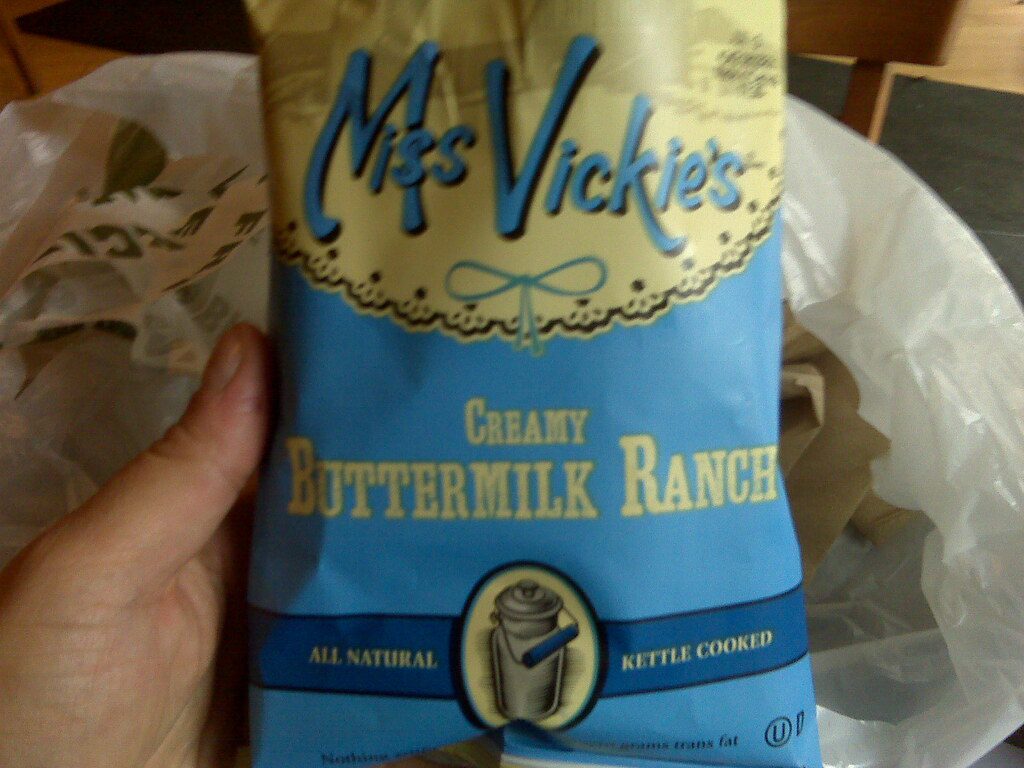
A routine snack run turned into a minor horror story for a Georgia shopper who opened a bag of Miss Vickie’s chips and spotted something that clearly did not belong in a kettle-cooked potato slice. What looked at first like extra seasoning turned out to be a cluster of tiny bodies seemingly baked into the chip itself, prompting a wave of disgusted reactions online and fresh questions about how such a contaminant could slip through modern food safety systems. The unsettling find has become a flashpoint for broader anxieties about what consumers cannot see inside the foods they trust.
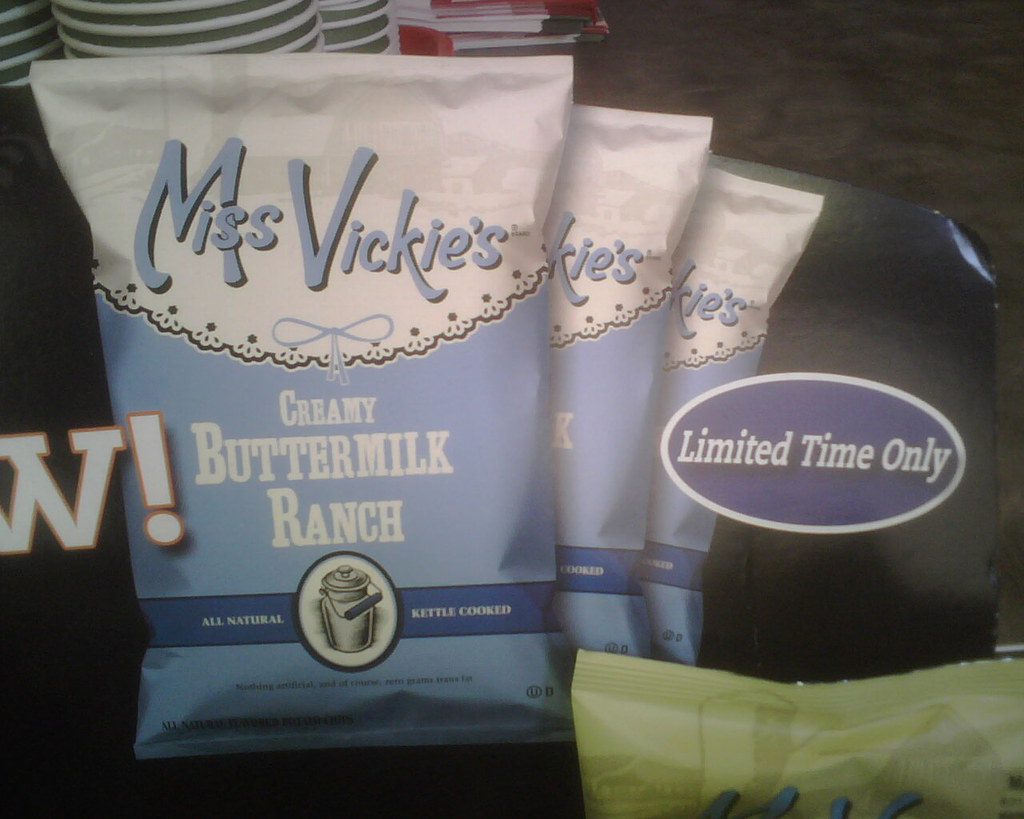
‘I Think This One Is On Sam’s Club’: A Georgia Snack Turns Viral
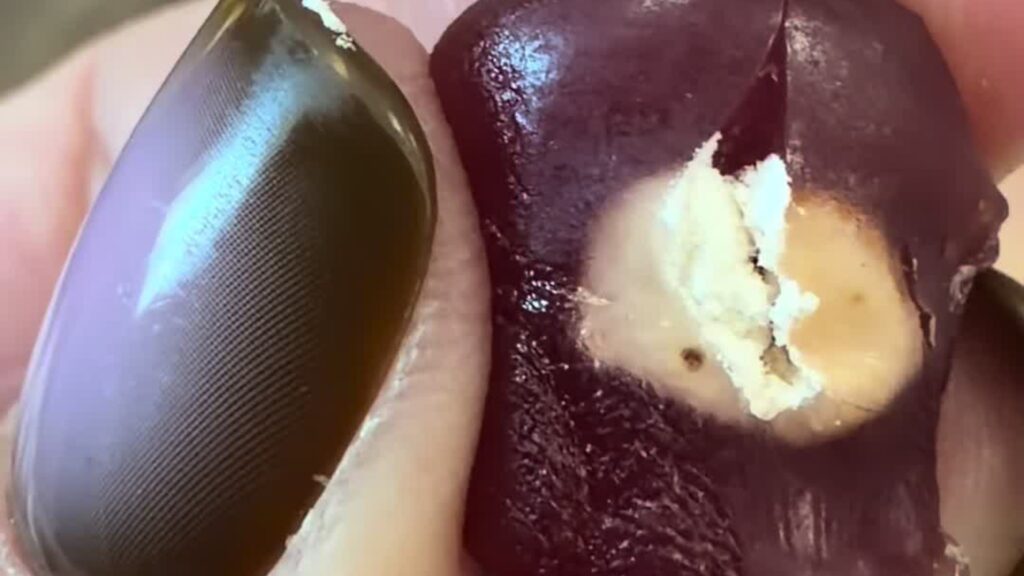
The incident began when a Georgia woman opened a box of Miss Vickie’s chips and tore into one of the individual bags, only to notice something strange fused into the surface of a chip. She quickly realized the dark specks were not seasoning but what appeared to be multiple ants, their bodies flattened and crisped along with the potatoes. The shopper, identified in coverage as Jan, shared images and video that zoomed in on the chip, highlighting the insect shapes that seemed to be embedded in the fry-like ridges of the kettle-cooked slice, a detail that made the discovery feel less like a stray contaminant and more like a production failure baked in from the start.
Jan’s reaction captured the mix of revulsion and resignation that often follows these food-safety scares. In her commentary, she suggested that while Miss Vickie might ultimately be responsible for the quality of the chips, “I think this one is on Sam’s Club,” pointing to the warehouse retailer where she had purchased the variety pack. Her complaint underscored how consumers often see little distinction between the brand that manufactures a snack and the big-box store that sells it, especially when something inedible shows up inside a sealed bag in a larger box. The fact that the offending chip came from a multi-bag variety pack only amplified the unease, since it raised the possibility that other bags in the same box could contain similar surprises for unsuspecting buyers in Georgia and beyond.
How Something Gets Baked Into A Chip
Food safety experts often distinguish between contaminants that fall into a package after production and those that appear to have been processed along with the food itself. In this case, the insects looked as if they had gone through the fryer with the potatoes, their outlines pressed into the chip’s surface rather than resting loosely on top. That detail suggests the ants were present somewhere along the production line before the slices hit hot oil, potentially on raw potatoes, conveyor belts, or other equipment. Once the chip is cooked and seasoned, any foreign object that has been fried into it becomes far harder to detect, both for quality-control cameras and for workers who visually inspect the finished product.
Jan’s video, which zoomed in on the chip and its insect-shaped inclusions, fueled speculation about where exactly the contamination might have occurred. Viewers pointed out that the ants appeared uniformly cooked, which would be consistent with them entering the process early, before the potatoes were sliced and fried. That visual evidence aligns with broader concerns about how pests can infiltrate large-scale food operations, from storage areas where raw potatoes are held to the machinery that moves them along the line. The fact that the insects seemed to be part of the chip itself, rather than loose in the bag, made the discovery feel more like a systemic lapse than a one-off accident, a perception that spread quickly as the clip circulated and more people watched Jan notice “something strange baked into the potatoes” and react in real time to the ants.
From Isolated Horror To Wider Consumer Anxiety
Although the Georgia case is shocking, it is not the first time a snack-food brand has faced scrutiny over unexpected creatures turning up in sealed packaging. Back in 2016, an Oregon customer reported finding a spider baked into a chip, a case that prompted questions about where along the production chain such contamination might have occurred and whether existing safeguards were sufficient to catch it. That earlier incident, like Jan’s discovery, highlighted how even heavily automated plants can struggle to keep pests out of complex systems that handle large volumes of raw agricultural inputs, and it showed how quickly a single disturbing image can travel once it hits social media and local news in Oregon or Georgia.
The viral spread of Jan’s video also reflects a broader shift in how consumers police brands. Platforms like TikTok and Instagram have turned everyday shoppers into de facto inspectors, able to broadcast a single contaminated chip to millions of potential customers in hours. That dynamic has already reshaped other corners of the economy, from beauty products to small-batch goods sold by creators like Soap maker Jessie Whittington, who has said she built her business on TikTok and now worries that a potential ban could deal a “huge hit” to her sales. For major snack brands, that same ecosystem can turn a single quality-control failure into a reputational crisis, as viewers replay the moment a Georgia woman opens a box of Miss Vickie’s chips and realizes that what she thought was a harmless crunch actually contains a cluster of ants. The result is a heightened sense of vulnerability around everyday foods, and a reminder that in the age of viral video, even one tainted chip can carry outsized consequences.
More from Decluttering Mom: