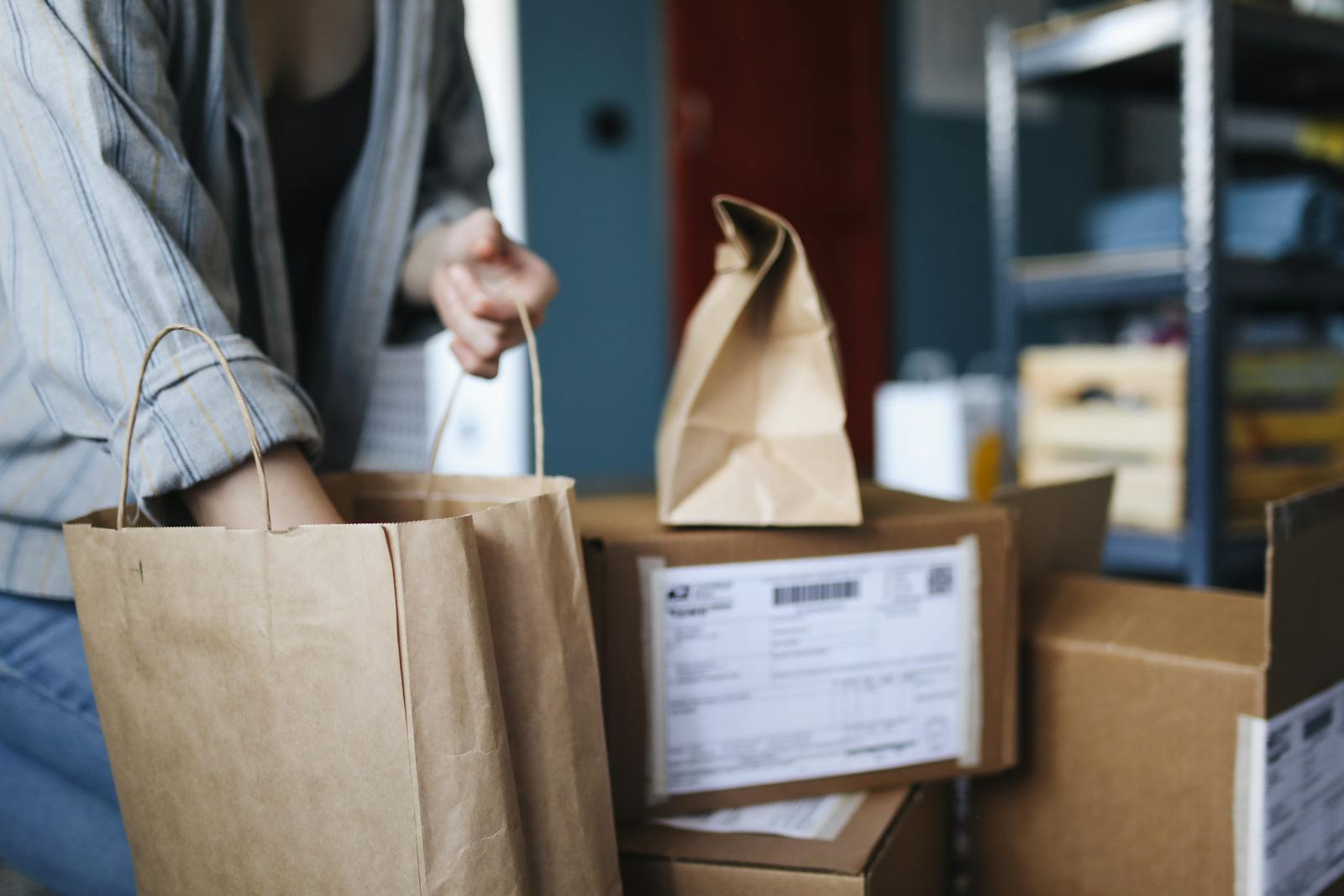
Online shoppers expect a certain baseline when they click “buy now” on a big, trusted platform: the item should arrive, it should resemble the listing, and it definitely should not look like it was scooped off a discount bin. Yet a growing number of customers are opening boxes that feel more like dollar store grab bags than the premium products they thought they ordered. The gap between glossy product pages and what lands on the doorstep is becoming a fertile space for scams, confusion, and a lot of unwanted cardboard.
What looks at first like a one-off bad purchase can, in some cases, be a sign of something more troubling, from identity misuse to elaborate seller schemes that exploit the world’s biggest marketplaces. I want to unpack how a single disappointing delivery fits into a much wider pattern of online shopping tricks, why the problem is so hard to stamp out, and what ordinary buyers can do when their “great deal” turns out to be a box of junk.
From glossy listing to junk-filled box
The story usually starts the same way: a shopper scrolls through a popular marketplace, sees a product with professional photos and glowing reviews, and places an order without a second thought. The platform’s reputation does a lot of the trust-building, especially when the site is as familiar as Amazon, where the sheer volume of listings can make it hard to distinguish a legitimate brand from a fly-by-night storefront. When the package arrives and the contents look like random dollar store leftovers, the shock is not just about the low quality, it is about the realization that the platform’s guardrails did not work as expected.
In my reporting, I have seen buyers describe boxes stuffed with flimsy plastic trinkets, off-brand electronics that barely power on, and clothing that bears no resemblance to the sizing or fabric promised online. The packaging often mimics legitimate shipments, complete with barcodes and branded tape, which makes it harder for customers to tell whether they are dealing with a simple fulfillment error or a seller who never intended to send the advertised item in the first place. That ambiguity is exactly what some bad actors rely on, because it slows down complaints and lets them rack up more sales before the platform intervenes.
When one bad order turns into a flood of boxes
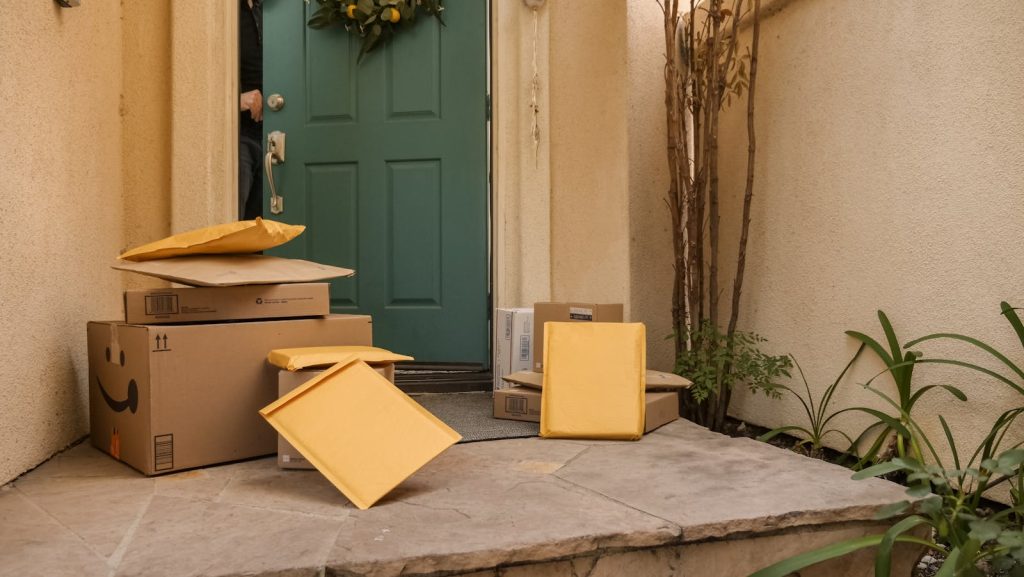
Sometimes the problem does not stop with a single disappointing delivery. In one widely shared case, a woman in San Jose found her driveway filling up with large packages that she had never ordered, all tied to third-party sellers using her address as a convenient dumping ground. Video of the scene showed boxes stacked so high they blocked part of her carport, a visual reminder of how quickly a private home can be turned into a logistics overflow site when something goes wrong in the supply chain. The clip of Jul Holton, who lives in San Jose, circulated on social media as she tried to make sense of why hundreds of these large Amazon packages kept appearing at her door.
Local consumer advocates later traced her ordeal to an overseas online seller that had apparently plugged her address into its return system, effectively turning her into an unpaid warehouse. Coverage of the case showed how the pile of boxes grew over time, with Jul Holton eventually describing the experience as overwhelming as the shipments filled half of her carport and spilled into her yard. A detailed segment from a consumer help team known as On Your Side explained that the San Jose woman’s home had become collateral damage in a third-party seller’s attempt to manage returns and inventory, a pattern that was documented when they examined the huge pile of Amazon packages clogging her driveway.
Inside the “brushing” playbook
Cases like that San Jose flood are not just about sloppy logistics, they overlap with a tactic known as a brushing scam, where people receive goods they never ordered so that sellers can game the system. In a typical brushing setup, a seller creates fake orders tied to real addresses, ships low value items, then uses the confirmed delivery to post glowing “verified” reviews under fabricated customer names. The United States Postal Inspection Service has warned that in a Brushing Scam a person receives packages or parcels containing various sorts of items which were not ordered, and that the goal is often to inflate a seller’s reputation rather than to benefit the recipient, a pattern laid out in its detailed Brushing Scam advisory.
For the unsuspecting recipient, the experience can feel surreal: boxes arrive with their name and address, but no record of a purchase, and customer service agents may initially struggle to trace the origin. In some instances, the items are cheap accessories or unbranded gadgets that look like they came straight from a discount bin, which makes them easy to ship in bulk. The real cost is not the junk itself but the fact that someone has enough of a person’s data to create a shipping label, a reminder that the line between nuisance and identity misuse can be thin when physical goods are involved.
How fake deals lure real money
Even when the buyer did place an order, the path to a junk-filled box often starts with a price that seems too good to pass up. Consumer protection specialists have repeatedly flagged “Unusually good deals” as a red flag, especially when the discount is deep on popular brands or in-demand products that rarely go on sale. Guidance aimed at holiday shoppers notes that if prices are “surprisingly low,” particularly when combined with pressure to pay through unconventional methods, it is worth pausing before entering card details, a warning that appears in advice on spotting online shopping scams.
In practice, that means a listing for a high end air fryer at a fraction of its usual cost, or a designer handbag marked down to the price of a fast fashion tote, should trigger extra scrutiny. Scammers know that shoppers are primed to hunt for bargains, especially around big sales events, and they design product pages that look just convincing enough to pass a quick glance. Once the payment clears, the buyer may receive a cheap knockoff, a random low value item, or nothing at all, with the seller banking on the hassle of returns and disputes to keep many victims from ever clawing their money back.
Unwanted packages and the identity question
When boxes start arriving uninvited, the natural fear is that someone has stolen a person’s identity, and that concern is not misplaced. Federal regulators have been trying to raise awareness about how seemingly small data leaks can snowball into bigger problems, including fraudulent accounts and unauthorized purchases. The Federal Trade Commission has even built out events like Identity Theft Awareness Week, described as a series of sessions that, from January 26 to 30, bring together the FTC and partners to walk people through how to avoid misuse of their personal information, a focus highlighted on the agency’s main FTC site.
In the context of mystery parcels, the key question is whether the recipient’s financial accounts have been touched or whether their address is simply being exploited for shipping. Regulators advise checking bank and card statements, monitoring credit reports, and treating any unexpected package as a potential sign that personal data is circulating in places it should not be. Even if the boxes turn out to be part of a brushing scheme rather than direct fraud, the fact that a name and address are in play is a reminder to tighten privacy settings, update passwords, and consider credit monitoring before a nuisance turns into a full blown identity theft case.
What everyday shoppers are seeing on the ground
Beyond formal advisories, some of the clearest snapshots of how these schemes play out come from ordinary customers comparing notes online. In one widely discussed thread, a user posting under the name Western described being “continuously receiving unwanted packages” from a major marketplace, with no corresponding orders in their account history. In the Comments Section, another participant explained that this pattern is often linked to what they called a brushing scam, and suggested that the recipient could search the term to understand why their address was suddenly so popular with anonymous sellers, a conversation captured in a Reddit thread about unwanted packages.
Those peer-to-peer exchanges also surface practical tips that do not always make it into official guidance, such as how to document each delivery, when to refuse a package at the door, and how to push a platform’s customer service beyond scripted responses. Some users recommend setting up a secure parcel locker or using an alternate address for high value orders, while others focus on cleaning up their digital footprint by pruning old accounts and unsubscribing from newsletters that may share data with third parties. The common thread is a sense that shoppers are increasingly on their own to spot patterns and protect themselves, even when the problem originates with sellers operating inside big, familiar platforms.
Parcel pickup tricks and delivery-stage scams
Not every scam hinges on what is inside the box; some target the delivery process itself. Logistics experts have warned about schemes where fraudsters pose as couriers or customer service agents to redirect parcels or harvest payment details under the guise of resolving a shipping issue. One particularly dangerous and increasingly common tactic has been dubbed the DPD pickup scam, in which a scammer pretends to be an employee of a delivery company and persuades the victim to change the pickup or drop-off method, supposedly to simplify the process, a pattern described in detail in a warning about the DPD pickup scam.
In those scenarios, the victim may never even see the junk item they supposedly ordered, because the package is intercepted or rerouted before it reaches their door. The scammer’s goal is often to get the target to click on a fake tracking link, enter card details on a spoofed website, or pay a bogus “redelivery fee” that opens the door to further charges. When combined with misleading marketplace listings, these delivery-stage tricks create a layered threat: a shopper can be misled at the point of purchase, then hit again when they try to track or receive the item, all while believing they are dealing with legitimate logistics partners.
Why platforms struggle to police third-party sellers
Large marketplaces have built their empires on the backs of third-party sellers, a model that brings in a vast range of products but also makes quality control more complex. When a woman orders a premium gadget and ends up with dollar store junk, the seller behind that listing may be operating from overseas, using multiple storefronts, and cycling through product pages faster than the platform can investigate complaints. The San Jose case involving Jul Holton, where an overseas online seller used her home address as a return destination, underscored how difficult it can be for even a major platform to monitor every creative misuse of its systems, as consumer advocates noted when they examined how that third-party seller turned her property into an accidental returns hub.
Platforms do deploy algorithms to flag suspicious behavior, such as sudden spikes in five star reviews or high refund rates, but determined scammers adapt quickly. Some rotate through product categories, others hijack dormant listings with good histories and quietly swap in new images and descriptions. For shoppers, the result is a marketplace where legitimate small businesses sit side by side with bad actors, and where the burden often falls on the buyer to scrutinize listings, check seller histories, and read reviews with a skeptical eye before trusting that what is in the box will match what is on the screen.
Turning junk into leverage and protecting yourself
Supporting sources: How I Made.
More from Decluttering Mom: