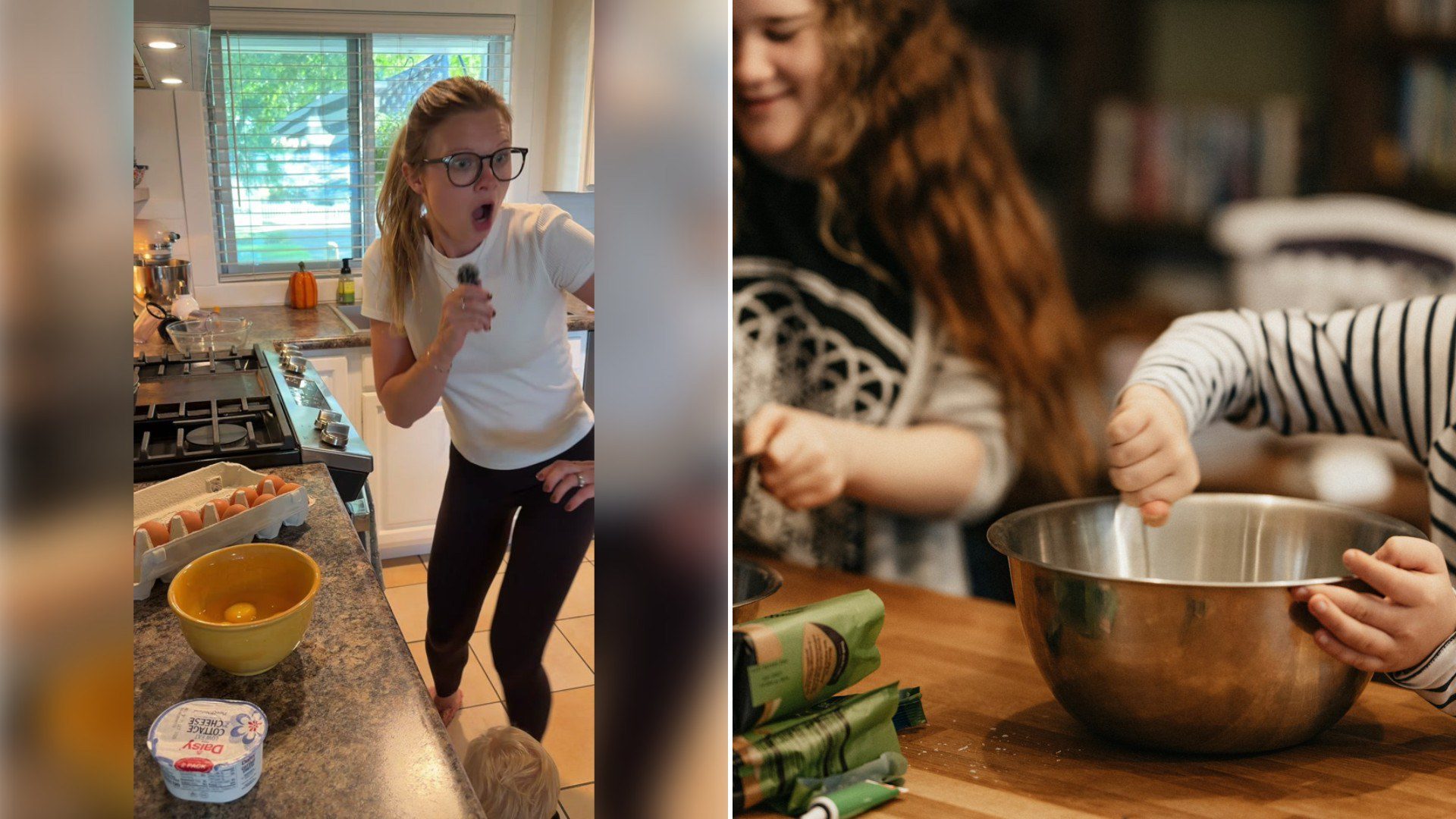
Anyone who has ever tried to explain to a non-parent exactly how loud a small child can get knows the challenge: words alone rarely do it justice. A creator posting under the handle chaoswithtaylor solved that exact problem in a recent video by skipping the description entirely and simply reenacting her children’s screaming meltdowns herself, complete with the same over-the-top volume and intensity, to prove definitively just how loud things actually get in her house.
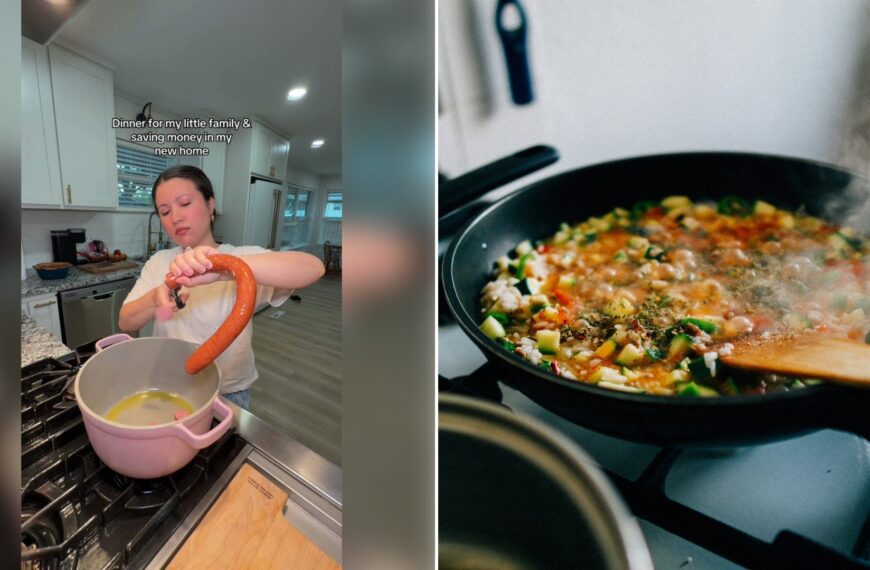
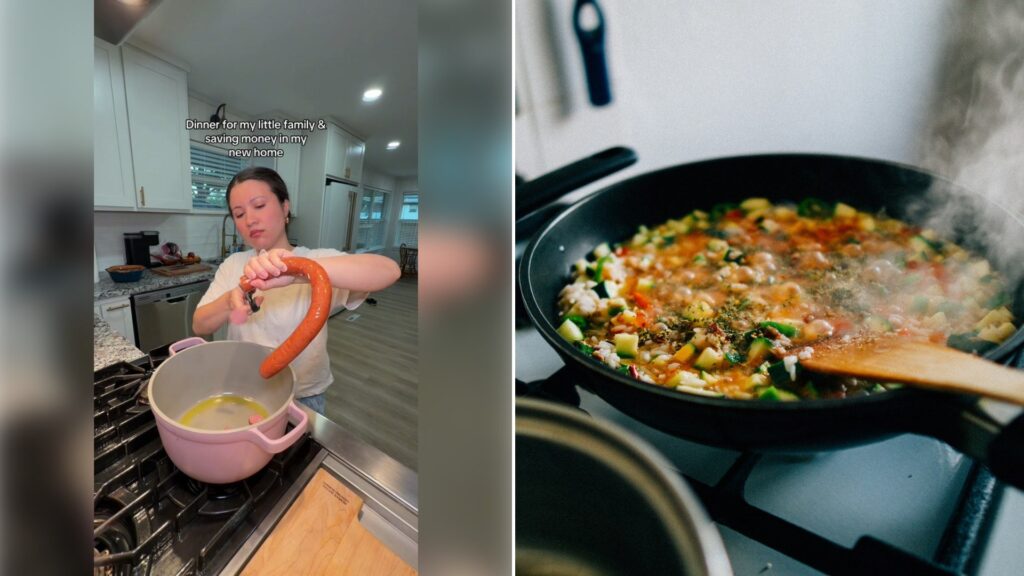
The video’s origin makes the moment even funnier: according to her caption, she was in the middle of filming an entirely different vlog about making dinner, casually explaining how sensitive her microphone is, when the demonstration essentially became necessary in real time — turning an unrelated cooking video into an impromptu, hilariously accurate showcase of exactly the noise level she’d just been describing.
@chaoswithtaylor I was literally in the middle of filming a vlog while making dinner, talking about how my mic picks up my kids so much better through all the chaos… Then I turned around and there was a flipping FIRE. 🔥 My 5 yo had plugged a LiPo battery into his little RC snowmobile because he thought he had the right battery. Safe to say I need to work on my crisis management skills 🤣🫠
The clip clearly landed with an audience well beyond her usual reach, pulling in approximately 2.2 million views from an account with about 11,800 followers — a dramatic jump in visibility that suggests this specific brand of parenting comedy, rooted in complete honesty about the noise level of raising kids, resonated widely.
Every parent eventually develops a kind of selective hearing simply to survive the volume of daily life with small children, and it’s only when trying to explain that reality to someone outside the household — a childless friend, a coworker, a microphone picking up every decibel in painful clarity — that the true scale of it becomes obvious again. What sounds like background noise to a desensitized parent often registers as genuinely shocking to anyone hearing it fresh, which is exactly the gap this video captures so effectively.
There’s also something quietly cathartic about a parent reenacting her own children’s meltdowns rather than simply complaining about them. It flips the frustration into comedy, giving her a way to process and share the exhausting reality of screaming toddlers without framing it as a complaint about her kids specifically. The joke is really about the sheer, disbelief-inducing volume of it all — a shared parenting experience rather than a criticism of any particular child.
For parents living with their own version of this exact noise level, the video offers a small but genuine form of validation: the volume isn’t in your head, and it isn’t a sign that something is uniquely wrong with your household. Small children are, across the board, capable of producing sound at a scale that genuinely surprises adults who haven’t spent extended time around them, and normalizing that reality — rather than assuming every other family’s home is somehow quieter — tends to ease some of the guilt parents feel about their own noisy households.
Ultimately, what makes chaoswithtaylor’s reenactment so widely shared isn’t just the comedy of it, though that certainly carries the video. It’s the underlying relief so many parents feel watching someone else confirm, at full volume, that yes, kids really are that loud, and no, you’re not imagining it.
Audio engineers who work with content creators often note that microphones pick up sound with a sensitivity and clarity the human ear naturally filters out over time, which is part of why a sound that feels like ordinary background noise in person can seem shockingly loud once captured and played back through a recording. That gap between lived experience and recorded reality is exactly what turned an unrelated cooking vlog into unplanned comedic proof of a parenting claim.
There’s a long tradition in parenting humor of reenactment as a coping mechanism, using exaggeration and performance to process something that would otherwise be purely frustrating. Turning a source of daily stress into a piece of shared comedy doesn’t make the noise itself any quieter, but it does change a parent’s relationship to it, transforming an ongoing irritant into a story worth telling rather than just enduring.
For parents living with their own high-volume household, noise-canceling options for personal use during especially loud stretches, along with simply normalizing the expectation that toddlers are loud by nature rather than a reflection of parenting style, tend to reduce the low-grade stress that builds up around a challenge that, as this video makes clear, is shared by essentially every household with small children in it.
It’s also worth noting that this kind of loud, chaotic household energy tends to ease naturally as children get older and develop more self-regulation, even though it rarely feels that way to a parent in the thick of the toddler and preschool years. Reenactments like chaoswithtaylor’s serve as a useful, funny time capsule that many parents look back on fondly once the loudest years have quietly passed and the house, for better or worse, has gotten noticeably calmer.
There’s also a reminder here that even mundane, unrelated content — a dinner vlog, a cooking tutorial — can end up capturing some of the most memorable and relatable parenting moments purely by accident, simply because real life with kids has a way of interrupting even the most carefully planned recording session, often for the better.
In the meantime, plenty of parents will keep finding themselves in similarly absurd, unplanned demonstrations of exactly how loud their households can get, camera rolling or not.