A grandmother who once rearranged her life to provide free childcare for her son is now drawing a hard line, refusing to keep babysitting her grandchildren after years of feeling taken for granted. Her story, shared online and echoed in similar accounts from other families, has ignited a wider debate about what adult children can reasonably expect from grandparents and where healthy boundaries begin.
At the heart of the conflict is a simple but emotionally loaded question: when does loving support turn into unpaid, unacknowledged labor that strains relationships instead of strengthening them? The answer, judging by the reactions pouring in, depends less on biology and more on respect, communication, and consent.
The breaking point: late pickups, no pay, and a grandmother who has had enough
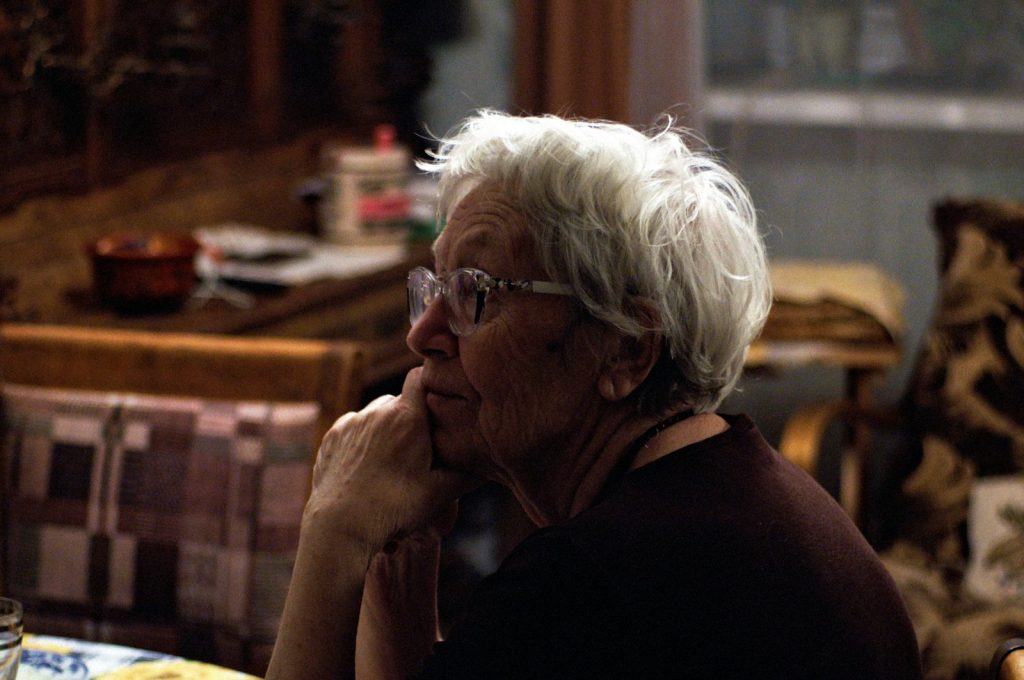
In one widely discussed case, a woman described how she and her husband had been the primary caregivers for their two grandchildren, now 2 and 4, since the children were born. What began as a manageable favor gradually expanded into a standing arrangement in which she watched the kids full time while her son and daughter-in-law worked, with no formal pay and little acknowledgment of the toll it took on her own life. According to her account, the couple routinely showed up late, sometimes by hours, and brushed off her frustration, which left her feeling that her time and energy were invisible.
After yet another late pickup, she finally told her son that if he and his wife could not respect agreed-upon hours or contribute financially, they would need to find other childcare. That decision, described in detail in a post that has been summarized as Woman Refuses, marked a clear shift from quiet resentment to explicit boundary setting. In a related breakdown of the same situation, she explained that what hurt most was not just the money, but the sense that her son and daughter-in-law treated her retirement as an endless resource to be tapped, rather than a stage of life she had earned for herself, a dynamic that left her wondering if she should go low contact if they refused to adjust.
Online backlash and support: grandparents push back on “free nanny” expectations
Her dilemma resonated with a wave of other grandparents who say they feel similarly overburdened. In a separate account, a Grandmother described feeling “put upon” by her daughter, who expected regular babysitting but bristled at the idea of paying for that time. Commenters framed the issue not as a lack of love for the grandchildren, but as a matter of fairness: if childcare is work when done by a stranger, they argued, it is still work when done by a relative, especially when it is frequent and structured around parents’ jobs rather than occasional fun visits.
Another viral story followed a retiree who declined to become a full-time caregiver after leaving the workforce, only to have her son react with anger and financial pressure. In that narrative, summarized under the line Retirement, the woman had imagined her later years as a chance to travel, rest, and pursue long-delayed interests, not to step into a second unpaid career. When she refused to take on full-time nanny duties, her son reportedly “made her pay” in other ways, a reaction that many readers saw as emotional manipulation rather than a good-faith negotiation between adults. A follow-up reflection on the same case, framed around the idea that what is “Going to happen, will happen, Always happen,” suggested that unless grandparents clearly define limits early, they risk sliding into obligations that are very hard to unwind, a point captured in the commentary tagged Going.
When “helping out” becomes a battleground over space, autonomy, and respect
The tension is not only about hours and money, it is also about control over space and routines. In another widely shared account, a mother of young children said she was “annoyed” that her own mom refused to babysit the grandkids at the grandmother’s house. The younger woman wanted the convenience of dropping the children off so she could handle errands and work, but her mother preferred to help in smaller, more defined ways that did not turn her home into a permanent playroom. That clash, described in coverage under the phrase Woman Is, highlighted how expectations can diverge sharply even when both generations say they want a close relationship.
Further reporting on the same situation, labeled with the emphatic tag NEED, noted that the grandmother had her own commitments, including tasks as mundane as needing time to take down holiday decor, and did not want to reorganize her entire home around childcare. Online, many readers sided with the older woman, arguing that grandparents are entitled to decide how much of their personal space and schedule they are willing to give up, and that adult children who feel “annoyed” by those limits may be underestimating the physical and emotional load of daily caregiving.
Reddit, AITA, and the new etiquette of grandparent boundaries
Much of this debate is unfolding in real time on platforms where family disputes are dissected in granular detail. The grandmother who stopped watching her son’s children initially shared her story on Reddit, inviting strangers to weigh in on whether she was being unfair. Another write-up of her post, framed around the question “So, AITA for making them figure something out,” captured how she turned to the shorthand of Now and AITA culture to test her instincts against a broader social norm. Many commenters told her that setting limits did not make her cruel, it made her a person with a life outside her role as “Grandma.”
In a separate summary of the same saga, tagged with the phrase One and Dec, the woman is portrayed as “finally learning how to set boundaries with her family after years of feeling taken for granted.” That framing reflects a broader shift in how people talk about unpaid care work, especially for women who have already spent decades raising children of their own. The emerging etiquette is blunt: grandparents can be loving and involved without becoming default childcare, and adult children who rely on them must treat that help as a gift, not an entitlement.
More from Decluttering Mom: