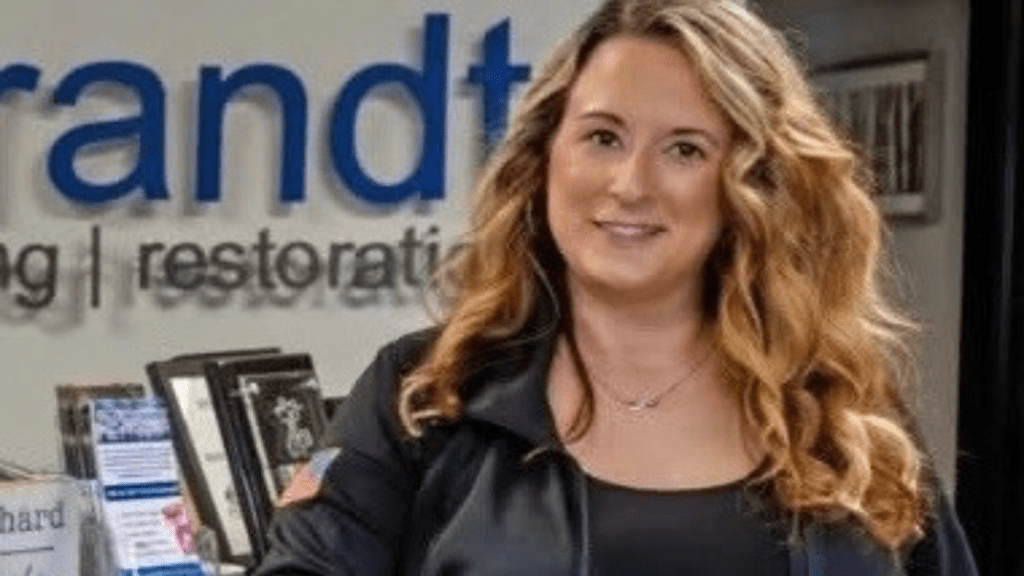
You travel through headlines every day, but this one stops you: a woman says a nose job at an Ecuador clinic left her tied to a bed and struggling to breathe. She woke up alone, given pills to self-administer, and later needed hospital care after severe bleeding.
This post breaks down what happened at the clinic nicknamed the “House of Horrors,” how the botched procedure affected her health and appearance, and why the case sparked public outrage and calls for investigation. Expect clear facts, eyewitness details, and the bigger-picture questions about safety and accountability in medical tourism.
Allegations of a Botched Surgery and Patient Experience
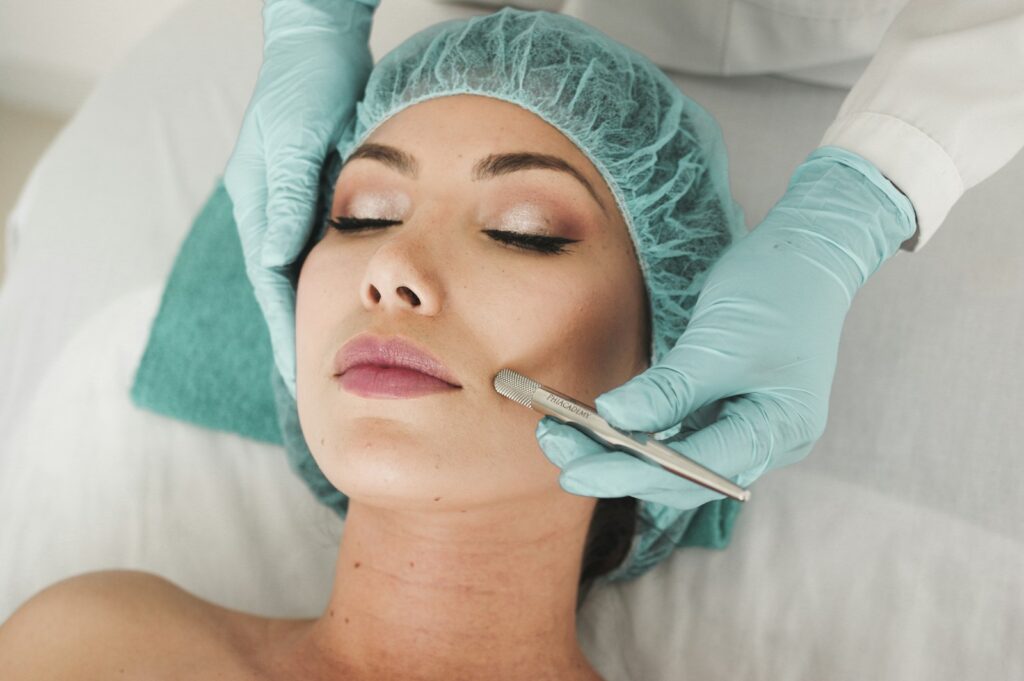
The patient reports severe lapses in clinical care, poor post-operative monitoring, and lasting physical and emotional harm. She describes the operation, the immediate recovery period, and the complications that followed.
Nose Job Procedure at the ‘House of Horrors’ Clinic
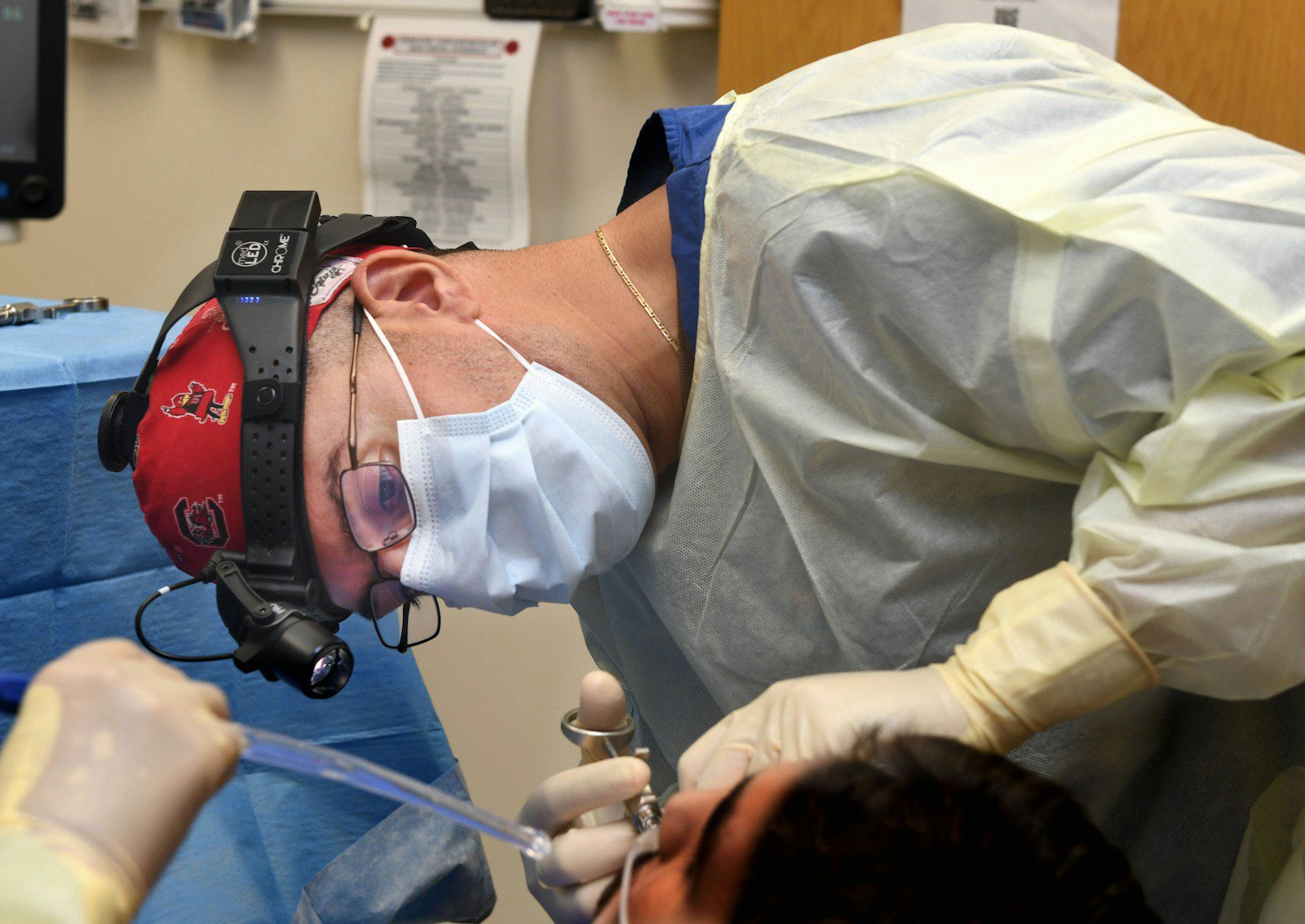
She traveled to a clinic in Ecuador for a combined neck lift and rhinoplasty. According to her account, there was no anesthesiologist present; staff handed her oral pills and told her to take them without supervised sedation. That departure from standard practice—no IV sedation, no monitored anesthesia care—raises clear safety concerns.
The patient says the surgical outcome left her with breathing difficulty and asymmetry. She later sought revision surgery in Los Angeles after emergency treatment for bleeding. Readers should note the clinic’s nickname and the specific procedural complaints: lack of anesthetic oversight, inadequate intraoperative monitoring, and an unsatisfactory cosmetic result.
Waking Up Tied to the Bed
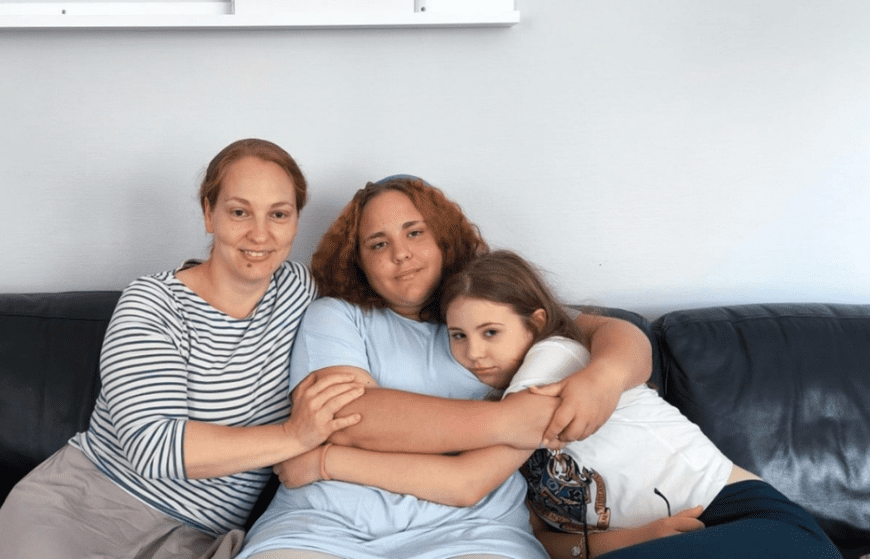
She says she regained consciousness alone and found herself restrained to the bed. Staff reportedly were not present to monitor her airway, breathing, or hemodynamic status as she emerged from sedation. That situation increases risk for airway compromise, uncontrolled bleeding, and delayed recognition of complications.
She also alleges staff gave aspirin immediately after surgery, which contributed to significant hemorrhage requiring transfusion. The account states she had to be treated at a Los Angeles hospital where she received three pints of blood. The combination of unsupervised recovery and administration of anticoagulant agents is central to her complaint.
Physical and Emotional Aftermath
Physically, she reports persistent nasal obstruction, asymmetry, and scarring from both the primary procedure and subsequent revisions. The emergency bleeding episode and transfusion suggest the complications were serious enough to require tertiary care. She later had revision lower-face and neck work to address functional and aesthetic issues.
Emotionally, she describes feeling frightened, betrayed, and traumatized by how staff handled her care. The incident led to ongoing distrust of cosmetic providers and a public recounting of events on a televised consult. Those reactions highlight both medical and psychological consequences when perioperative standards are not followed.
Public Reaction and Calls for Investigation
The story ignited outrage over alleged patient mistreatment and demands for accountability. People pushed for criminal probes, medical board reviews, and clearer records of the clinic’s licensing and staff credentials.
Media Coverage of the Incident
Local TV stations and national outlets picked up the case after family members posted photos and a video showing the woman restrained on a bed. Reporters confirmed that emergency responders treated her at a hospital; coverage emphasized the graphic nature of the injuries and the woman’s account that the clinic staff called it a “house of horrors.”
Journalists obtained statements from a neighbor who described repeated ambulance visits to the address. Coverage highlighted gaps in public records about the clinic, prompting reporters to request inspection reports and practitioner license statuses from state regulators. Social posts amplified the story, driving viewer pressure on authorities to act quickly.
Concerns Over Cosmetic Surgery Safety
Medical boards and patient-advocacy groups called for immediate review of the clinic’s practices, citing risks of infection, anesthesia errors, and unlicensed procedures. Experts told journalists that proper consent, sterile technique, and post-op monitoring are essential; those safeguards appeared absent in this case.
Advocates urged clearer verification for clinics and practitioners — for example, confirming licensure online before booking procedures and requiring visible display of credentials on clinic premises. They also recommended that patients share before-and-after documentation and report adverse events to state health departments to trigger inspections.
(Reporting included images and firsthand accounts from family members and neighbors; regulators have since been asked to release inspection findings and license checks.)
More from Decluttering Mom: