It started as something small but slowly became exhausting. One woman shared how a friend had been trying to offload clothes onto her for a long time, turning what might seem like a generous gesture into something that felt uncomfortable and imposing. In her post, she explained how difficult it was to keep declining without sounding rude, especially when the clothes simply were not her style. Over time, it stopped feeling like kindness and started feeling like pressure. She eventually shared her experience on Reddit, opening up about how she handled the situation and what it taught her about boundaries and letting go. You can read the original post here.
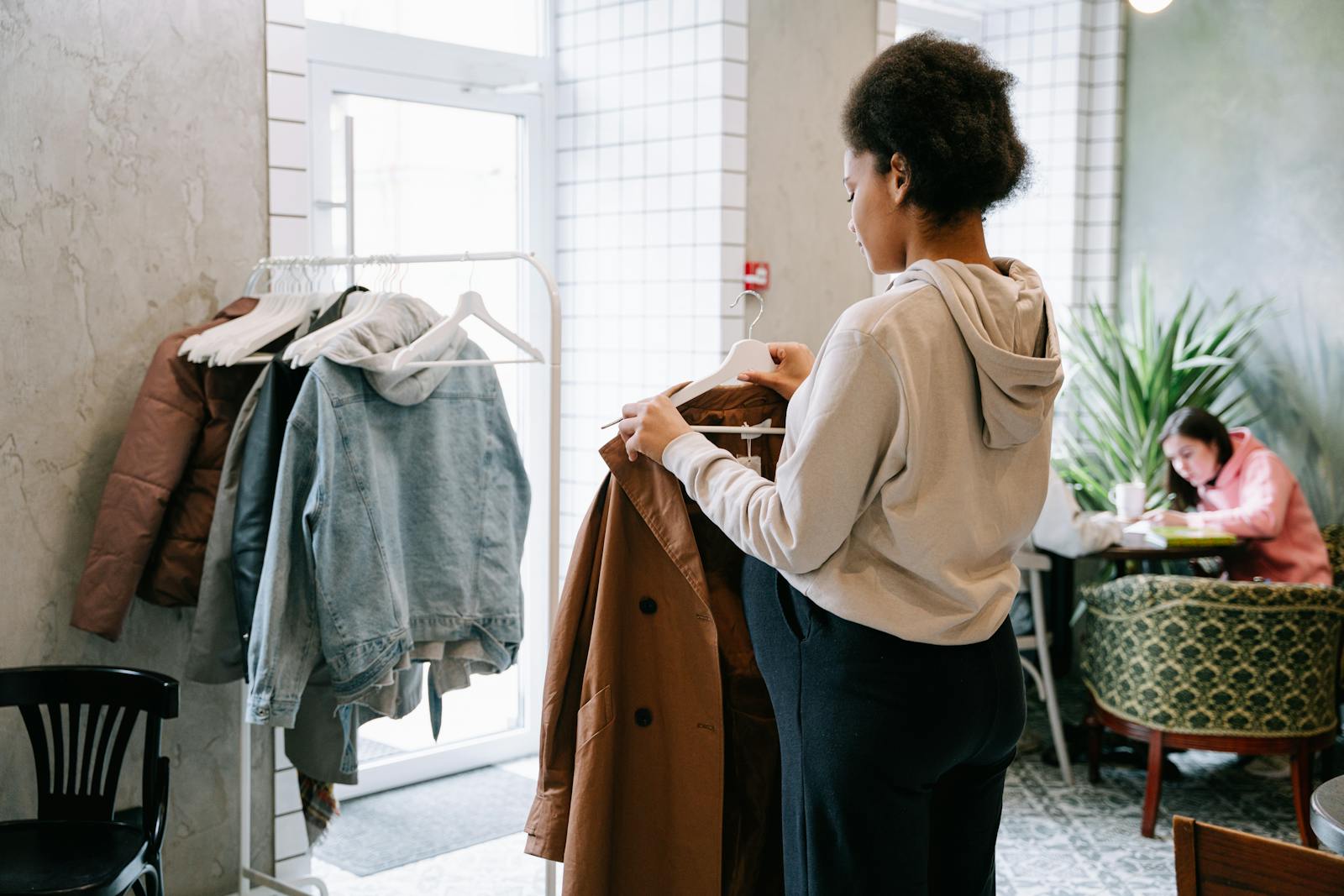
When “Gifts” Start to Feel Like Pressure
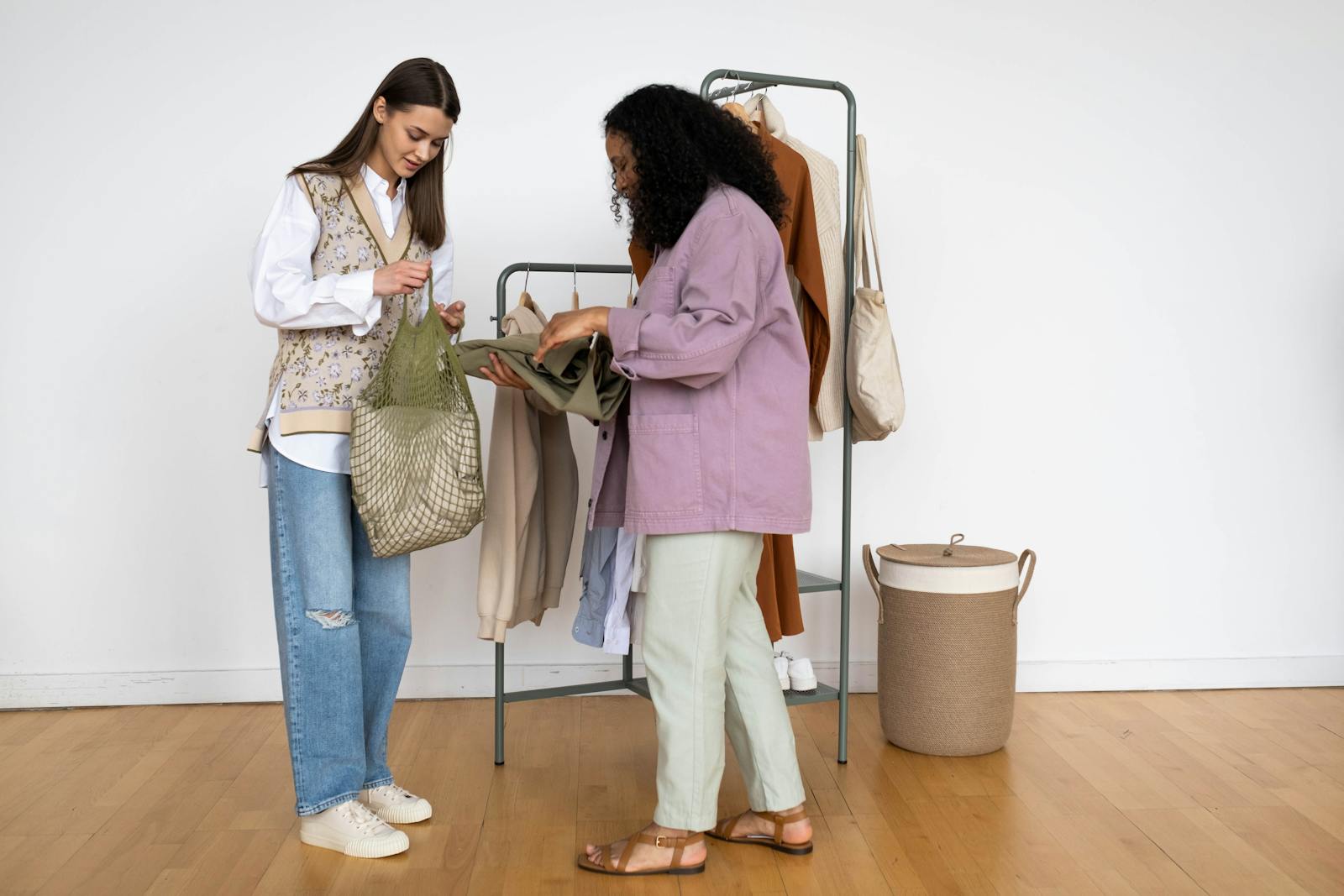
At first, it was just a stack of dresses here and there. But the pattern kept repeating. Her friend continued offering clothes, and each time she found herself in the same awkward position of having to say no. She admitted that there was no easy way to explain that the style simply did not suit her without risking hurt feelings. The situation became even more frustrating because it felt less about generosity and more about her friend needing somewhere to offload items she no longer wanted.
What made it worse was the emotional pressure behind it. Saying no once is manageable, but having to repeat it over and over again can wear anyone down. She began to realize that accepting the clothes just to be polite would only add to her own stress, especially since clutter already made her anxious. Homes filled with excess items, including her friend’s, were environments she found difficult to relax in.
Choosing Boundaries Over Politeness
Instead of giving in, she made a decision to stand her ground. Around the same time, she committed to a serious decluttering process inspired by a more intentional approach to what she kept in her space. This was not a casual cleanout. She described it as ruthless, removing a significant portion of her belongings in one sweep.
That decision ended up changing more than just her physical space. By clearing out half her closet, she unintentionally sent a clear message. The offers stopped. Her friend finally backed off, and the pressure disappeared. For the first time, she felt like she had taken control of her environment instead of managing someone else’s overflow.
Decluttering Became Something Deeper
For her, this was not just about clothes. It was part of a larger personal shift. She shared that she is currently in recovery from alcohol addiction and had recently reached 69 days sober. The act of decluttering felt symbolic, almost like shedding an old version of herself and creating space for a new chapter.
Letting go of physical items mirrored the internal work she was doing. It gave her a sense of clarity and renewal. She even described feeling like she had a completely new apartment, one that matched the life she is building now. The process was not just practical. It was emotional, healing, and deeply personal.
Others Shared Similar Experiences
Her story resonated with many people who had experienced similar situations. One commenter shared how a neighbor once dumped a pile of clothes on them, assuming they would be appreciated. Instead, they quietly redirected those items to a thrift store the neighbor did not use. It became an easy way to maintain boundaries without confrontation.
Another commenter expressed frustration with the idea that passing unwanted items to someone else is automatically helpful. They described receiving multiple bags of worn out clothes that were clearly not the best items available. It felt less like generosity and more like shifting the burden. Over time, their lack of use for those items seemed to send a message, and the behavior eventually stopped.
The Line Between Helping and Offloading
A recurring theme in the responses was the difference between genuine giving and simply offloading unwanted belongings. While intentions may not always be negative, the impact can still feel overwhelming. When someone repeatedly gives items without considering whether they are wanted, it can cross into uncomfortable territory.
For many, clutter is not just about physical space. It affects mental clarity and emotional well being. Being forced to manage someone else’s excess can create stress rather than relief. That is why setting boundaries becomes so important, even in situations that appear harmless on the surface.
A Small Win That Meant Everything
Among the many reactions, one stood out for its encouragement. A commenter congratulated her not only for standing her ground but also for her sobriety milestone. They pointed out that she was not just clearing out her closet, but also refusing to become a place where other people dump what they no longer want.
That perspective captured the deeper meaning behind her story. It was not just about clothes or a persistent friend. It was about reclaiming control, protecting her space, and continuing to move forward in a healthier direction.
Moving Forward With a Clearer Space and Mind
She mentioned that she plans to do another round of decluttering in the future, but for now, the impact has already been significant. Her home feels lighter, her mind feels clearer, and the constant pressure from her friend has finally stopped.
In the end, her experience highlights something many people struggle with. Sometimes, being polite comes at the cost of personal comfort. Learning to say no, even in small situations, can create meaningful change. For her, that one decision led to a cleaner space, stronger boundaries, and a sense of freedom that went far beyond her closet.
More from Decluttering Mom: