


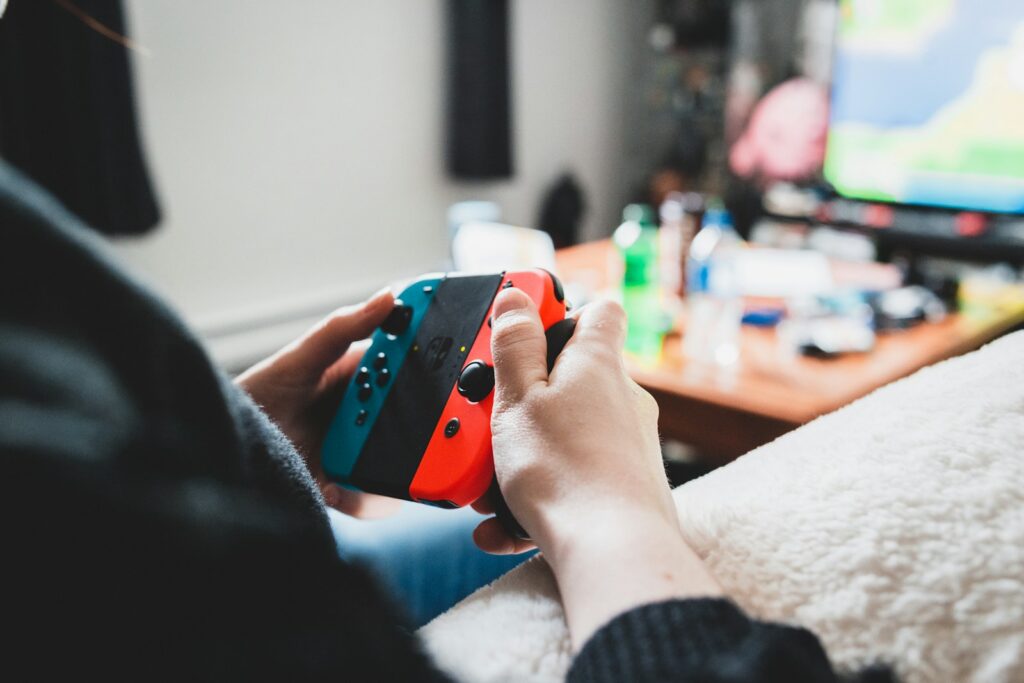
You feel sidelined when his attention drifts to the screen the moment someone logs on, and that constant competition for time wears you down. You deserve clear answers and practical ways to reclaim meaningful time together without demanding he give up something he enjoys.
This post will show how to name the problem, set boundaries that actually work, and start rebuilding connection so moments together feel intentional rather than squeezed in around a gaming schedule. If you want concrete steps to talk about expectations, negotiate limits, and test small changes that reveal whether the relationship can adjust, keep going.
For context on how this plays out in real life, see an example from someone who felt like they were competing with a screen and needed to decide whether things could change or they had to walk away: I don’t understand my bf addiction.


Dealing With a Boyfriend Who Chooses Video Games Over You
This section shows practical signs to watch for, how gaming can change how a couple connects, and why a partner might favor play over presence. Each part gives clear actions to recognize problems and start conversations.
Recognizing Signs of Game Addiction in Relationships
She notices persistent patterns: gaming runs late into the night, promises to stop aren’t kept, and chores or plans get postponed. These behaviors matter when they repeat weekly and cause conflict or emotional distance.
Look for withdrawal-like reactions when gaming is interrupted—irritability, secrecy about play time, or hiding progress. Also watch for neglected responsibilities: missed work, unpaid bills, or avoiding social events because of games.
If gaming causes serious decline in day-to-day functioning, encourage a medical or mental-health evaluation. Professional assessment helps distinguish hobby from disorder and points to treatment options.
Practical steps she can take include documenting incidents calmly, setting a specific example (like offering a non-gaming plan twice a week), and suggesting a time-limited trial where gaming windows are agreed on in writing.
How Gaming Affects Emotional Connection
When he immerses in games, she often experiences emotional withdrawal: fewer shared jokes, shorter conversations, and delayed responses to texts. Intimacy weakens as cumulative small disconnections stack.
Games stimulate reward systems differently than social interaction, which can reduce patience for slow, real-life emotional work. That means shorter, surface-level talks instead of deeper check-ins.
She should ask for focused time—no screens for a set hour—or propose two “device-free” evenings weekly. Praise moments when he chooses her, and use concrete requests like “let’s cook together Sunday at 7” rather than vague complaints.
Common Reasons Partners Choose Video Games
Often gaming fills specific needs: stress relief after a rough day, predictable achievement, or social connection with online friends. These are valid needs but become problematic if they consistently replace partner-focused time.
Other reasons include avoidance of conflict, boredom, or using gaming to self-soothe during anxiety or depression. Financial or work stress can push someone into gaming as an easier escape than tackling real-world problems.
Addressing motives directly helps. She can ask gentle, specific questions: “Are you gaming to relax or to avoid talking about work?” Then offer alternatives that meet the same need—short walks for stress relief, game-free social nights, or professional help when avoidance looks like depression.
Expressing Feelings and Setting Boundaries
She should name what she feels and ask for specific changes, and they should agree on practical rules that respect both needs.
Communicating About Neglect and Priorities
She can start a calm, specific conversation: describe the behaviors that feel neglectful, the moments they happen, and the emotional impact. For example, “When you play for three hours after work without saying anything, I feel ignored and unimportant.” Concrete examples reduce defensiveness.
Use “I” statements and avoid blaming language. Practice a short script: “I need 30 minutes together after dinner before you play. Can we try that this week?” Ask clarifying questions like, “What does ‘unwinding’ look like for you?” to understand his priorities.
Agree on a check-in rhythm. A weekly 10–15 minute talk about shared plans and concerns prevents small resentments from growing. If he minimizes her feelings, restate the impact and the boundary calmly rather than arguing.
Discussing Time Management in Relationships
They should map typical weekly schedules and highlight overlapping free time. Writing down work hours, commute, and social obligations makes tradeoffs visible. This creates a shared calendar rather than vague promises.
Propose specific alternatives to late-night gaming: a 30-minute walk three evenings a week, a Sunday date morning, or one gaming-free evening. Suggest using timers or alarms so gaming sessions end predictably. Concrete swaps make compromise easier to accept.
If time is tight, prioritize quality over length. A focused 20-minute conversation without screens can mean more connection than two hours of distracted co-presence. Revisit the plan after two weeks and adjust based on what actually worked.
Establishing Healthy Boundaries With Gaming
Set clear, enforceable rules about gaming times and shared spaces. Examples: no gaming during meals, no gaming in the bedroom after 9 p.m., or maximum two-hour sessions on weekdays. Put these rules in writing so both know what to expect.
Decide consequences ahead of time and keep them proportional. A consequence could be pausing solo gaming on planned couple time or switching to solo activities when the boundary is broken. Follow-through matters more than the severity of the consequence.
Support mutual respect by allowing flexibility for exceptions—like a tournament night—if communicated in advance. Encourage agreements that allow him to enjoy gaming while protecting couple time. If patterns don’t improve, consider couples counseling to mediate persistent conflicts.
Finding Balance and Rebuilding Connection
She needs clearer boundaries, shared activities that feel fair, and a plan for honest check-ins so small changes actually stick.
Activities to Strengthen Bond Beyond Screens
Suggest concrete activities that replace passive together-time. Propose a weekly “no-screen dinner” where phones and consoles stay in another room for the meal. Recommend scheduling one shared activity per week—examples: a 60–90 minute hike, a cooking class, or a local board-game night that requires turn-taking and conversation.
Encourage trying cooperative games designed for two players as a bridge, then gradually add non-gaming dates: a monthly museum visit, a short weekend trip, or a class they both choose. Keep commitments realistic: start with one evening and one weekend activity per month. Track progress with a shared calendar and celebrate small wins, like finishing a trail or learning a new recipe together.
Ways to Respect Each Other’s Hobbies
Balance means explicit rules, not vague wishes. Ask the couple to agree on acceptable gaming times (e.g., after 8 p.m. on weeknights, longer sessions only on weekends) and signal phrases—short words that mean “I need attention now” without pausing gameplay awkwardly. Define boundaries about gaming during shared meals, in-bed time, or when guests are over.
Encourage mutual hobby nights: he spends one evening on her interest; she spends one evening on his. Use compromises like “two-hour max” sessions or a timer for raid nights. Respect also includes avoiding public shaming about gaming and checking in emotionally after long sessions to reconnect rather than jump straight into criticism.
Seeking Support or Counseling
If conversations and small changes stall, suggest low-intensity support before therapy: a relationship book, a couples app for scheduling and check-ins, or a structured disagreement script they follow for two weeks. If neglect or frequent fights continue, recommend couples counseling with a therapist who understands mixed-hobby relationships and addictive patterns.
Look for therapists who use practical tools—communication scripts, boundary-setting exercises, and time-use logs. Suggest bringing one week of tracked time use (who did what, when) to the first session to ground discussions in facts. If gaming shows signs of compulsive behavior (missed work, sleep loss, or denial), consider a specialist in behavioral addictions.
More from Decluttering Mom: