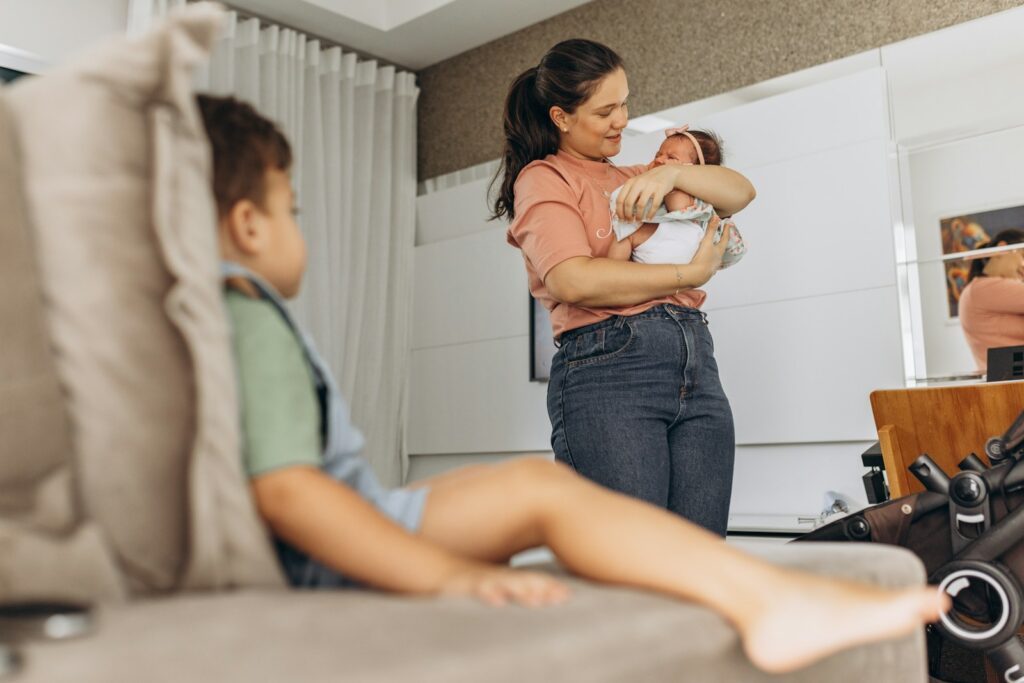
For many parents of toddlers, the most basic routines can feel like high‑stakes negotiations. One mother’s plea about a child who screams whenever she steps into the shower has struck a nerve, crystallizing a wider anxiety about how far caregivers must bend their own needs around a young child’s distress. At its core is a blunt question that echoes through parenting forums and social feeds: is a caregiver entitled to uninterrupted hygiene when a toddler is in tears on the other side of the bathroom door.
Behind that question sits a tangle of developmental realities, cultural expectations and raw exhaustion. Toddlers are wired for separation anxiety and big feelings, yet parents are also told to prioritize self care and mental health. The clash is playing out in real time in online communities, where mothers and fathers trade stories of bath time meltdowns, search for practical hacks and quietly ask whether letting a child cry for ten minutes while an adult showers is an act of neglect or a necessary boundary.
The Viral Plea: “Am I Allowed Basic Hygiene?”
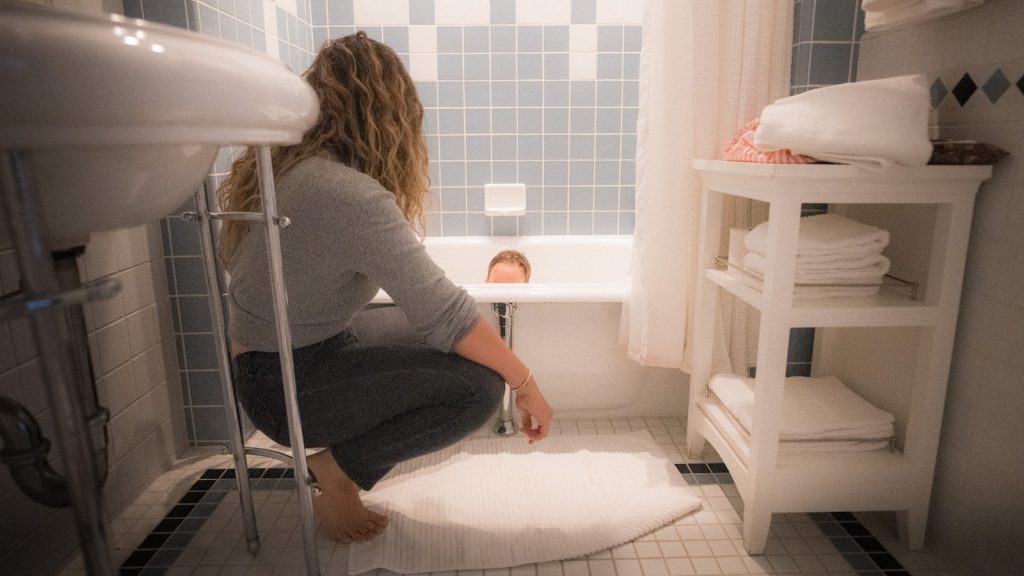
The scenario is instantly recognizable: a caregiver warns a toddler that it is time for a shower, sets up toys or a show, then hears the wail begin the moment the water turns on. In one widely discussed thread, a parent described how she “always play[s] with him and warn[s] him beforehand” yet “Every single time” she stands to go wash, her child screams, leaving her “questioning everything” about whether it is acceptable to let him cry while she gets clean, a dilemma captured in a Jan parenting post. The tone is not theatrical, it is weary, and it mirrors the headline’s core tension: a basic bodily need colliding with a child’s panic.
On Instagram, the same conflict is framed with a mix of humor and desperation. In one reel, a creator admits, “Like, I need to take a shower but I can’t handle the thought of the baby screaming the whole time I’m showering,” before promising to share what “the answer is” to parents who feel trapped between hygiene and soothing, a moment captured in a clip that repeats the phrase Like. The comments under such posts fill quickly with parents confessing that they, too, have cried in the shower or skipped it altogether rather than listen to their child sob, suggesting that the original mother’s question is less an outlier than a shared, if rarely voiced, pressure point.
Why Toddlers Melt Down Around Water
Part of the answer lies in how young children experience water itself. Specialists in early childhood note that a fear of bathing, known clinically as ablutophobia, is a common toddler phobia that often appears as children become more aware of their surroundings and bodily sensations, a pattern described in detail in guidance on abltutophobia. For some toddlers, the sound of rushing water, the feel of droplets on their face or the echo of a tiled bathroom can be overwhelming, especially if they have ever slipped, inhaled water or been startled by a sudden spray.
Even when the child is not the one under the faucet, the bathroom can trigger the same alarm. Parenting resources on bath fears point out that a child may be afraid of anything from getting soap in their eyes to being “sucked down the drain,” and that the sensory load of bath time can be “overwhelming for some toddlers,” as explained in advice on helping when Your toddler is scared of the Bath. When a parent disappears behind a shower curtain, the child may link the sound and steam with their own past discomfort, turning a routine rinse into a perceived threat to both of them.
Separation Anxiety, Not Just “Drama”
Beyond water itself, developmental experts emphasize that toddler distress around a parent’s shower is often about separation. Around the second year of life, many children experience intense clinginess and fear when a caregiver steps out of sight, a pattern that can be amplified in enclosed spaces like bathrooms. Resources on early mental health note that caregivers are encouraged to respond sensitively to these big feelings, and that support services, including parent helplines listed by Raising Children Network, exist precisely because these struggles are so common.
Practical guides on bath fears for babies and toddlers underline that crying at bath time, or when a parent is near water, is a frequent concern rather than a sign of failure. One resource on fear of the bath explains that newborns and young children can react strongly to changes in temperature, noise and handling, and that parents often need reassurance that such reactions are part of normal development, a point made in material on fear of the. When that fear is layered on top of separation anxiety, a parent’s quick shower can feel, to the toddler, like abandonment in a hostile environment, even if the adult is only a few steps away.
When Bath Time Suddenly Turns Into Screaming
For some families, the distress is not constant but arrives abruptly. One mother described how her toddler “used to love baths” but then began screaming whenever she tried to give her one, a shift analyzed by psychologist Penelope Leach, Ph. D., in guidance that stresses “You can’t stop a” toddler from having fears but can help her not to be afraid, as outlined in material Written by Penelope Leach. That kind of sudden reversal can leave parents scrambling for a cause, replaying every shampoo and slip for clues.
Other caregivers report similar patterns around showers. In a German language parenting forum, one thread titled “Child screams during showering” collects tips from parents whose children shriek as if in pain when water hits their face, prompting suggestions like placing a “Dry washcloth on eyes to keep water out” or choosing to “Install a kids’ shower” such as a model called “Fredis” that even the youngest children will use, advice shared in a discussion about how to Mar manage a screaming child in the shower. These accounts underline that a toddler’s reaction can be intense and persistent, even when parents adjust the routine or join the child under the spray.
Parents Are Trying Everything, From Bath Visors to Co‑Showering
In the face of such distress, caregivers are experimenting with a mix of gadgets and gentle exposure. One parent of a 2.5‑year‑old girl described shower time as a “chore from hell” and was advised to buy “something called a bath visor,” essentially a ring that goes around the child’s head so water never runs into their eyes, along with giving the child a specific object to “concentrate on while its happening,” suggestions shared in a thread where another user insisted that Oct is when their own battle peaked. The logic is straightforward: if the main trigger is water on the face, a simple shield and distraction might dial down the panic.
Others go further and step into the shower with their child. In a Facebook parenting group, a mother named Tanessa Tolbert wrote that she “even tried sitting in the back with her/showering with her” but her daughter “was still screaming,” despite the close contact. That detail matters because it shows that even maximum proximity does not always override a child’s sensory fear. For parents, it can be a sobering reminder that there may be no quick fix, only a gradual process of desensitization and a need to protect their own sanity in the meantime.
Desensitizing Fears, From Showers to Haircuts
Some clinicians advocate a structured approach to these fears, treating bath and shower anxiety like other sensory challenges. In a video lesson on desensitizing children to everyday experiences, a professional refers to “chapter 13 of turn autism around” being called “desensitize Dr Dennis and haircut visits,” explaining that the program’s creator, named Dr Dennis and collaborator Elena built specific steps to help children tolerate water and haircuts. The method involves breaking the feared activity into tiny, manageable pieces, pairing each with positive reinforcement and slowly increasing exposure, rather than forcing a full shower on a panicked child.
That philosophy aligns with broader advice on bath time fears, which encourages parents to start with play near the tub, let the child control the spray or pour water from cups, and only later move toward full rinses. Articles on ablutophobia stress that pushing too hard can backfire, while patient, incremental exposure can help a child’s nervous system recalibrate, a point reiterated in resources on fear of bathing. For the parent who just wants a quick shower alone, this can feel like a long road, but it offers a path that respects both the child’s fear and the adult’s need for a sustainable routine.
Hacks To Keep Toddlers Busy While Adults Shower
Alongside desensitization, many caregivers are turning to containment and distraction so they can wash without a soundtrack of screams. A widely shared list of “11 Ways to Occupy a Toddler While You Shower” recommends practical tools like a “Booster Seat or High Chair,” emphasizing that “Above all, you’ll need a containment device” to keep the child safe while the adult is under the water, advice laid out in a guide on Sep 3 ideas. The same resource, later shared under the title “11 Ways to Occupy a Toddler While You,” suggests rotating special toys, offering snacks in the Booster Seat or High Chair, and using music or audiobooks so the child associates the routine with something enjoyable.
These hacks do not eliminate crying for every family, but they can reduce the intensity and, crucially, reassure parents that the child is physically secure. Some caregivers also lean on screens, reserving a favorite show only for shower time, or set up a small play area just outside the bathroom door so they can talk to the child through the curtain. The underlying message is that a parent’s right to basic hygiene can coexist with responsive care, especially when the adult has a plan that keeps the toddler engaged and safe rather than simply leaving them to cry in another room.
Online Communities Are Rewriting the Rules
What stands out in these stories is how much of the debate is unfolding in public. Parents are not just asking friends for advice, they are turning to large digital communities and influencers who normalize the chaos. One Instagram creator admits that she “always check[s] in with the massive @reddit parenting community,” praising “the honesty, the chaos, the oversharing” as “perfect” when preparing for “TWO tiny humans,” and inviting followers to “Comment REDDIT” for her link, in a sponsored reel tagged #RedditPartner. That kind of cross‑platform conversation means a mother who feels guilty about showering through her toddler’s screams can, within minutes, see hundreds of others wrestling with the same question.
On Reddit itself, threads about bath and shower meltdowns are dense with empathy. One user in a breakingmom community wrote that her son “screams in the shower like he is in agony. EVERY” time, only to be reassured by another parent, posting under the name awesomenightfall, who said “This was us from 2-4. It sucked so hard but it passed and now he loves showers again,” and emphasized that the child “does NOT hate you,” a message preserved in a discussion dated Feb 26. That reassurance, that the phase will pass and that a parent’s need to shower does not damage the bond, is a quiet counterweight to the harsher voices that sometimes dominate parenting discourse.
Balancing Self Care With Responsiveness
At the heart of the original question is a moral calculus: how much crying is acceptable in the name of adult self care. Some online commenters argue that a few minutes of protest while a parent showers is not harmful, especially if the child is safe and the caregiver has prepared them with play and warnings. The parent who wrote about always playing with her son and warning him before she showered, only to face tears “Every” time, was not ignoring him, she was trying to balance his needs with her own, as described in the detailed version of that post on Every shower attempt.
From Stigma to Support: What Experts Emphasize
More from Decluttering Mom: