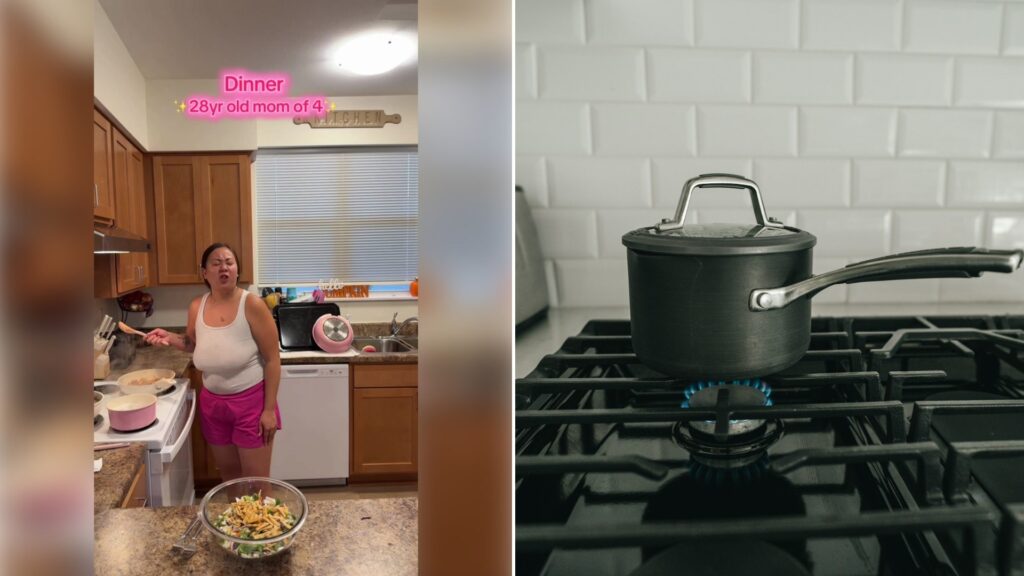
One mom felt caught off guard when her husband, who had previously shared his location with her, suddenly stopped. The couple had just finished a six-week trial separation, and as they began to reconcile, she noticed he wasn’t sharing his location anymore. When she brought it up, his excuse—that he was never truly comfortable with sharing locations—left her feeling uneasy.
Before the separation, sharing their locations seemed like a standard part of their relationship. It was a practical tool for their everyday lives: it helped her plan dinner and manage expectations about when he would be home. Now, his reluctance to share felt like a shift, and she couldn’t shake the feeling that he was trying to conceal something. His claim that it wasn’t “normal” to share locations came as a surprise—he had never expressed discomfort with it before.

Concerns bubbled up for her as she thought about all the times she relied on checking his location to see if he was still at work or on his way home. It was her way of gauging whether she should reach out to him or just wait. Now without that insight, the uncertainty gnawed at her. She wasn’t trying to invade his privacy, just keeping things organized and efficient. With him not responding to texts promptly, it made things even more complicated.
As she considered the idea of a compromise, she felt stuck. Of course, it’s important for partners to respect each other’s boundaries, but it also raised questions about trust and communication. What would a compromise even look like in this situation? Would they agree to share their locations at specific times, or would it be a matter of her checking in only when necessary? The thought of trying to balance open communication while respecting boundaries felt daunting.
People had different reactions when they came across her post. Some pointed out that it’s not uncommon for people to feel uncomfortable with sharing their whereabouts and suggested that open conversations about trust and privacy are crucial to moving forward. Others felt that if she relied so much on his location for peace of mind, perhaps they needed to discuss other ways to ensure each other’s comfort.
Some commenters emphasized the importance of clear communication. They recommended that she express her feelings honestly, explaining how his decision not to share his location was unsettling for her. Instead of jumping to conclusions about hiding something, they encouraged her to have a candid discussion about their comfort levels and boundaries.
There were those who suggested practical solutions, like setting specific times to share locations or communicating more regularly about where they are without needing to rely solely on location sharing. They argued that both her need for reassurance and his discomfort with being tracked could coexist with a bit of negotiation.
However, some commenters were more skeptical. They questioned whether his reluctance to share his location was genuinely about personal boundaries or whether it signaled deeper issues in their relationship, especially following a trial separation. Tension hung in the air as they reflected on trust and whether he was truly willing to be transparent in the aftermath of their time apart.
As discussions unfolded, it was clear that a simple solution wasn’t going to emerge easily. Each viewpoint brought new dimensions to the conversation, leaving the mom with more questions than answers. Could they really find a compromise that suited both parties? Was the discomfort about location sharing just the tip of the iceberg regarding their communication? It felt like a puzzle, and piecing it together would demand patience and understanding.
In the end, the mom was left pondering the balance between autonomy and connection in her relationship. The question lingered: how do couples navigate the gray areas of trust and boundaries to find common ground?
More from Decluttering Mom: