One text message, a tap on a link, and a life’s savings can vanish before morning. That is what happened to a Houston woman who believed she was responding to a legitimate fraud alert from her bank and federal agents, only to watch her accounts empty out overnight. Her story shows how convincing bank-text scams have become, and why anyone with a smartphone and a checking account is now a target.
The schemes are no longer sloppy or easy to spot, and they increasingly mimic the exact language, phone numbers, and urgency of real security alerts. As criminals refine their scripts and technology, the line between a genuine warning and a trap has blurred, leaving victims to discover the difference only after the money is gone.
The text that looked like a lifeline
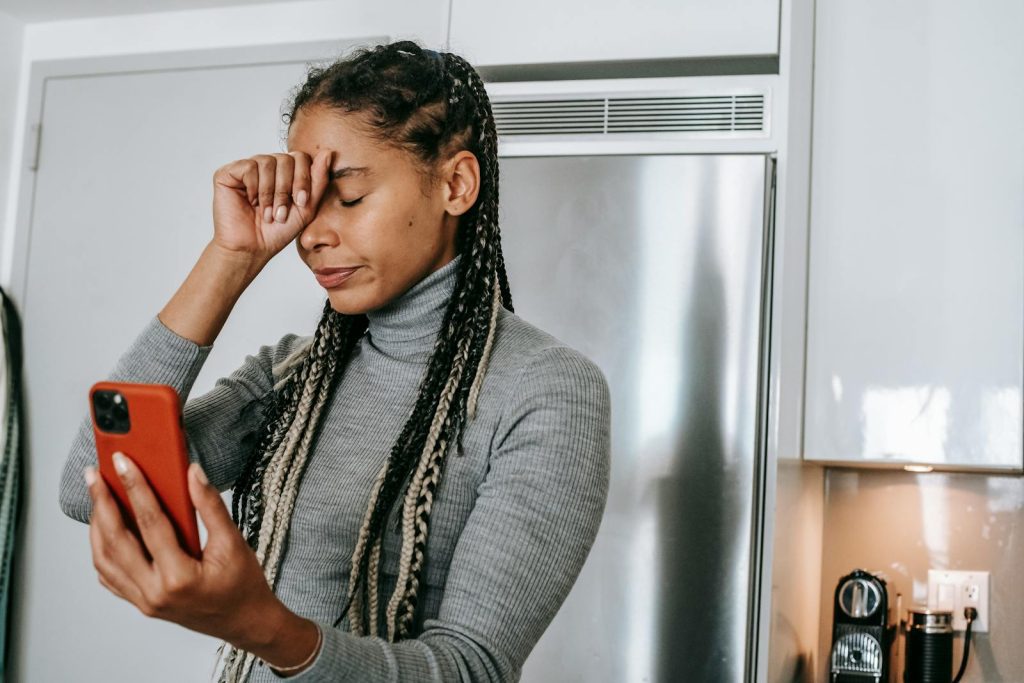
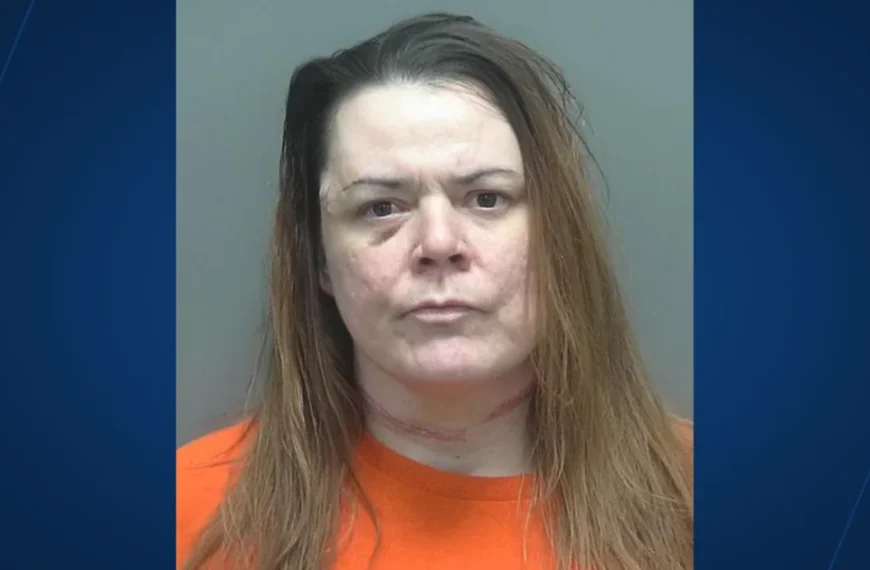
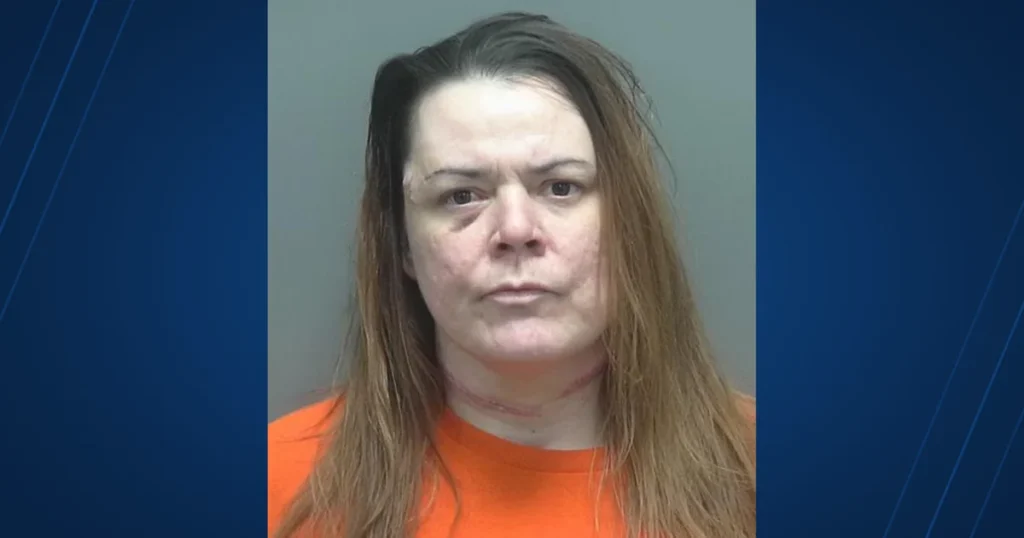
The Houston victim, identified as Diane Fendley, said the nightmare began with what appeared to be a routine fraud alert on her phone. The message referenced her bank account, used familiar branding, and warned of suspicious activity that needed immediate attention. For someone who had spent years carefully building her savings, ignoring a possible threat to that balance felt riskier than tapping the link and following instructions that seemed to come from professionals.
According to reporting on the case, Diane Fendley believed she was working with her bank and the FBI to protect her money, not realizing she had been drawn into a script designed to keep her engaged until the thieves had everything they needed. The text did not arrive out of the blue as a cartoonish scam, it slotted neatly into the way real institutions now communicate with customers, which is exactly what made it so effective.
How scammers turned a warning into a weapon
Once Fendley responded, the fraudsters escalated quickly, layering in phone calls and official-sounding instructions that made the operation feel like a coordinated response. She was told that her accounts were at risk and that urgent steps were needed to “secure” the funds, a tactic that kept her focused on cooperation rather than skepticism. By the time she realized the people on the other end were not who they claimed to be, her life savings had already been transferred out.
In detailed accounts of the scheme, Fendley said she followed directions from someone she thought was the FBI, convinced that cooperating was the only way to keep criminals from draining her accounts. Instead, the instructions she received were the mechanism that allowed the thieves to move her money out of reach. The same trust that people place in law enforcement and banks became the lever the scammers pulled to empty her balance.
Why the scam felt so real
What makes this case especially chilling is how closely the fraudsters mirrored the look and feel of legitimate security outreach. The initial message resembled the kind of bank text many customers now expect, complete with a reference to suspicious activity and a prompt to verify information. It matched the pattern described in guidance on What Does a Bank Text Scam Look Like, where criminals copy real notification styles so that targets lower their guard.
Scammers also know that people are primed to respond quickly when they believe their money is at risk, especially if the alert appears to come from a bank they actually use. Advice on spotting a Bank Text Scam notes that Criminals deliberately lean on urgency and fear, pushing recipients to click a link or call a number before they have time to think. In Fendley’s case, the combination of a familiar format, references to her accounts, and the apparent involvement of federal agents created a sense of authenticity that was hard to question in the moment.
Houston’s warning to the rest of the country
The Houston area has seen multiple victims speak out about similar schemes, turning individual losses into a broader warning. In one report, a HOUSTON woman described how the scam was so convincing that she did not realize anything was wrong until every dollar was gone. The emotional impact was as severe as the financial hit, with victims describing shock, shame, and a sense of betrayal by systems they thought would protect them.
Another Woman in Houston said she was defrauded for thousands of dollars in an elaborate scheme that also began with a phone contact that seemed routine. She later explained that the caller knew specific details about her accounts and personal information, which made the story sound legitimate. Those details are often harvested from previous data breaches or public records, then woven into a script that feels tailored and trustworthy.
From texts to calls: the script that drains accounts
Text messages are often just the opening move in a longer con that shifts quickly to phone calls and live interaction. Federal consumer guidance describes how You might get a message that appears to be from a fraud department at Amazon or a bank, followed by a call from someone claiming to help with a suspicious charge. Once the victim is on the line, the scammer walks them through steps that seem like security checks but are actually ways to capture login credentials or authorization codes.
In Fendley’s case, the progression from text to phone instructions mirrored that pattern, with the supposed FBI contact guiding her through actions that ultimately gave the criminals control. Similar scripts have been seen in other high profile cases, including one where scammers stole nearly $160,000 from a small business owner after a text led to a series of calls and transfers. In that instance, a video segment showed how the scammers stole the money while the bank later argued the customer had not adequately protected the account, underscoring how victims can be left fighting both criminals and institutions.
The broader fraud landscape in 2026
Experts say these text-driven schemes are part of a wider surge in financial fraud that is growing more sophisticated each year. Analysis of Fraud Trends You to Know in 2026 notes that criminals are constantly evolving their tactics, moving beyond older tricks like simple ATM skimmers to complex digital attacks. The same mindset that has made ATM Attacks Are Becoming More Sophisticated is now being applied to text and phone scams, with criminals investing time in perfecting scripts, spoofing technology, and psychological pressure.
These operations are not random one-offs, they are often run by organized groups that test and refine their approaches the way a tech company might iterate on a product. They study how banks phrase alerts, how customers respond to different wording, and which prompts are most likely to get someone to click a link to verify personal information. That level of planning helps explain why victims like Fendley, who considered themselves cautious, can still be drawn into a trap that feels indistinguishable from a real security process.
Red flags hiding in plain sight
Even the most convincing scam texts usually contain small tells that something is off, but spotting them requires a calm moment that the criminals work hard to deny. Consumer protection officials warn that Spam Text Messages often promise prizes, low interest offers, or urgent warnings, then ask for personal or financial information. Any message that pushes a recipient to click a link, share a password, or provide a one time code should be treated with suspicion, especially if it arrives unexpectedly.
Guidance on How to Spot a Bank Text Scam stresses that legitimate institutions typically will not ask customers to confirm full account numbers, PINs, or Social Security numbers by text. Criminals, by contrast, may ask for those details directly or steer victims to a fake website that collects them. Another red flag is a message that claims to be from a bank the recipient does not use, or that contains odd spelling, generic greetings, or slightly altered web addresses that mimic real ones.
What regulators say to do in the moment
When a suspicious text lands, the safest move is often to slow down and disconnect from the channel the message arrived on. Federal advice on handling an unexpected text that appears to be from a bank or Amazon recommends deleting the message and contacting the institution using a phone number or app the customer already trusts, rather than any link or number in the alert itself. That way, the person can confirm whether there is real suspicious activity without giving the scammers a chance to steer the conversation.
Legal guidance on reporting smishing attacks urges Consumers to Report suspicious texts by forwarding them to designated spam numbers and to the Anti Phishing Working Group, which collects data on emerging threats. The same advice notes that people should never type in their PIN or other sensitive details in response to a text, even if the message claims to be urgent. Taking a few extra minutes to verify a warning through a known channel can be the difference between a close call and a drained account.
How to protect your money before the text arrives
Preventing the next loss starts long before a scammer hits send. Security experts recommend that customers set up official alerts directly through their banking apps, so they know exactly how a real notification will look and where it will appear. Many banks that send text alerts explain in advance what kind of information they will never request, which can help customers recognize when a message that claims to be from them is actually a Bank Text Scam.
Consumers can also reduce their exposure by limiting where their phone numbers and email addresses are shared, using strong unique passwords, and enabling multi factor authentication on banking and shopping apps. Fraud specialists emphasize that criminals are constantly evolving, but so are the tools that can block or filter malicious messages before they reach a device. As Jan reports on ATM and digital fraud make clear, staying ahead of the next wave requires a mix of technology, skepticism, and a willingness to treat every unexpected text as a potential threat until it is proven safe.
More from Decluttering Mom: