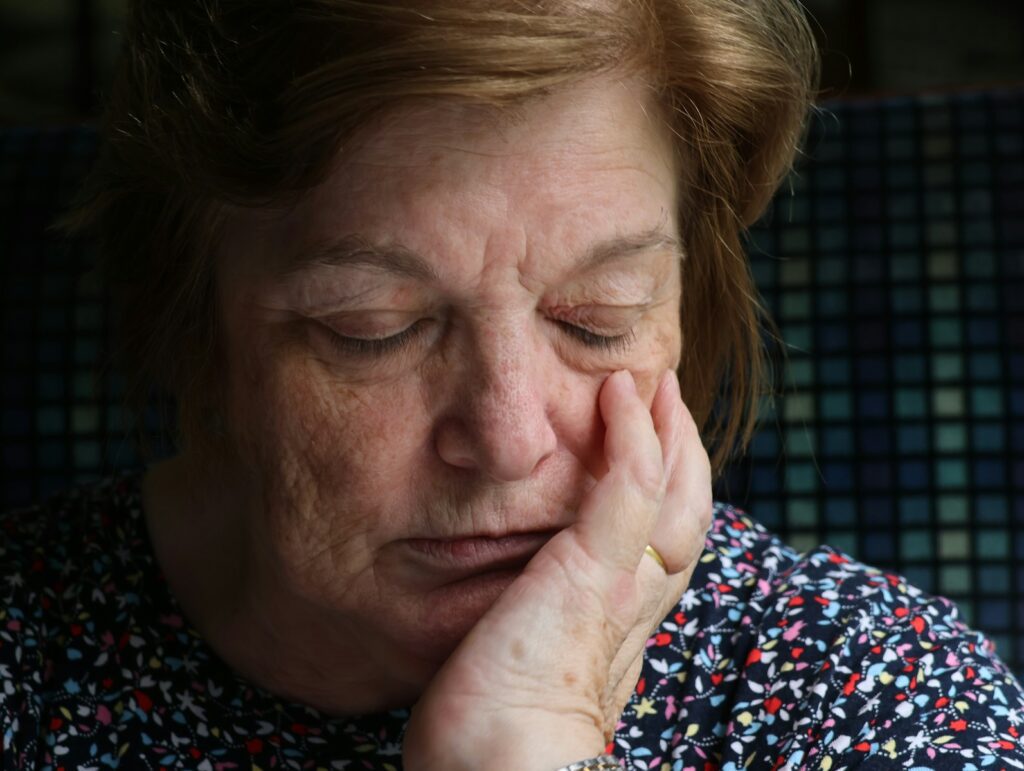
By the time a stranger cracked a joke about her belly, Jan was nine months pregnant and carrying more than anyone around her could see. The offhand line about twins landed like a punch, ripping open grief for the baby she had already lost. Her story shows how a casual comment about someone’s body can collide with invisible heartbreak that never really goes away.
What looked like a light moment between a bus driver and a very pregnant passenger was, for Jan, a reminder that pregnancy is not always the uncomplicated happy ending people assume. Behind the bump, she was still mourning a twin who had died, trying to move through the world while everyone else saw only new life.

The Joke That Wasn’t Funny
Jan was standing near a school bus when the driver leaned out with a grin and shouted, “Hey, you got twins in there or what?” It was the kind of line people toss at very pregnant women all the time, meant to be friendly, maybe even flattering. In that split second, though, Jan felt the air leave her lungs, because the stranger had stumbled straight into the most painful part of her story, the fact that she had been pregnant with twins and one of them had died earlier in the pregnancy, a reality the driver could not possibly know when he called out, “Hey, you got twins in there or what?” that is quoted in the account of Jan.
On the outside, she did what so many people do in those moments, she smiled, waved, played along. Inside, she was back in the ultrasound room, back in the weeks when there had been two heartbeats instead of one. The driver’s joke was not cruel, it was just casual, but it showed how little anyone can know about what sits behind a stranger’s expression, or how a single sentence can yank someone from the present into the worst day of their life. That disconnect between what the world sees and what a person is actually carrying is at the heart of Jan’s experience of pregnancy loss.
Living With Invisible Grief
Jan’s reaction did not come out of nowhere, it came from what she describes as “invisible grief,” the kind that does not show up on a medical chart or in a baby registry but shapes every day anyway. She has learned that this kind of sorrow can be deeply isolating, because the world tends to move on as soon as there is a healthy baby to coo over, even when a parent is still mourning the child who is not there, a tension she captures in her description of how Invisible loss can sit just under the surface.
She has also come to see that she is far from alone. People around her, she notes, are often carrying more than one story at once, joy and devastation, hope and fear, sometimes all in the same season of life. That is especially true in pregnancy, where a round belly looks like a simple symbol of happiness but, as Jan points out, People rarely see the full picture of what a parent has already survived to get there.
When Small Talk Hits a Nerve
Jan’s bus stop moment was not the first time someone had turned her body into a conversation starter. Earlier in her pregnancy, another person had pointed at her stomach and asked, “You sure you don’t have two in there?” with the same playful tone, assuming they were making harmless small talk. For Jan, who had once watched two tiny shapes on a screen, that question was a direct hit, a reminder of the twin who would never make it to delivery, a dynamic she connects to the way Jan keeps being asked to relive what she had lost.
She compares that moment to the bus driver’s shout, noting how both people were just trying to connect, to share in what they assumed was uncomplicated happiness. Instead, their words underlined how alone she felt in her grief, because she was constantly deciding whether to correct them, to say there had been two babies, or to swallow the truth to avoid making things awkward. That tension shows up again when she recalls the line, “You sure you don’t have two in there?” and how it echoed the earlier question about twins, a pattern she links to the way comments like You can feel like salt in a wound.
The Tightrope of What to Say
Underneath all of this is a constant calculation: how much of her story does Jan owe to the people who comment on her pregnancy. She admits she often wonders, “What do I say without it turning into a trauma dump on a person who just wanted to bask in the presence of new life?” It is a brutally honest question, because it captures the pressure to protect other people’s comfort even when she is the one living with loss, a dilemma she spells out when she asks What kind of answer she is supposed to give.
In private, she lets herself feel the full weight of it, the joy of the baby she is still carrying and the ache for the one she is not. In public, she edits, trims, and sometimes erases the hardest parts so that strangers can keep their easy smiles. That split reality is exhausting, and it shows how much emotional labor often falls on people who have already been through trauma, a point she reinforces when she circles back to the same question, “What do I say without it turning into a trauma dump,” in the original essay on what it means to carry a pregnancy that is not headed toward a simple happy ending.
Rethinking How We Talk About Pregnancy
Jan’s story is not a call to tiptoe around every pregnant person in fear, but it is a nudge to rethink the scripts people fall back on. Instead of guessing how many babies someone is carrying or commenting on the size of their belly, she suggests that curiosity can take a back seat to kindness, that a simple “How are you feeling?” leaves room for whatever answer a parent is ready to give. Her experience with the bus driver who shouted “Hey, you got twins in there or what?” shows how even a well meant joke can land on a raw nerve, a moment she recounts in detail in the piece about Hey and the shock of hearing the word “twins” out loud.
She also pushes back on the idea that a visible pregnancy tells the whole story, reminding readers that even when a pregnancy is progressing, there may have been losses, scares, or diagnoses that never make it into casual conversation. The comments about twins, the repeated questions about whether she might be carrying two babies, all of it has taught her that the most meaningful support is often quiet and open ended, the kind that does not assume anything about what a parent has been through, a lesson she threads through her reflections on how Invisible grief sits right alongside visible joy.
For anyone who has not lived through pregnancy loss, Jan’s experience is a reminder that the safest default is to let the pregnant person lead. If they want to talk about the baby, or babies, they will. If they want to keep things light, they will do that too. The job of everyone else is not to guess or joke or pry, it is to make space for whatever truth they are ready to share, a point that comes through clearly when she describes how comments like “You sure you don’t have two in there?” and “Hey, you got twins in there or what?” kept forcing her to decide whether to open up about Like the twin who was no longer there.
More from Decluttering Mom: