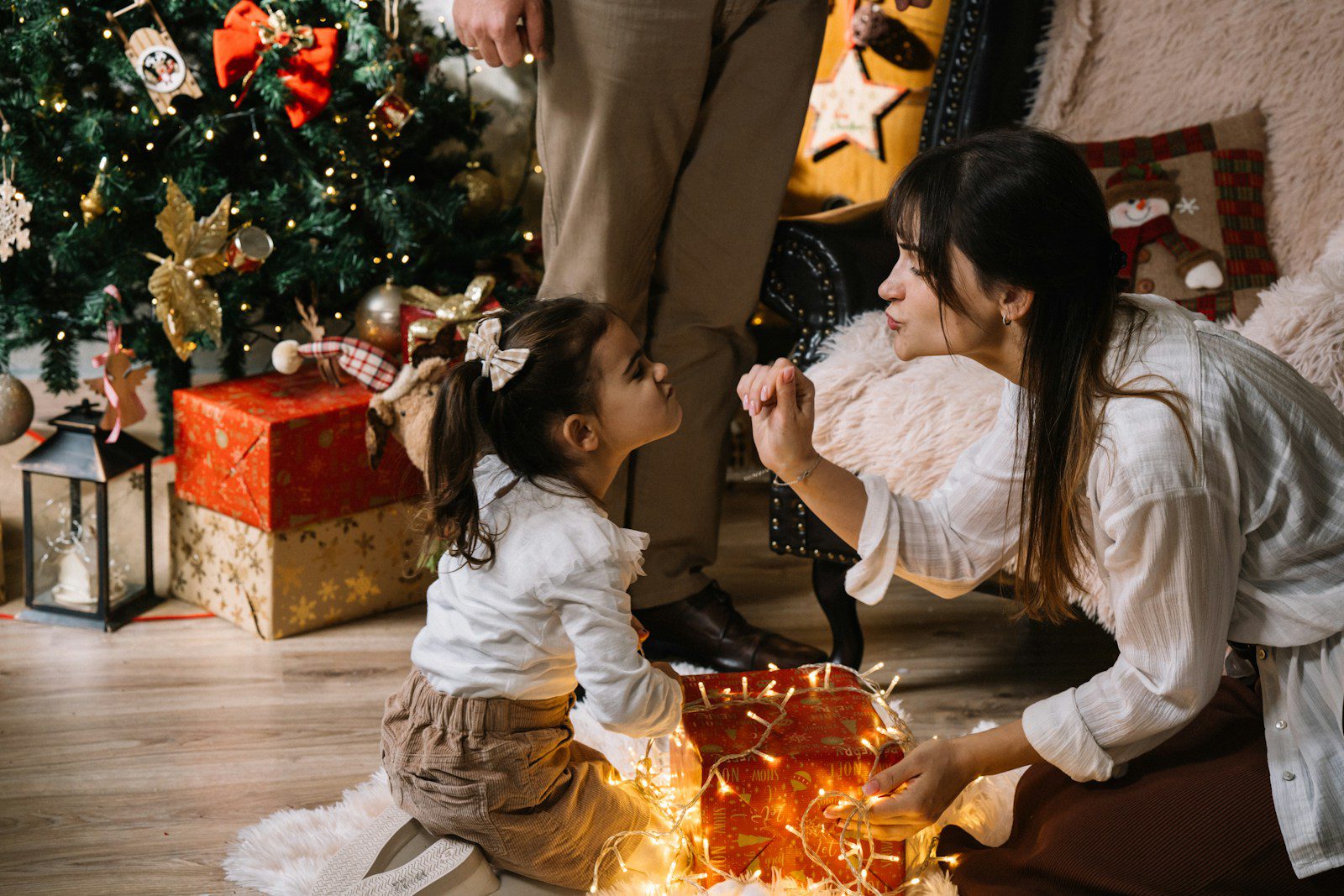
A mother of two thought she was finally giving her mother-in-law the one thing she had begged for over and over: grandkids at Christmas. Instead, she says she was “completely thrown” when her husband’s mom told her to book a babysitter so the adults could celebrate without the children. The clash has turned a supposedly cozy holiday into a case study in mixed messages, hurt feelings and what “family” is supposed to look like when kids are involved.
Her story, shared anonymously online, has struck a nerve with parents who are tired of being told to produce grandchildren, only to find those same kids treated like an inconvenience once they actually exist. It is not just about one dinner invitation, it is about the gap between the fantasy of grandparenthood and the reality of sticky fingers at the table.
The Christmas Invite That Came With a Catch
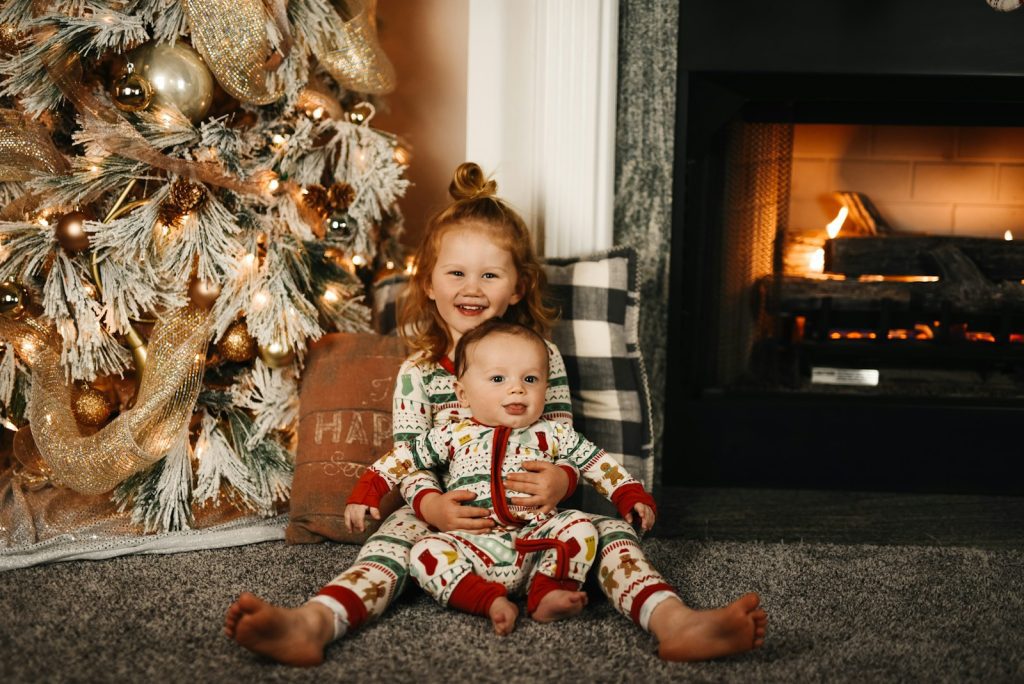
According to the original poster, she and her husband have a 3-year-old daughter and an 8-year-old son, the very grandchildren his mother had spent years hinting and pushing for. When the couple were invited to Christmas Eve dinner, they assumed the kids were part of the package, especially after all the talk about wanting little ones around the tree. Instead, the mother-in-law told them she wanted an adults-only evening and suggested they hire a babysitter, a request that left the woman feeling blindsided and hurt after being, in her words, “completely thrown” by the sudden shift in expectations, as reflected in a detailed account of the Christmas invitation.
The tension did not come out of nowhere. Earlier in the year, the same mother-in-law had already shown reluctance to be hands-on with the children. When the poster asked if she could watch the kids for a quick haircut appointment, she recalls that her mother-in-law’s face “dropped like she was so disappointed,” a reaction that signaled childcare was not actually part of the grandparent dream. That moment, later echoed in coverage of how the woman felt “hurt” by the request to exclude her children from a family holiday, set the stage for the Christmas conflict described in the online discussion.
Grandparent Expectations Collide With Parenting Reality
What stings for the poster is not just the logistics of finding childcare on one of the hardest nights of the year to book a sitter, it is the emotional whiplash. For years, she says, her mother-in-law pushed the idea of grandkids, only to draw a firm line once those kids became part of every holiday plan. Commenters pointed out that the mother-in-law seemed to want the title and image of being a doting grandmother, but not the noise, mess and responsibility that come with a 3-year-old and an 8-year-old at the table, a pattern that was highlighted when readers dissected how the woman felt “completely thrown” by the request in the Christmas Eve plan.
In the original thread, the woman framed the invite as a choice between her children and her in-laws, and many readers agreed that asking parents to leave their kids behind on a core family holiday crosses a line. Some noted that if the mother-in-law wanted an adults-only dinner, she could have scheduled it on a different night and kept Christmas Eve for the whole family. Others zeroed in on the emotional fallout, arguing that the kids would eventually notice they were being sidelined and feel excluded from what is supposed to be a shared celebration, a concern that echoed through reactions to the holiday exclusion.
Online Backing, Boundaries and What Happens Next
The woman first laid out her story in a candid post on a forum dedicated to difficult in-law dynamics, where she described how her mother-in-law had asked the couple to “hire a baby sitter for Christmas Eve dinner” so the adults could enjoy a quiet meal. In that post, she explained that she had always pictured her children being part of the extended family’s holiday traditions and felt blindsided by the idea that they were suddenly unwelcome, a sentiment that drew strong support from readers responding to the Christmas Eve request.
Commenters did not hold back. One of the top responses said, “Honestly, I wouldn’t have gone or even tried to find a sitter,” arguing that the mother-in-law’s demand was “completely unreasonable” and that excluding children from a family holiday sends a clear message about priorities. Others urged the poster to protect her kids from feeling like an afterthought and to consider starting new traditions at home instead of fighting for a seat at a table where they are not wanted, advice that was summed up in reactions that called the children’s exclusion from a “family holiday” unacceptable in the comment thread.
Across platforms, readers kept circling back to the same point: if grandparents like the woman’s mother-in-law spend years asking for grandkids, they cannot be shocked when those kids show up at Christmas in all their loud, present-opening glory. Several people suggested that the poster’s husband should take the lead in setting boundaries with his mother, while others noted that the situation is a textbook example of how “Dec” holiday expectations collide with real-life parenting. One analysis of the viral story even highlighted how the “NEED” to manage in-law dynamics, the “KNOW” of what kind of grandparent someone truly is and the pressure of “Chr” traditions can all crash into each other when a family is still figuring out its own rhythm, a theme that surfaced in coverage of the online reaction.
For now, the woman’s story sits alongside other accounts of holiday showdowns, including readers who shared similar experiences of being told to find childcare so their in-laws could have a “peaceful” dinner. One widely shared breakdown of the situation noted that the conflict began “Dec” when the invite was first extended, and that the mother-in-law’s pattern of asking for grandchildren while resisting any real childcare role had already been flagged as a red flag in earlier conversations about the haircut favor. Another recap of the thread underscored how the woman felt “hurt” that her children were being treated as optional guests at what was supposed to be a family gathering, a point that resonated strongly in the broader conversation about the grandparent expectations.
More from Decluttering Mom: