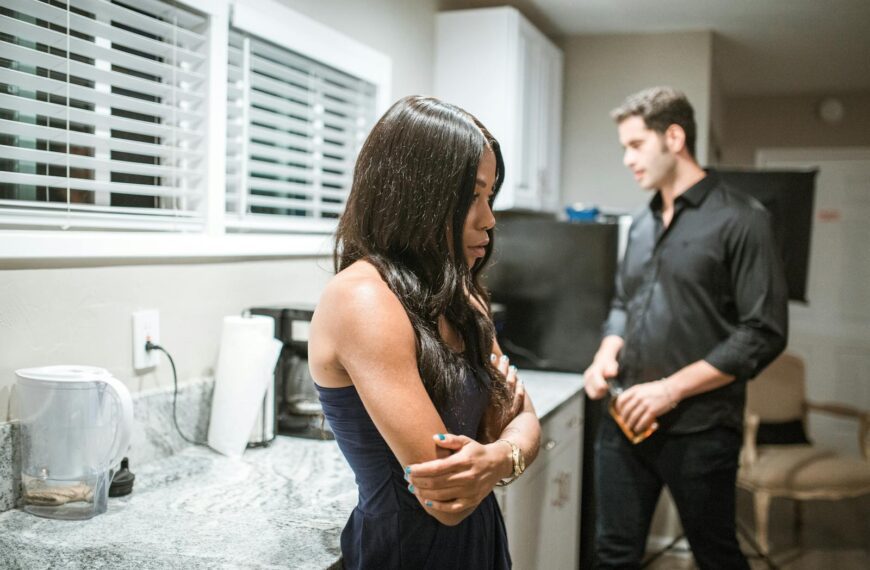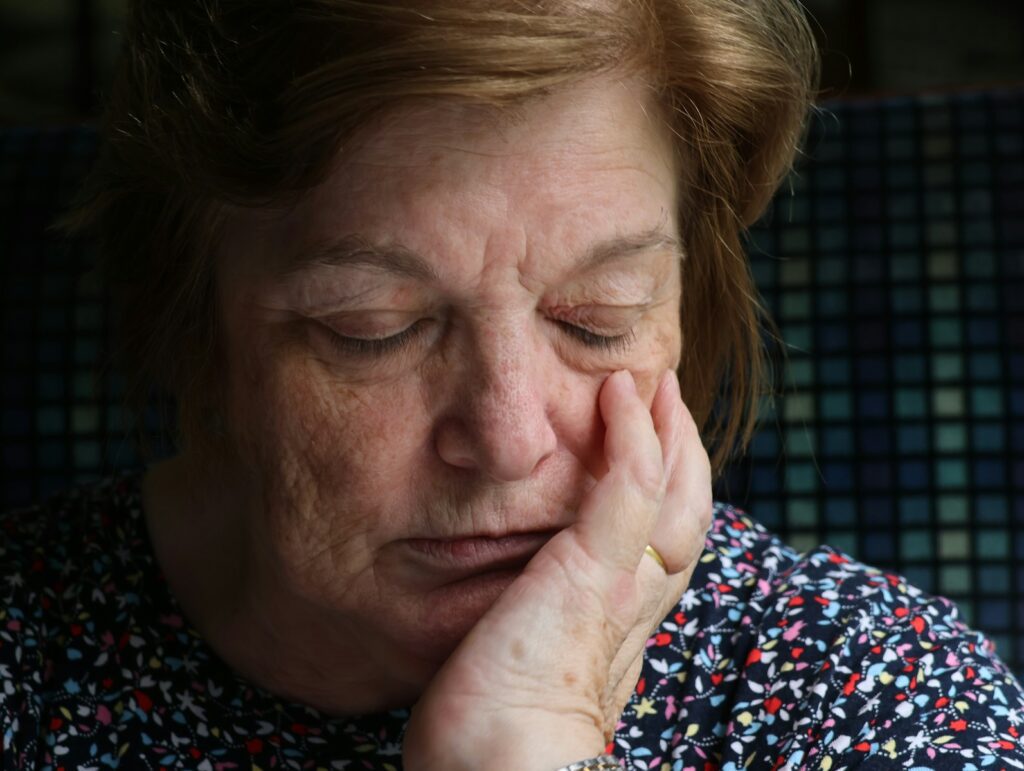
A woman describing how her boyfriend cared for her through two brain surgeries has sparked a fierce debate after admitting she is thinking about leaving him because, in her words, they have basically stopped dating. She says he spent more than a year nursing her back to health, handling everything from medical appointments to cleaning up after her, yet she now feels emotionally neglected and unsure whether the relationship still works. Her story has turned into a kind of Rorschach test for what people think partners owe each other when illness hits and what is fair to expect once the crisis phase is over.
At the center of the viral clips is a tension a lot of long term couples will recognize, even if the details are extreme. One partner stepped into full time caregiver mode, quitting work and putting his own life on hold, while the other survived a life changing medical ordeal and is now trying to figure out what she wants from love on the other side of it. The question hanging over the whole thing is not just whether she should stay or go, but what it really means to be a good partner when romance and caregiving collide.
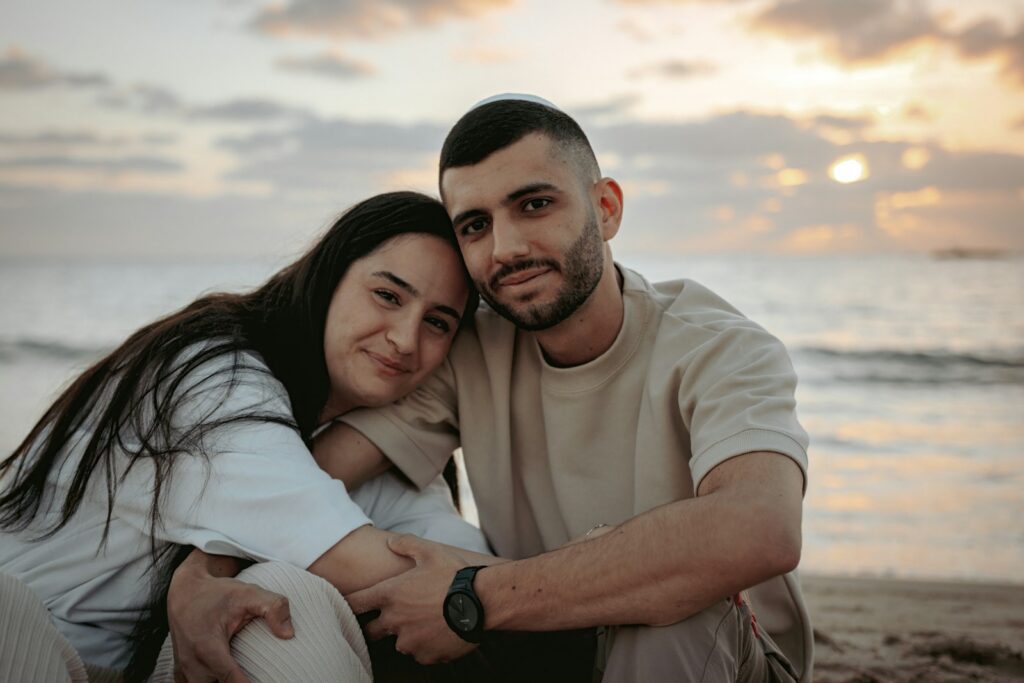
The viral confession that lit up social media
The woman’s story first caught fire in short video clips where she calmly lays out just how much her boyfriend did for her while she was recovering from brain surgery. In one clip, she explains that he spent more than a year acting as her nurse, helping her bathe, managing her medications and even cleaning her bodily waste when she could not do it herself, a level of care that is spelled out in detail in a widely shared video. She frames it as something he chose, saying he stepped up without being asked and took on responsibilities that would normally fall to a medical professional or close family member.
Another version of the story, shared in a separate clip, repeats that he nursed her for over a year and emphasizes that he was there through two brain surgeries, not just one rough week. She notes that he was present for the ugliest parts of recovery, including moments when she could not control her own body, and that he did it consistently rather than dipping in and out. That level of detail is part of why the confession hit so hard online, because it made the relationship sound less like a casual romance and more like a long term care arrangement that would exhaust almost anyone.
From caretaker to “roommate”: why she says she wants out
What pushed the story into full blown controversy was not the description of his caregiving, but what she said next. After laying out how he had been there through every scan and setback, she admits she is now considering leaving him because she no longer feels like they are dating. In one post that recaps her comments, she is described as saying that the relationship has shifted so far into a practical partnership that the romance feels gone, and that she is wrestling with whether gratitude for his help should keep her in something that no longer feels emotionally satisfying.
In another breakdown of the same situation, shared through a separate segment, she is quoted describing him as “amazing emotionally, physically” yet still wondering how long she is supposed to wait before she feels truly appreciated and seen as a partner again. That tension, between acknowledging that he is a good man who did an extraordinary thing and still feeling like something is missing, is what has people arguing in the comments. To some, it sounds brutally honest about how attraction and connection can change after trauma. To others, it reads as cold, as if she is discarding someone who sacrificed everything the moment she feels strong enough to walk away.
What he gave up to care for her
Part of the outrage comes from the sense that the boyfriend did not just help around the house, he reorganized his entire life around her illness. One widely shared summary describes him as spending an entire year caring for her after a major brain surgery and notes that he quit his job to do it, effectively becoming a full time caregiver. That means he was not just emotionally invested, he was financially and professionally all in, trading career progress and income for hospital visits, home care and the constant stress of wondering whether she would fully recover.
Another account of the same relationship, shared in a separate reel, repeats that he nursed her for over a year after brain surgery and again highlights that he handled intimate, often humiliating tasks like cleaning her waste. It also notes that he grew tired mentally, physically and emotionally, which is exactly what experts say happens to caregivers who shoulder that kind of load without much support. When people online argue that he “gave up everything,” they are not exaggerating based on these descriptions, they are reacting to a picture of someone who put his own needs on the back burner for more than a year.
Her side: gratitude, guilt and the need to feel desired
Even with all of that context, the woman’s own words suggest she is not taking the decision lightly. In one clip, she talks about how grateful she is that he was there through the worst of it and acknowledges that most people never get that kind of support from a partner. At the same time, she describes feeling like the dynamic between them has shifted so much that she cannot see a path back to feeling like his girlfriend instead of his patient. That mix of gratitude and discomfort is familiar to a lot of people who have been on the receiving end of long term care, where the person who saved your life also becomes a reminder of the sickest version of yourself.
Another recap of the conversation captures how commentators see “more red flags than a Gail warning” in her willingness to walk away, but it also notes that he is described as tired on every level. That detail hints at something more complicated than simple ingratitude. If both people are burned out, one from giving care and the other from receiving it, then the relationship might genuinely be running on fumes. Her critics want her to stay out of principle, to repay a moral debt. Her defenders argue that staying in a relationship purely out of obligation is its own kind of cruelty, especially if the romantic connection really has faded.
Why this story hit a nerve about love, illness and “owing” your partner
Underneath the viral outrage is a quieter conversation about what partners owe each other when serious illness enters the picture. The woman at the center of this story is not the first person to feel conflicted about a relationship that turned into a caregiving arrangement, but the blunt way she described wanting to leave after he spent more than a year nursing her back to health has forced people to say out loud what they usually only think. Some see her as proof that no good deed goes unpunished, a warning to anyone who might consider quitting a job or rearranging their life for a partner. Others see her as a reminder that love is not a contract, and that surviving something as intense as brain surgery can change what you want from your life and your relationships in ways that are hard to predict.
More from Decluttering Mom: