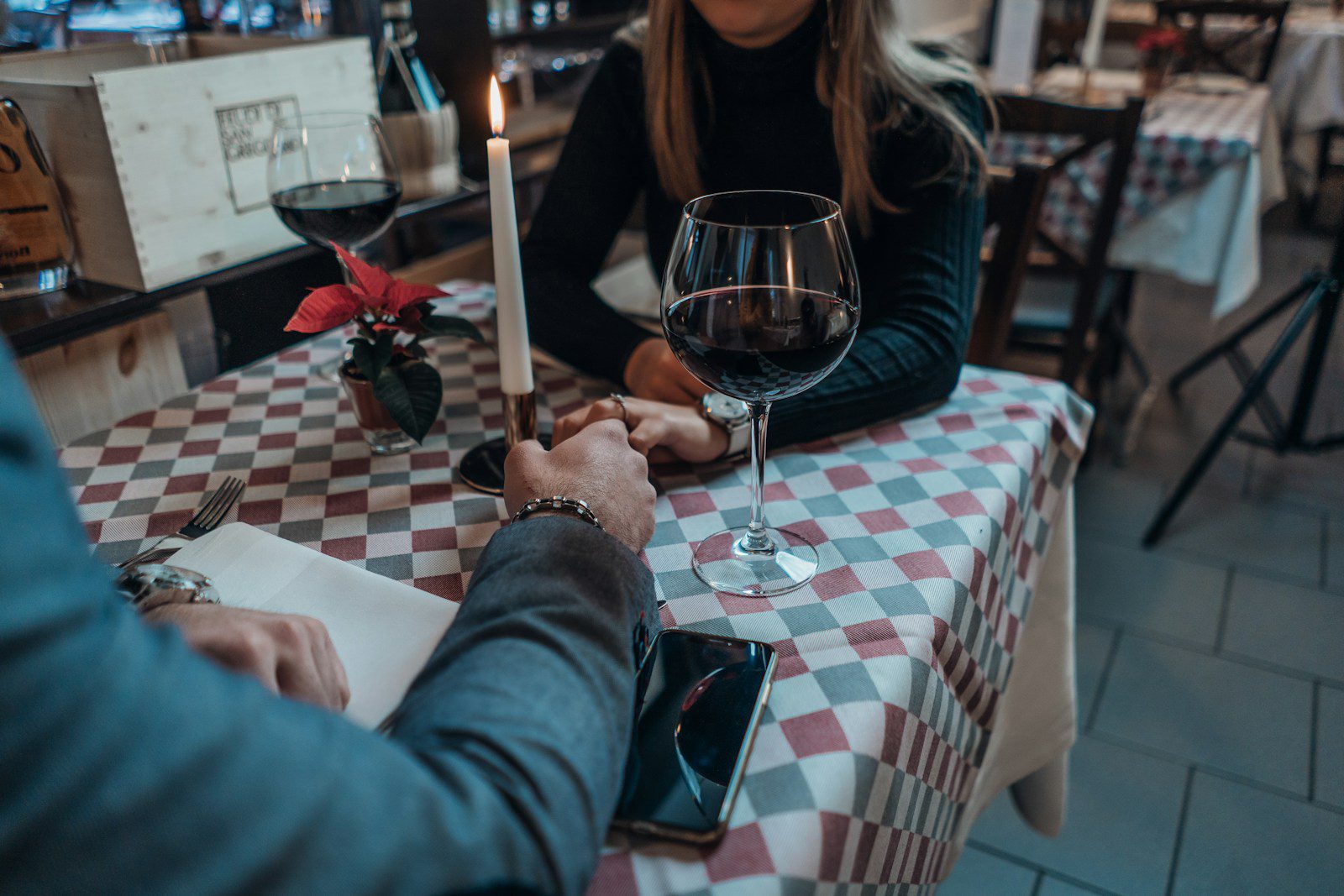
She lets him pick the restaurant to seem easygoing, and he drives to Applebee’s — a move that sparks instant judgment and a viral debate. This moment shows how small choices on a first date reveal expectations, status signals, and boundaries faster than any conversation can.
You’ll follow what happened, what people thought, and why a chain restaurant can mean very different things to two people. The post will unpack the reactions, the etiquette questions it raises, and practical takeaways about communication and setting expectations on early dates.
Letting the Date Choose: The Easygoing Approach
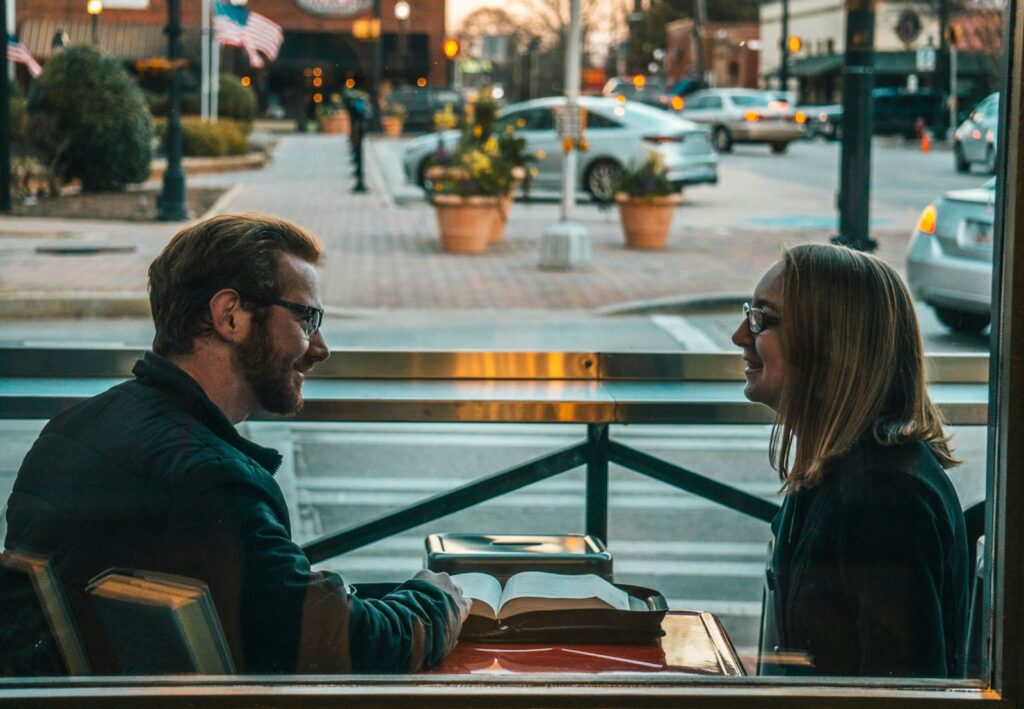
She gives the choice to the other person to avoid awkwardness, test their tastes, or save face if the outing goes sideways. That decision can reveal priorities, manners, and how planning fits into courting.
Why People Avoid Picking the Restaurant
Many people skip choosing a place because they fear seeming picky or controlling on a first date. She might worry that naming a trendy spot will sound elitist, while suggesting a casual chain could signal low standards. Letting the date pick feels like fairness and reduces negotiation at the start.
Sometimes avoidance stems from anxiety about dietary restrictions or budget mismatches. If he picks a place she can’t eat at or can’t afford, tension rises quickly. Passing the choice can also be a social test: how someone selects a venue often shows thoughtfulness and awareness.
Challenges of Wanting to Appear Laid-Back
Appearing relaxed can backfire when the chosen location clashes with expectations. If he takes her to a noisy sports bar or a bland chain like Applebee’s, she may feel misread or disappointed. That mismatch can color the whole evening, making it hard to recover rapport.
There’s also risk in signaling passivity: consistently deferring decisions can make someone seem indecisive or uninvested in courting. She might intend to seem easygoing, but he could interpret silence as lack of preferences or effort. Clear, gentle guidance often communicates interest better than silent acquiescence.
Common First Date Dynamics
On first dates, control over logistics often equals perceived interest. The person who chooses a thoughtful venue—considering noise level, menu variety, and hours—usually earns credit for effort. He who asks a few questions first (dietary needs, vibe preference) demonstrates care and avoids surprises.
Power dynamics show up in small actions: offering to reserve a table, suggesting mid-range options, or proposing a backup plan signals competence and respect. These moves matter more than the exact restaurant name when courting; they shape comfort and set the tone for whether both feel valued.
Arriving at Applebee’s: Reactions and Expectations
Guests often bring clear, immediate hopes and small reservations when they walk into a familiar chain like Applebee’s. Practical things—menu variety, price, and atmosphere—shape reactions more than loyalty to brands or social media opinions.
First Impressions of Chain Restaurants
He notices the exterior signage and parking lot first; it signals an ordinary, reliable meal rather than a destination experience. Bright logo, parked family SUVs, and a visible patio set expectations for casual dining.
Inside, staff greeting and booth availability matter most. A quick host seat and visible servers ease tension. If wait times stretch, mood shifts toward irritation or skepticism about the date’s planning.
Decor and noise level give immediate clues about the evening’s pace. Familiar menu boards, promotions, and jukebox-style music suggest comfort food and predictable portions. She reads these signals and adjusts expectations accordingly.
Typical Applebee’s Experience
They expect a menu heavy on burgers, steaks, salads, and shareable appetizers like boneless wings or potato skins. Prices typically sit in the mid-range, so splitting an entrée or ordering a skillet feels practical and social.
Service rhythm is predictable: apps arrive fast, entrees follow moderate wait, and servers check back for refills. That reliability helps a date conversation flow without long lulls or awkward pauses.
The chain’s casual atmosphere makes it easy to relax or recover from a mismatched restaurant choice. Applebee’s often offers drink specials and combo deals that can convert an uncertain outing into a budget-friendly night out.
Dealing With Surprise Choices
She manages surprise by leaning into options that minimize risk: picking shareable starters, choosing a safe entrée like grilled chicken, or ordering from the kids’ menu if portions feel too large. This approach keeps the meal light and conversational.
He can defuse tension by acknowledging the choice and suggesting a plan B—coffee or dessert elsewhere—if the vibe doesn’t fit. That small leadership moment often resets the date’s tone.
If either cares about food quality or dietary needs, scanning the menu for modifications or allergy notes helps. Asking the server about how dishes are prepared prevents disappointment and shows practical consideration.
Chain Restaurants and First Dates: Do They Mix?
Chain restaurants can set a relaxed tone, control costs, and avoid the pressure of formal dining. They also signal practical preferences, like wanting predictable food and an easy exit if chemistry is low.
Pros and Cons of Chain Restaurant First Dates
Pros:
- Predictable menu and portion sizes make ordering easier, reducing decision stress.
- Moderate prices at places like Applebee’s let one person avoid a high bill on a first meet-up.
- Familiar settings give both parties a neutral, low-pressure environment to focus on conversation.
Cons:
- Chains can feel impersonal; some people interpret that as a lack of effort.
- Busy noise levels at popular chains interfere with conversation and can hide true chemistry.
- Specific chains carry reputational baggage; The Cheesecake Factory, for example, can be seen as “trying to impress,” while Applebee’s can read as overly casual.
They should pick a place that matches the tone they want: casual and low-cost, or a bit more curated and menu-diverse.
Applebee’s vs. Cheesecake Factory: A Comparison
Applebee’s offers a straightforward, affordable menu and a familiar bar-dining vibe. It’s practical for late plans or when one person wants something familiar and inexpensive. The atmosphere suits easy conversation but can be noisy during peak hours.
The Cheesecake Factory presents a very long, varied menu and dimmer, booth-style seating. That variety helps picky eaters and gives more time to browse together. It often reads as a slightly more special occasion, which can raise expectations about how much effort the dater put into planning.
If budget matters, Applebee’s wins. If menu breadth and a “date” vibe matter, The Cheesecake Factory performs better. Each signals different priorities about comfort, cost, and intention.
Public Perceptions and Social Media Reactions
Public reaction to chain-restaurant dates varies widely across platforms. Viral clips and threads frequently spotlight judgments—people mock dates taken to places they consider “uncool,” while others defend comfort and budget. Conversations often hinge on perceived effort and status signaling rather than food quality.
Social posts about Applebee’s or The Cheesecake Factory usually frame the choice as shorthand for compatibility: one suggests practical comfort, the other suggests trying to impress. That framing can amplify a single moment into a judgment about the whole person, especially when shared online.
Lessons Learned: Communication, Boundaries, and Courtship Today
Clear signals save time and avoid awkward surprises. Simple choices about where to meet, who pays, and dietary or budget preferences set the tone for respectful courtship and show whether both people are attentive to each other’s needs.
Setting Expectations Beforehand
They should state practical preferences early: budget range, cuisine dislikes, and whether either prefers a quiet spot for conversation. A short message—“I’m fine with casual spots under $25, no chains if possible; I don’t eat shellfish”—prevents mismatched assumptions and keeps the night from derailing.
Agreeing who chooses the place or rotating that decision also reduces passive-aggressive moments. If one person offers to decide, the other can still give guardrails: “Surprise me, but can it be within a 10‑minute drive?” These tiny rules clarify intentions without killing spontaneity.
Red Flags and Dealbreakers
Repeated dismissiveness about basic needs—like ignoring dietary restrictions or making jokes about money—counts as a red flag. One-off mistakes happen; patterned indifference or sarcasm during a first date signals low emotional safety and suggests they may not respect boundaries later.
Dealbreakers vary but should be non-negotiable and stated when relevant: unwillingness to split a modest check, persistent pressure to drink, or belittling food choices. Noting these lines beforehand helps people decide quickly whether to continue pursuing someone or to walk away without prolonged discomfort.
Modern Courting and Dating Etiquette
Modern courting mixes digital and in-person norms: confirm plans the day before, be punctual, and send a brief update if running late. Thoughtful gestures—like choosing a place that suits both diets or offering to cover the bill when one guest explicitly can’t—speak louder than vague “I’m easygoing” claims.
Communication matters more than ritual. Asking “Do you prefer I pick the place, or would you like to?” communicates respect and fosters mutual planning. When preferences clash, they can propose alternatives and compromise—rotating who picks the next date or setting a shared budget keeps courtship equitable and intentional.
More from Decluttering Mom: