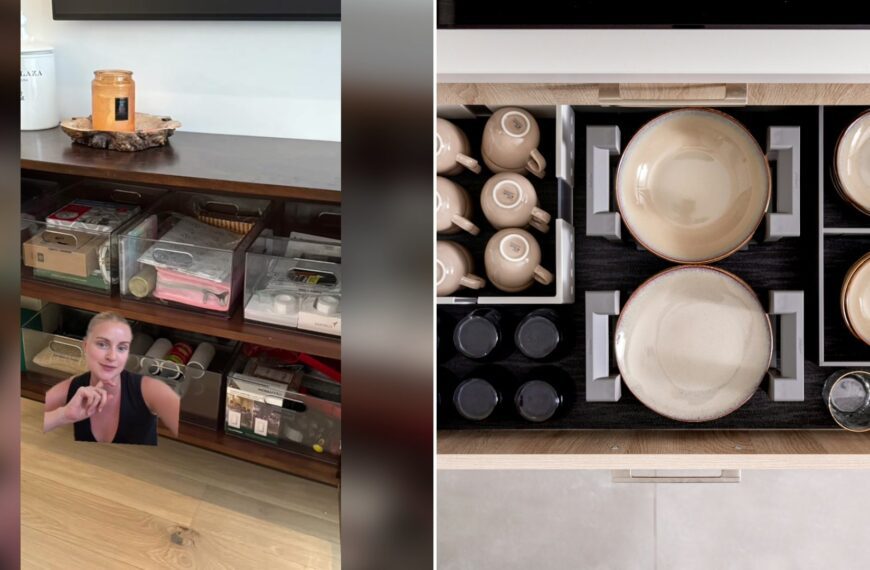
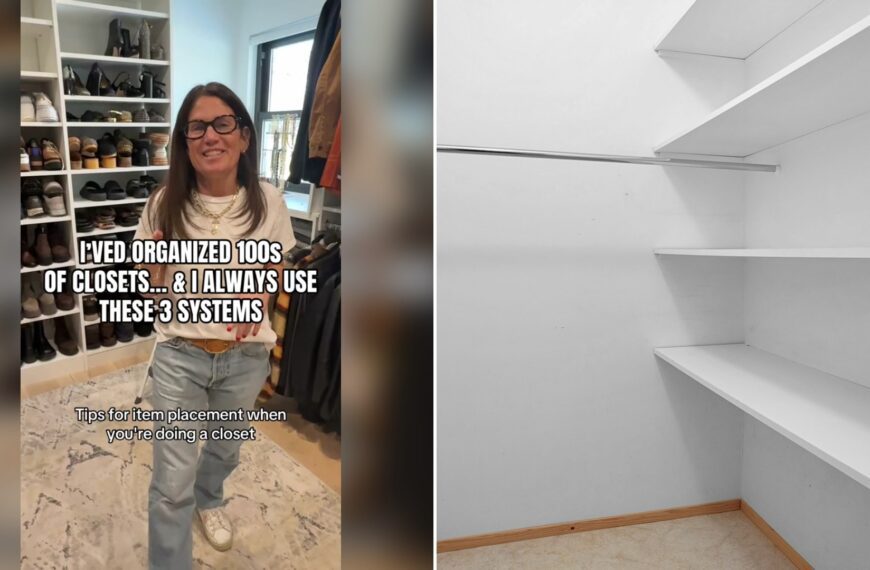
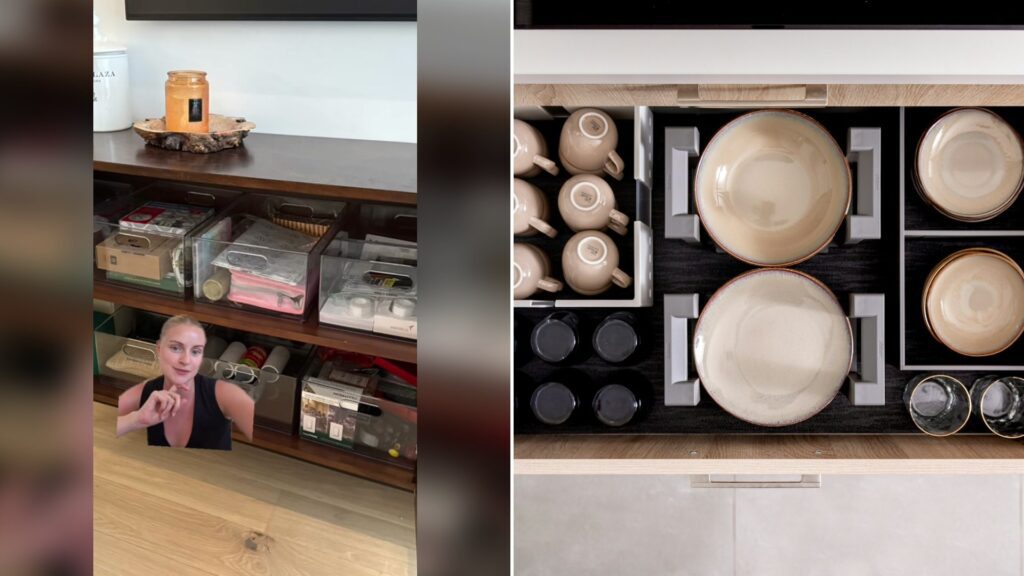
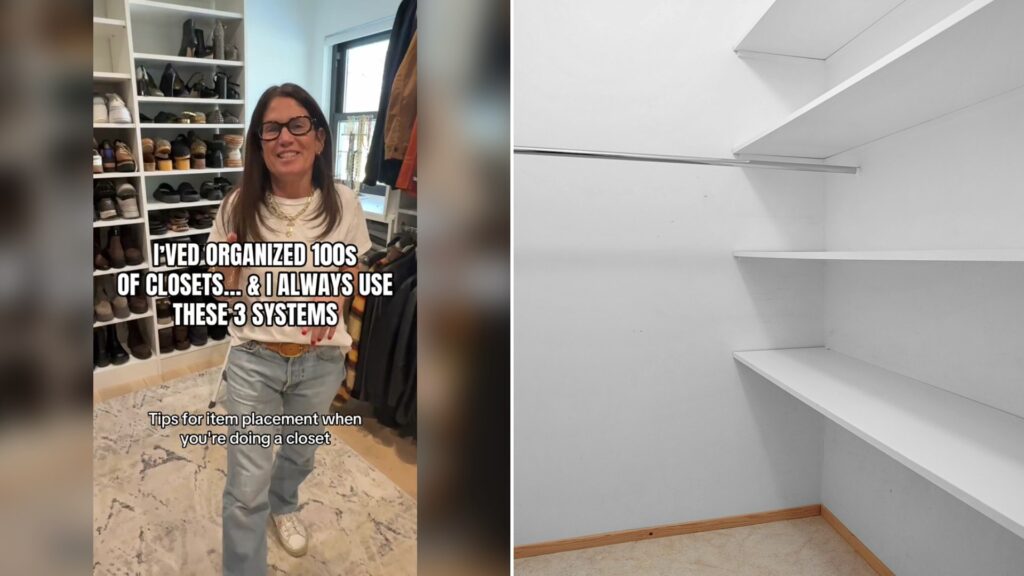
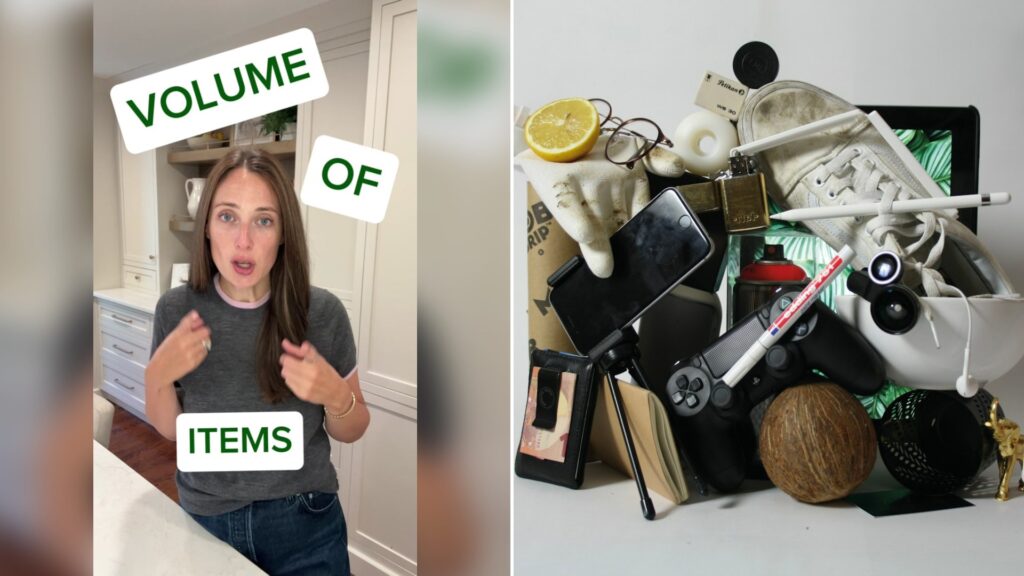
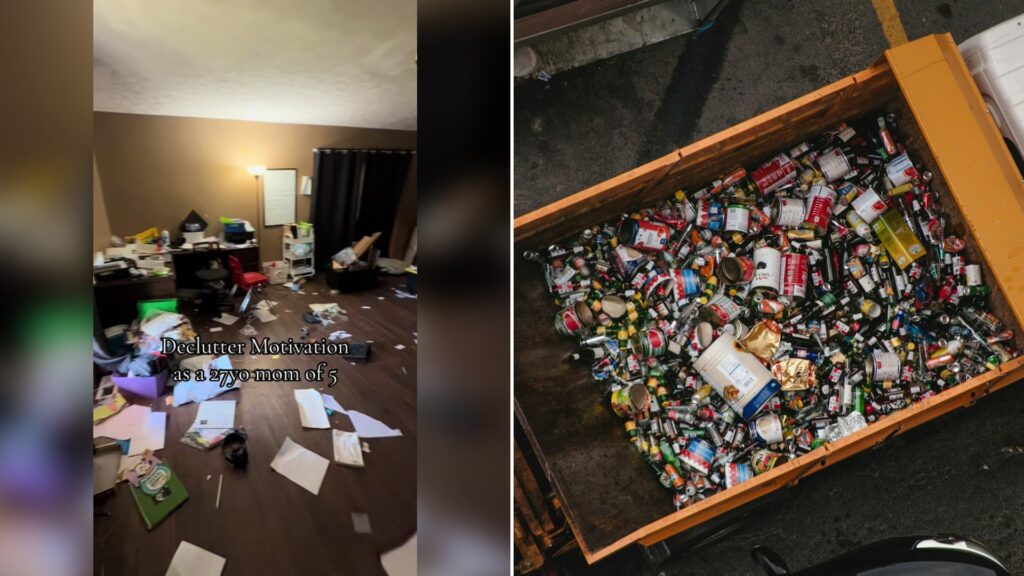
Most of us want a room that goes from a cluttered mess to a calm, clear space. But @dana.litz says the biggest misconception about decluttering is the idea that you can finish it in a weekend. She decluttered her entire room, and she is honest about how long it really took: six months. And she says she is still decluttering.
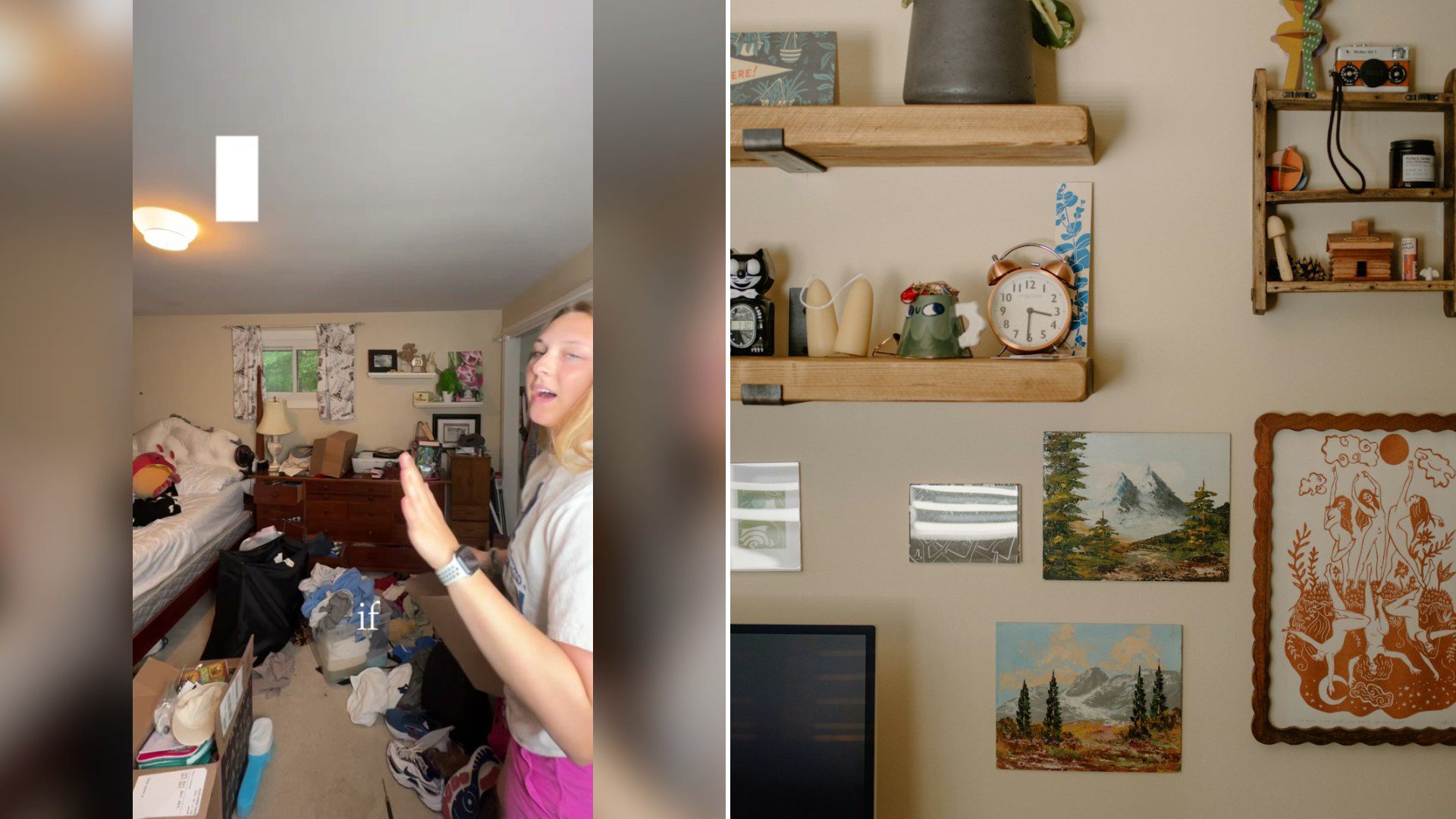
She is on what she calls a journey to make minimal moves to improve her life, and decluttering was the first one. Looking back, she shared what she would do differently if she could start over.
@dana.litz
The Myth of the Weekend Declutter
It is easy to believe that a few busy days will fix years of accumulated stuff. Social media is full of dramatic before-and-after shots that make it look quick. She pushes back on that. It took her six months to reach the point she is at now, and she is still going. If you set a weekend deadline, you may feel like a failure when you are not finished by Sunday night, and failure is the fastest way to quit.
Seeing decluttering as a long game takes the pressure off. You are changing the way you live with your belongings, and that is not done in one weekend.
Start With Visual Friction Zones
Her first piece of advice is to focus on what she calls visual friction zones. This means any space in your home that you see the most and that causes friction in your daily life. Her example is a kitchen counter. If it is covered with stuff, you will not have room to make breakfast in the morning, and that adds stress to your day.
When she began, she made a mistake that many people make. She dealt with the clutter she could not actually see, and spent a great deal of time cleaning out closets. She quickly learned how much your environment affects your mental health. The things you see every day matter more, so begin with what is right in front of you. It gives you an instant reward, because you notice the change every time you walk by.
Build a Clutter Corner
What if you have a little bit of everything everywhere? She says she is in the same boat, and her solution is to build a clutter corner. This is one designated spot where you collect the extras while you work on the rest. It helped her because she could clear one space right away. Then, about three times a week, she would go to the clutter corner, grab a few items, sit down to watch a movie and declutter that night.
It is a clever idea because it turns decluttering into something that fits into the evening. You are not scrubbing out the garage on a Saturday. You are sorting a small pile on the couch with a show on. The clutter corner also keeps things contained, so you do not feel like the house is out of control while you make your way through it.
Putting Her Advice to Work
Here is how you can use her lessons in your own home.
Give yourself a long runway. Plan on weeks or months instead of days. Choose a small goal, like clearing one surface a week.
Identify your friction zones. Walk through your home and notice where the clutter bothers you most. It might be the kitchen counter, the entryway table, the bathroom sink or the bedroom dresser. List them in order of annoyance.
Start with what you see. Clear the visible spots first, before you tackle closets, drawers and storage rooms. The benefits show up faster, and that keeps you motivated.
Set up a clutter corner. Use a basket, a box or a shelf in a spare corner. Put in anything that needs a decision. Then schedule a few short sessions a week to go through it.
Pair it with something you enjoy. Decluttering while watching a favorite movie or listening to music makes it easier to stick with.
Keep going. She says she is still decluttering, and that is okay. Once you reduce the amount you own, you will notice new things you can let go of. Maintenance is part of the process.
Notice how you feel. Her point about mental health is worth repeating. A room that is easier to move through and clean can feel more peaceful, and that may be the best reward of all.
Why the Slow Approach Sticks
There is another benefit to going slowly. When you declutter over months, you get to learn what you actually use. Each session teaches you something about your habits, your favorite things and the stuff that only looked useful in the store. That knowledge changes how you shop, which is the only way to keep the clutter from coming right back. A weekend blitz can clear a room, but it rarely changes the habits that filled it in the first place. A gradual approach does both at once.
Slow and Steady Wins
The takeaway from her story is patience. A cluttered room is not a quick fix, but it is not a lost cause either. By starting with what you see most, containing the extras in one spot and working in small bites, you can make real progress without burning out. And if it takes you six months, you are in very good company.