What began as a mother’s simple plan to share a favorite musical with her daughter almost turned into a humiliating eviction from a movie theater. Instead, a room full of strangers chose to stand up, turning a painful moment for a woman with cerebral palsy into a powerful lesson in public solidarity and disability awareness. The story of Jodie Howard and her daughter, Rosie, is at once deeply personal and a clear snapshot of how quickly a community can change the script.
On its surface, it is a story about a screening of “Hamilton” and a manager who tried to remove a disabled woman from her seat. Underneath, it is about what happens when policies collide with real people, and how an audience’s decision to intervene can reshape not only one family’s night out but also a company’s response and a wider conversation about inclusion.
The night a celebration turned into a confrontation

For Jodie Howard, the evening started as a long-anticipated celebration. When she learned that a filmed version of “Hamilton,” her daughter Rosie’s favorite Broadway musical, would be shown in theaters, she did not hesitate to buy tickets. Rosie, who is 24 and has cerebral palsy, had fallen in love with the show’s music and story, and the screening promised a rare chance to experience it in a communal setting, on a big screen, surrounded by other fans.
The pair chose an Alamo Drafthouse Cinema, a chain known for strict etiquette and a curated moviegoing experience, expecting a comfortable, welcoming night. Instead, as the performance unfolded, the manager focused on Rosie’s vocal reactions and movements, treating her disability-related expressions as disruptions rather than part of how she experiences the world. That misreading set the stage for a confrontation that would leave Jodie describing the moment as one of the most painful of her life, and it would soon pull the entire audience into the story.
“That was the most heartbreaking part”
As the manager pressed the issue, Jodie watched her daughter’s joy drain away. Rosie, who had arrived excited and engaged, began to shrink into herself as she realized she was being singled out. Jodie later said that seeing her daughter withdraw and cling to her arm was “the most heartbreaking part,” a reaction that captured how quickly a supposedly accessible outing can become a source of shame for someone with a visible disability. Her account of that emotional shift, shared in detail with Howard, underscored that the harm was not just logistical but deeply personal.
For Jodie, the manager’s insistence that they leave did more than threaten to cut short a movie. It signaled to Rosie that her presence, and by extension her disability, was unwelcome in a public space. That message is familiar to many disabled people who navigate environments designed around narrow ideas of “appropriate” behavior. In this case, the heartbreak was compounded by the setting: a performance of “Hamilton,” a show that celebrates outsiders and reinvention, was being used as the backdrop for pushing a disabled woman toward the exit.
Security walks in, and the audience stands up
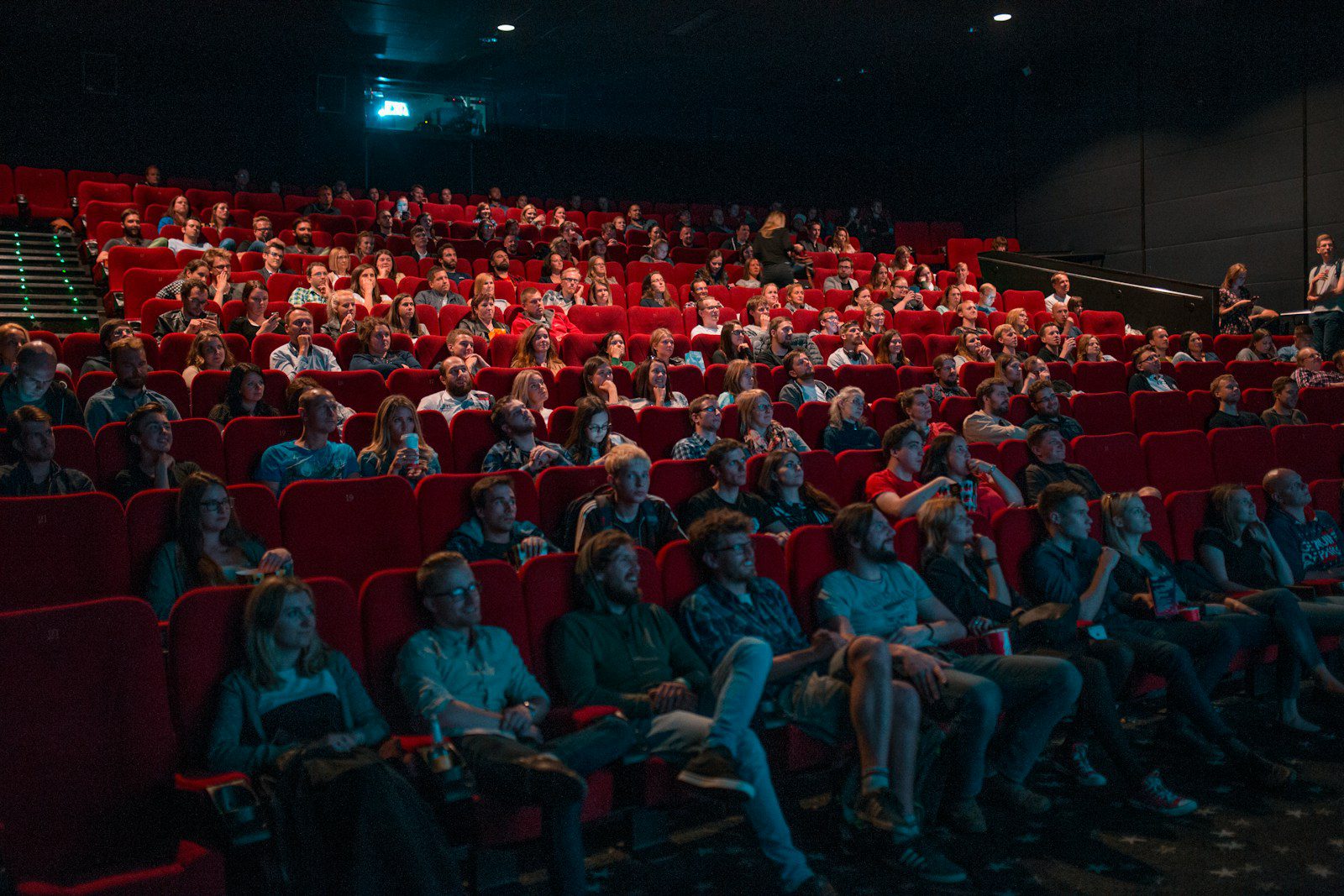
The situation escalated when two security guards entered the auditorium to remove Jodie and Rosie from their seats. What might have been a quiet, one-sided ejection instead became a turning point, because other moviegoers refused to stay silent. As the guards approached, people around the theater spoke up in defense of the pair, challenging the idea that Rosie’s presence was a problem and urging staff to let them stay. According to accounts of that moment, the crowd’s reaction was immediate and instinctive, a collective refusal to let a neighbor be pushed out for behavior linked to her disability, as described when When security arrived.
That spontaneous solidarity changed everything. Instead of quietly escorting a mother and daughter into the hallway, staff found themselves facing a room full of patrons who were not willing to trade someone else’s dignity for an uninterrupted show. The audience’s pushback echoed similar reports shared on social media, including a widely circulated post noting that when security guards came to remove a woman who lives with cerebral palsy from a “Hamilton” screening, the crowd treated the moment as a kind of audience participation, rallying around her in real time, as captured in a When security post.
A Facebook post, a viral response, and a corporate apology
In the days after the screening, Jodie wrestled with whether to share what had happened. She ultimately decided to write about the experience in a detailed Facebook post, describing how a night meant to celebrate Rosie’s love of “Hamilton” had nearly ended with them being kicked out. She hesitated at first, worried about exposing her daughter to more scrutiny, but the response was swift and overwhelming. The post went viral, drawing support from people who recognized their own experiences in her story and from others who were simply outraged that a woman with cerebral palsy could be treated as a nuisance for reacting to a performance she adored.
Jodie did not stop at social media. She also wrote a formal letter to corporate leadership detailing the encounter, outlining how the manager and staff had handled the situation and what it had meant for Rosie. In response, The Alamo Drafthouse Cinema issued a public statement and apology, acknowledging the incident and addressing the concerns she raised, after She reached out. The company’s reaction showed how a single family’s story, amplified online, can push a major chain to confront how its policies and training affect disabled guests.
Rosie’s compassion, the community’s lesson, and what comes next
For all the hurt of that night, Jodie has emphasized that Rosie’s response has been rooted in compassion. She has said that her 24-year-old daughter, who has cerebral palsy, has taught her more about empathy than anyone else, a perspective she shared while reflecting on how Rosie processed the ordeal and the support they received from strangers in the theater, as noted when Jodie Howard spoke about her. That outlook reframes the story not only as an account of discrimination but also as an example of how disabled people and their families continue to model grace in the face of exclusion.
The ripple effects have extended beyond one auditorium. Jodie’s experience has fueled broader conversations about how venues train staff, how they interpret “disruption,” and what true accessibility looks like in practice. It has also highlighted the importance of physical and cultural accessibility, from the layout of a theater to the attitudes of the people who run it, a point that resonates with ongoing efforts to make public spaces more inclusive, including at places like Alamo Drafthouse locations. In the end, the night that nearly ended with a woman being forced out of a “Hamilton” screening is now remembered for something else: a room full of people choosing to stand up, and a mother deciding that her daughter’s story deserved to be heard.
More from Decluttering Mom: