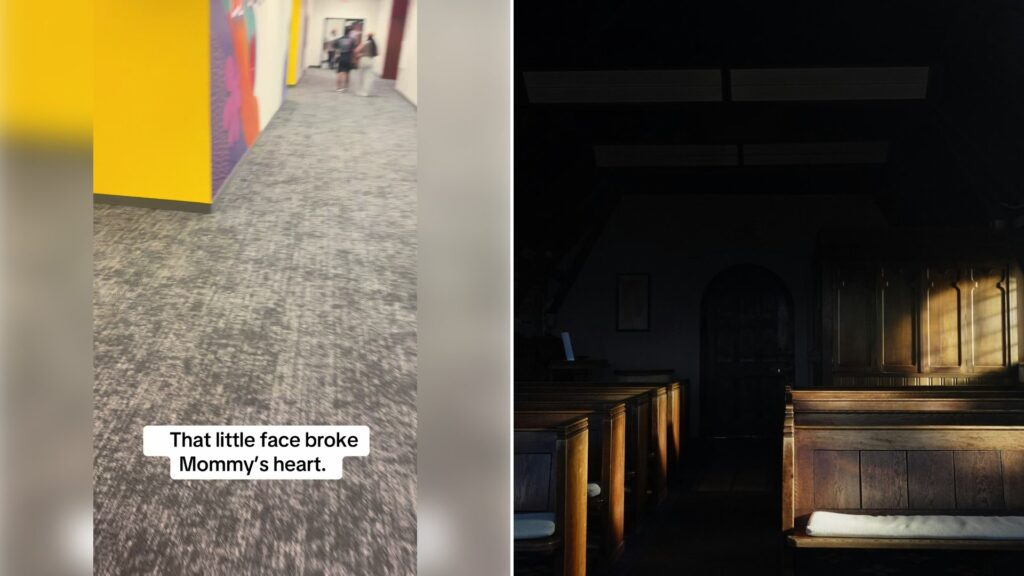
A school performance video posted by @thatash97 has spread far beyond the usual TikTok audience, racking up millions of views for a moment that lasted only a few seconds but said everything about how children can show up for each other. The footage shows a young girl with sensory processing disorder standing on stage with her class, singing along, when she suddenly stops. Her body goes rigid, her face shows real distress, and for a moment it looks like she is simply going to be left standing there, frozen, in front of the whole school.
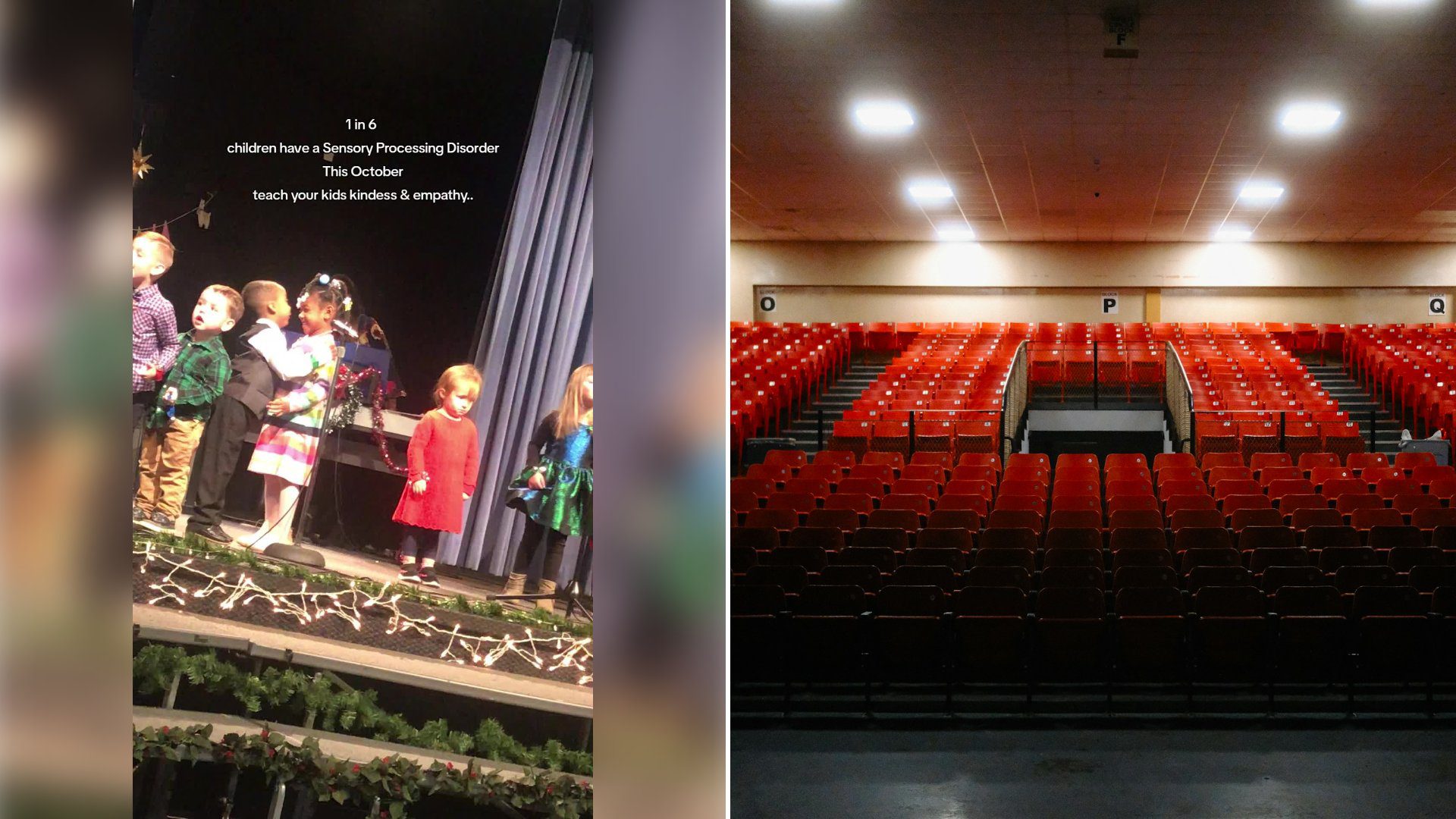
Instead, the classmates around her do something that was clearly not rehearsed or prompted by an adult. Rather than continuing on with the song and leaving her behind, the kids closest to her stop too. They turn toward her, some reach out, and the group slows down to meet her where she is instead of plowing ahead without her. It is an unscripted display of childhood empathy, and it is exactly why the clip has resonated with so many parents, teachers, and therapists who work with kids with sensory differences.
@thatash97
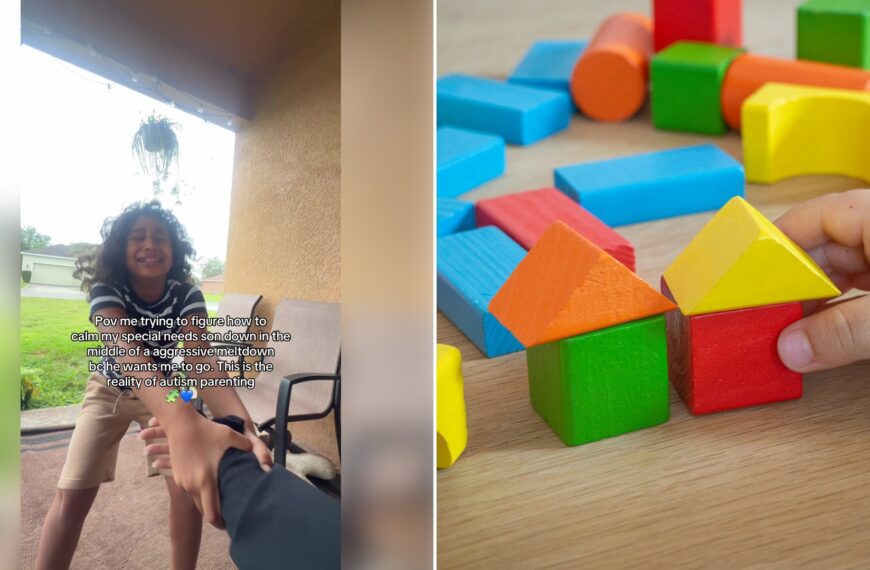
Sensory processing disorder is far more common than most people realize, and that is a big part of why this moment matters. Occupational therapists and researchers who study sensory processing commonly cite figures suggesting roughly one in six children experiences some degree of sensory processing difficulty significant enough to affect daily functioning, whether or not they carry a formal diagnosis. For a child with sensory processing differences, a school performance is a minefield of overwhelming input all at once: bright stage lighting, a crowded auditorium, unfamiliar acoustics, the pressure of being watched, and the physical closeness of standing shoulder to shoulder with classmates. Any one of those factors can be enough to push a sensitive nervous system past its limit. Combined, they can trigger exactly the kind of freeze response caught on camera.
What makes a freeze response different from a simple case of stage fright is that it is not a choice. When a child’s sensory system becomes overloaded, the nervous system can shift into a fight, flight, or freeze state, and freezing is a common and completely involuntary reaction, especially in young children who do not yet have the tools to self-regulate or communicate what is happening to them in the moment. A child frozen on stage is not being shy or difficult. Their body has essentially hit a wall.
That is exactly why the reaction from her classmates matters so much. Special education teachers and inclusion specialists frequently talk about the difference between a child being accommodated by adults and a child being included by their peers, and peer inclusion tends to have a far bigger impact on how a child with sensory differences feels about themselves long term. When classmates notice distress and respond with patience instead of indifference, it sends an unmistakable message: you are still part of this group even when things get hard for you. That message, delivered by other eight or nine year olds rather than by a teacher stepping in, is part of why so many viewers found the moment so moving.
Classroom inclusion experts generally recommend a few concrete strategies for helping kids with sensory processing differences feel supported during group activities like performances: giving the child a clear, practiced exit cue they can use without having to explain themselves in the moment, positioning them near the edge of a group rather than the center so sensory input is naturally reduced, and most importantly, modeling for the whole class ahead of time that pausing to help a struggling peer is always the right call, never a disruption. Schools that build this kind of peer awareness into everyday classroom culture tend to see exactly the sort of spontaneous support shown in this video, rather than needing to rely on an adult noticing and stepping in after the fact.
There is also a broader lesson here for any parent raising a child with sensory sensitivities who worries about how their child will be treated by peers in big, unpredictable settings like school assemblies. This video is a reminder that kids are often far more perceptive and far kinder than adults give them credit for, and that an inclusive culture, once it takes hold among children, can show up in the small, unscripted moments that matter most.
More from Decluttering Mom
- Parent Lists the Signs of Childhood Anxiety That Moms Often Miss and Explains When It Is Time To Bring Concerns To Your Child’s Pediatrician
- Parenting Expert Shows What To Do When a Child Melts Down in a Public Place and Offers the Phrase She Wants Overwhelmed Parents To Try Next Time
- Autism Mom Filming Her Daughter at an Autism Festival Steps In When a Bounce House Meeting With Another Girl Turns Fast, and Both Moms Redirect Their Own Kids