

Any parent who has signed a kid up for a team knows the feeling. First comes the registration fee. Then the uniform, the cleats, the tournament weekend, the snacks and the gas. Somewhere along the way, you realize the season cost a lot more than the sign-up sheet suggested. A new national survey puts real numbers on that feeling.

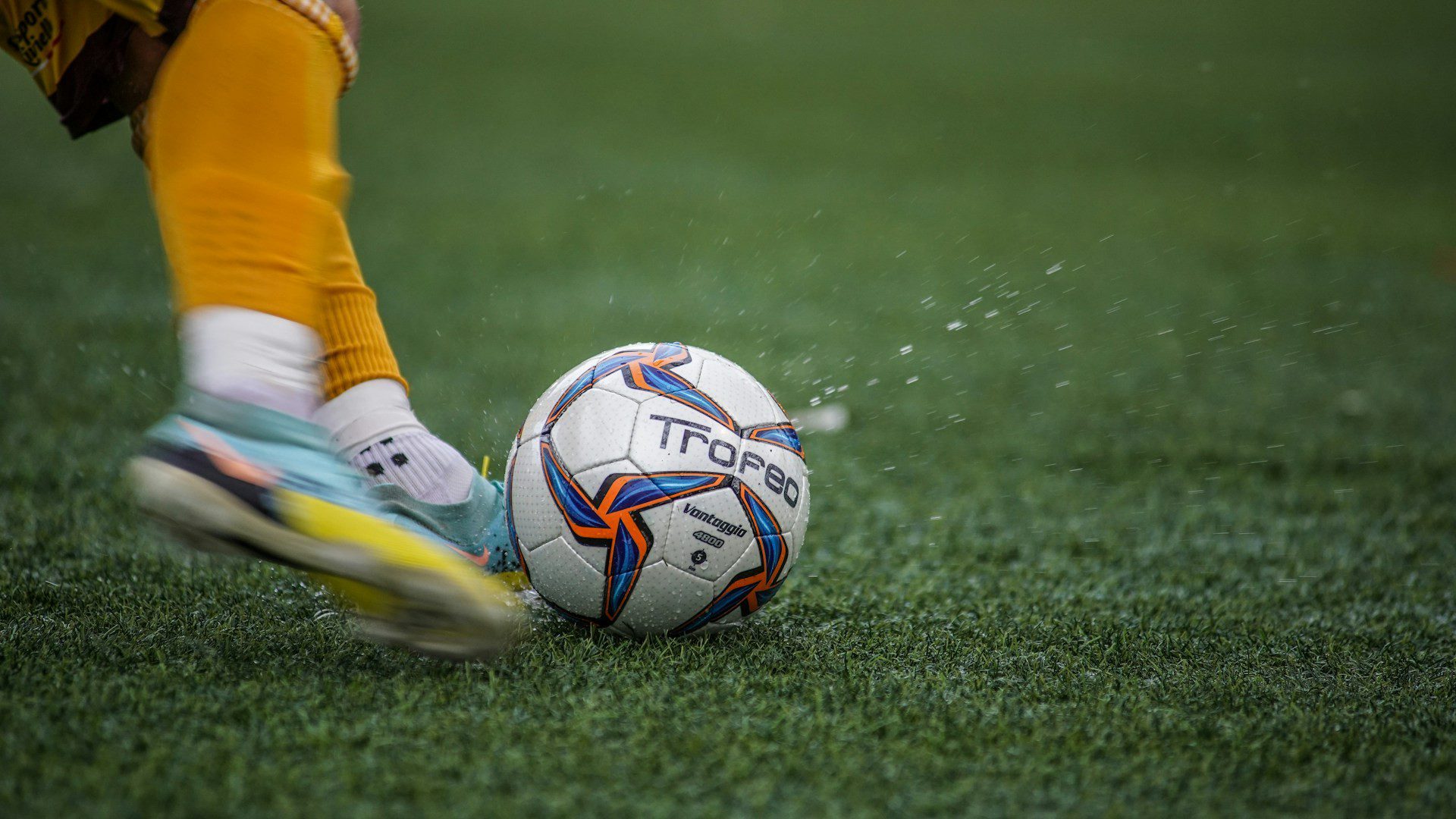
According to the Aspen Institute Project Play National Youth Sports Parent Survey, conducted with Utah State University and Louisiana Tech and published in early 2025, the average family spent $1,016 on a child’s primary sport in 2024.
The numbers behind the receipts
The survey questioned 1,848 parents of kids ages 6 to 18, and it was fielded in November and December 2024. Here is what it found:
- The average family spent $1,016 on a child’s primary sport in 2024.
- That is up 46 percent since 2019, which is about twice the pace of US inflation.
- Another $475 goes to other teams, bringing the total to nearly $1,500 per child.
- Parents spend more than $40 billion a year on youth sports.
A newer Project Play update from August 2025 confirms the 46 percent figure. It also adds that parents spend 3 hours and 23 minutes on each practice or game day. So the cost is not just money. It is time, too.
A fairness gap
One of the most striking findings is the gap between families at different income levels. According to the survey, families earning $100,000 or more spent $1,471 more per year than families earning under $50,000.
That gap raises a fair question: what happens to kids whose families cannot spend that much? When costs climb faster than prices in general, some kids are left on the sidelines or limited to fewer activities. The survey does not say that every family is priced out, but the pattern of higher-income households spending far more is hard to miss.
Which sports climbed the most
The survey also tracked spending changes over five years for several popular sports. Basketball spending is up 105 percent, soccer is up 69 percent and baseball is up 68 percent. If your child plays one of these, the sharp rise may not surprise you.
Those are big jumps, and they show how quickly costs can add up for the sports that so many families sign up for first.
Where the creep comes from
The report talks about the cost of a primary sport, and then there is the second team. The survey puts spending on other teams at $475 on top of the main sport. That second team is where many families feel the squeeze. A child who loves the game asks to join another team in the off-season, and it seems like a small request. But those extra costs raise the total to nearly $1,500 per child.
Multiply that by several kids in the family and you can see how a budget gets stretched. This is the kind of spending that creeps up because each piece looks reasonable by itself.
What twice the pace of inflation means
It helps to picture what a 46 percent rise really feels like. Prices for nearly everything have gone up since 2019, from groceries to gas, and families have felt it. According to the survey, youth sports costs rose about twice as fast as inflation across the country. In other words, even after you account for everything else getting more expensive, this one climbed faster.
That matters for family budgets because sports spending rarely stands alone. It competes with school supplies, car repairs and everything else that comes up. A bill that grows faster than the rest of your costs gets noticed, and it can force parents into hard choices about which activities their children can do.
Talk it over as a family
One underrated tip is to have an open conversation with your kids about the cost. You do not have to make them feel guilty. Simply explain that every activity has a price, and ask which ones matter most to them. Kids are often more thoughtful than we expect, and they may be happy to choose one team they love over three they only half care about.
Remember, too, that the survey counts time as well as money, with parents spending 3 hours and 23 minutes on each practice or game day. A packed schedule can wear out the whole household. Sometimes the best savings come from doing a little less and enjoying it more.
How to keep the costs in check
- Set a yearly sports budget before registration opens. Decide how much you can spend per child and stick to it.
- Ask what is included. Find out whether the fee covers the uniform, equipment or tournaments, so there are no surprises.
- Buy gear secondhand. Kids outgrow cleats, gloves and pads quickly, and used gear in good shape can cost far less.
- Swap with other families. Trade equipment and uniforms with teammates and neighbors.
- Pick one main sport per season. A second team adds up fast, so ask whether it is truly worth it.
- Carpool. Sharing the driving cuts down on gas and saves you time, too.
- Ask about help. Some programs may have ways to lower the cost, and it never hurts to ask politely.
Do not forget the clutter
All that gear eventually ends up somewhere. Closets and garages fill with outgrown cleats, pads, jerseys and bags. When a season ends, sort through what your child still needs and pass on the rest. Selling or trading good gear can bring back some of what you spent and helps another family at the same time.
Youth sports can teach kids teamwork, confidence and plenty of good habits, and none of that has to come with a runaway price tag. A budget, a few smart habits and an honest talk about what matters most can keep your family in the game without emptying your wallet.
More Stories You May Like
- School Tells a Parent to Stop Making Their Kid Good Lunches Because Other Kids Are Jealous and Parents Are Furious
- Couple Paid Sixty Dollars For A Vintage Ethan Allen Piece And Loved The Solid Maple So Much They Nearly Kept It Before Listing For Eleven Hundred
- How to Thrift Things That Actually Sell Is Explained by a Reseller Who Says Most People Buy the Wrong Items