When I started decluttering my home, I quickly learned that not everything in good condition can be donated. It’s easy to assume that if an item looks fine, it’s okay to give it away.
But the truth is, there are certain household items that donation centers simply won’t accept, even if they appear clean and usable. Knowing which items to hold onto or dispose of properly can save you time and help charities avoid unnecessary hassles.

Broken electronics
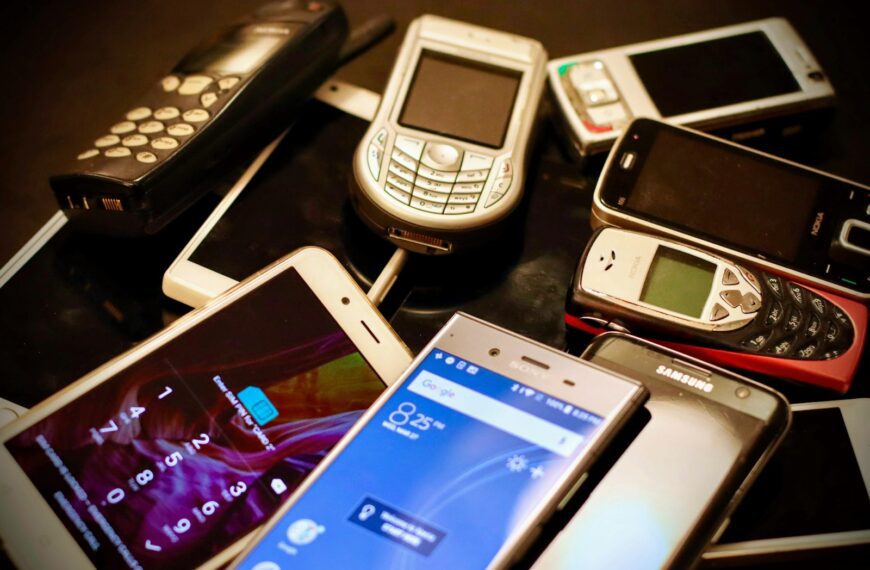
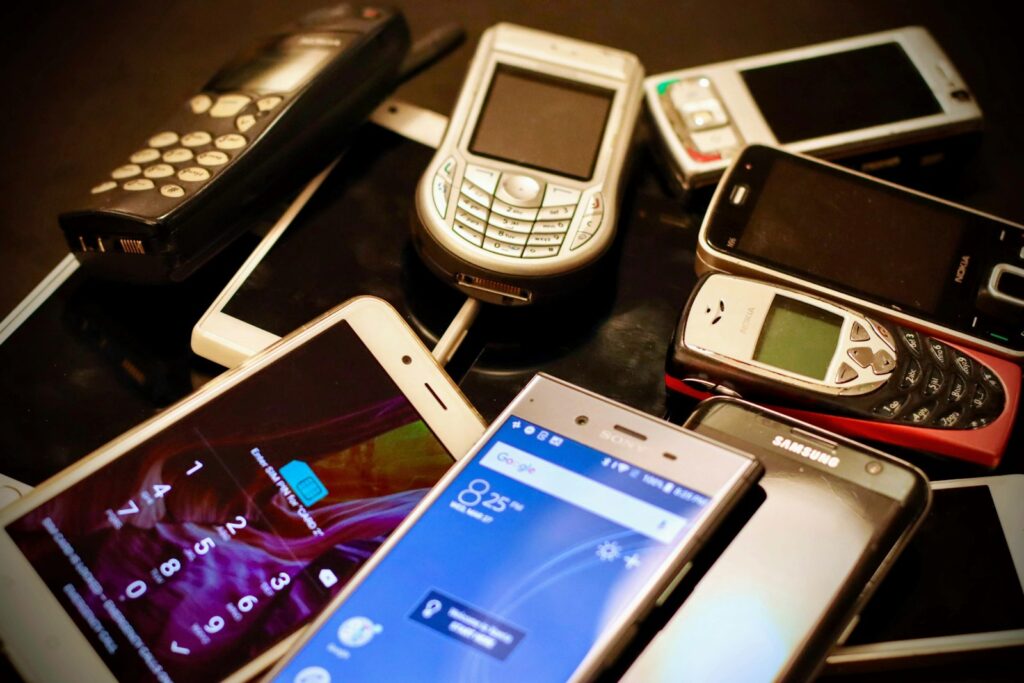
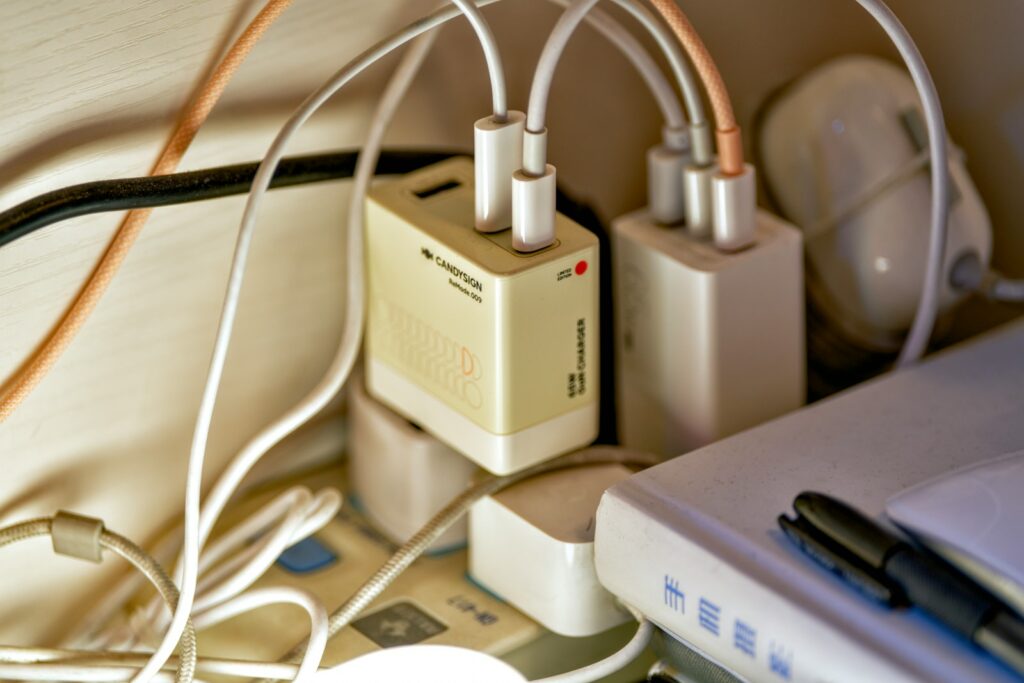
I’ve learned that broken electronics are a no-go when it comes to donations. Many thrift stores simply can’t accept them because fixing these items can be costly or unsafe.
Even if an old gadget looks fine, if it doesn’t work, it usually ends up as clutter for the charity. I prefer to recycle broken electronics responsibly or use trade-in programs instead.
Keeping these items out of donation piles helps reduce waste and prevents unnecessary headaches for those managing the donations. For more details on this, you can check this article about broken electronics and donation.
Used mattresses
I never donate used mattresses because they can hide bed bugs or mold, which could cause serious health issues for someone else. Even if mine looks fine, charities usually won’t take them for these reasons.
Mattresses are also tough to recycle properly due to their materials. Instead, I try to find a local facility that handles mattress recycling responsibly.
This way, I make sure my old mattress doesn’t create problems for others or end up in a landfill unnecessarily. For more details, see why used mattresses aren’t accepted for donation.
Expired medications
I’ve learned that expired medications shouldn’t be donated, even if they look fine. They can be unsafe to use because their effectiveness may decrease or they might even cause harm.
It’s also illegal for most charities to redistribute expired or unused medicine. Instead, I take mine to pharmacy take-back programs or participate in local “Drug Take-Back” events for safe disposal. This keeps everyone protected and helps avoid health risks.
If you’re not sure where to go, many pharmacies offer guidance on how to get rid of medicine responsibly. It’s a simple step that really makes a difference.
Incomplete toys
I’ve learned that donating toys missing pieces or parts isn’t helpful. Incomplete toys can frustrate kids and may even be unsafe.
I always check my toy donations carefully to make sure they’re complete and in good condition. If something is missing, I try to recycle or repurpose it instead.
Giving complete sets helps donation centers avoid extra work and ensures the toys will be enjoyed. It’s a small step that makes a big difference.
You can find more about why this matters in articles like those from craftyourhappyplace.com about things you should never donate to thrift stores.
Old paint cans
I’ve learned that old paint cans aren’t items donation centers can accept. Even if the paint looks fine, it’s often considered hazardous waste. This means it needs special handling to avoid harming the environment.
Instead of donating, I look for local hazardous waste facilities or programs designed for safe paint disposal. Sometimes, communities offer paint recycling options or reuse initiatives that help keep leftover paint out of landfills. It’s a better way to handle old paint and protect our planet.
For more on this, I found a helpful guide on paint disposal that I refer to whenever I have paint to get rid of.
Batteries
I always think twice before donating batteries because they can be hazardous. Many donation centers won’t accept them since batteries contain chemicals that can leak and cause damage or health risks.
It’s better to take old batteries to a proper recycling facility. That way, they get handled safely and don’t end up harming anyone or polluting the environment. I find local hazardous waste programs are a good place to start.
If you’re not sure where to go, you can usually find battery drop-off locations at electronics stores or community recycling events. This keeps the donation process responsible and safe for everyone.
Unregistered firearms
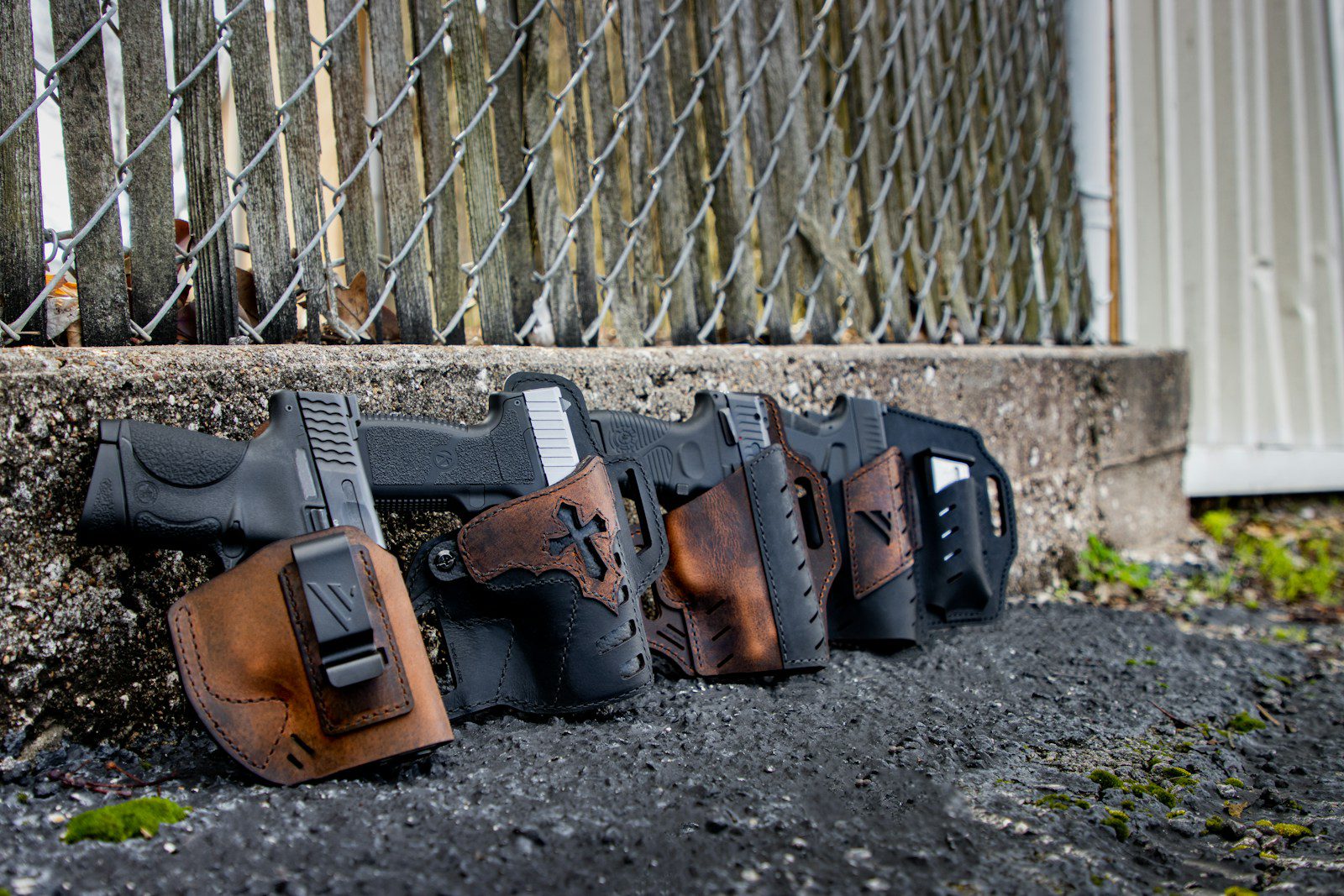
I’ve learned that unregistered firearms are a big no-go when it comes to donations. They’re firearms not officially recorded with the government, which can cause legal trouble for anyone handling them.
Because laws vary by state and region, it’s important to know that possessing or trying to donate unregistered firearms can lead to serious penalties. I always recommend keeping these firearms at home or using legal channels for disposal instead.
If you have questions, checking resources like what possession of unregistered firearms means in your area can be really helpful. It’s better to be safe than sorry when it comes to these kinds of donations. For more details, visit what you need to know about unregistered firearms.
Soiled or moldy clothes
I always avoid donating clothes that are visibly soiled or have mold. These items can carry health risks and damage other donations.
Even if a stain seems small, it might prevent the clothes from being reused or resold by charities. Moldy clothes are especially problematic because mold spreads quickly and can affect clean items.
If I find items like these in my donation pile, I either throw them away or look for special recycling programs that handle damaged textiles safely. It’s important to keep donation centers free of anything that could cause harm or spoil other contributions.
For more details, you can check what not to donate at declutteringmom.com.
Cracked dishes or glassware
I always think twice before donating cracked dishes or glassware. Even if they look fine at first glance, cracks can make them unsafe to use. There’s a risk they could break further and cause injury.
Most donation centers won’t accept these items because they can’t guarantee safety. It’s better to recycle or dispose of them properly instead of passing along a potential hazard. I’ve found it’s clearer and kinder to all if I only give away items in perfect condition.
Outdated textbooks
I used to think donating old textbooks was a great idea. But I learned many donation centers won’t accept them because the information quickly becomes outdated.
Plus, most places can’t sell them, so they just pile up. Instead, I prefer recycling them or donating to libraries and schools that might still find use for them.
Sometimes, online platforms buy back textbooks, which feels like a better way to keep them from going to waste. It’s a simple way to give your books a second life.
For more details, you can check out this article about household items you should never donate to Goodwill.