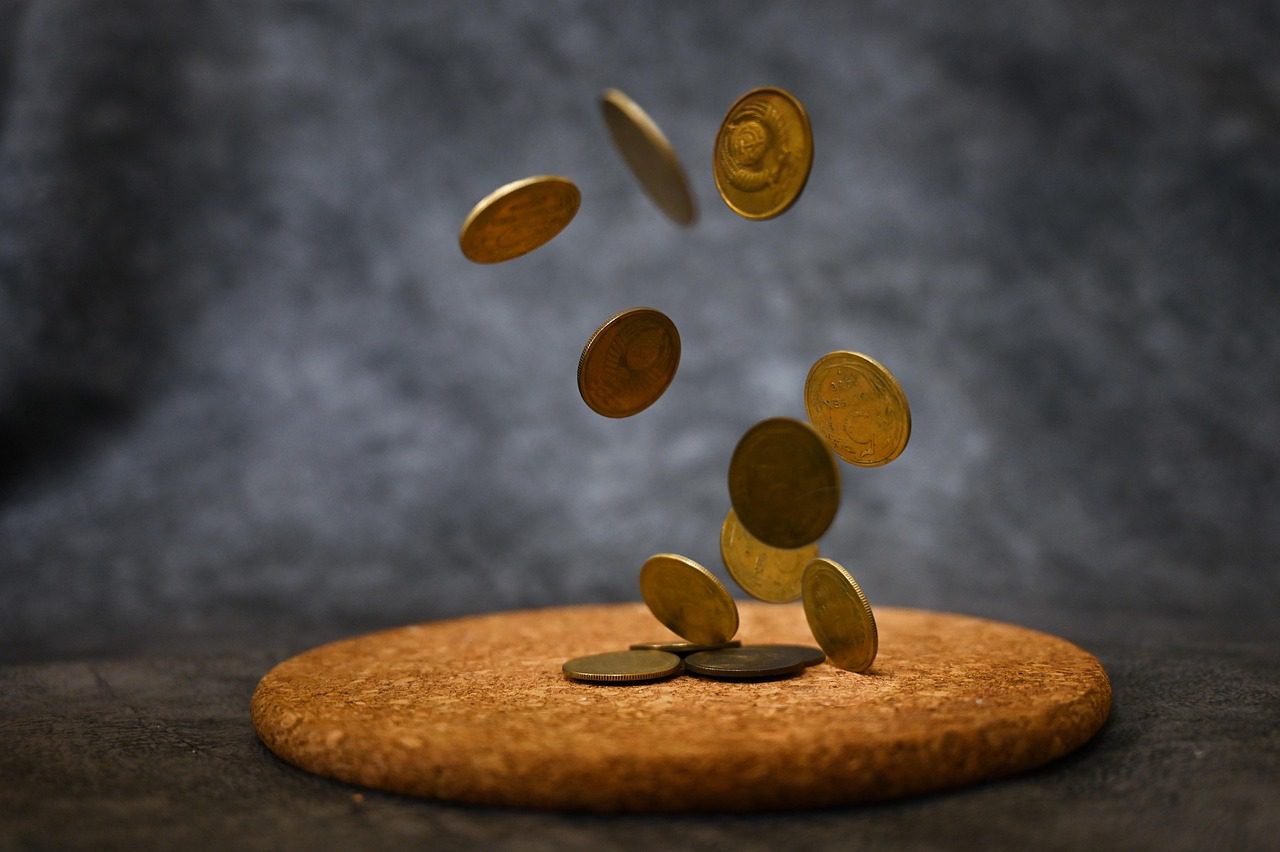
I’ve always been fascinated by how something as simple as a penny can hold unexpected value. While most pennies are just everyday change, some rare pieces still floating around could actually be worth a lot more than their face value. It’s interesting to think that those tiny coins in your pocket might be hidden treasures.
In fact, certain rare pennies still in circulation today could be worth thousands of dollars if you know what to look for. I wanted to share some of these valuable pennies to help you spot them and maybe even add a few to your collection or cash in on a lucky find.
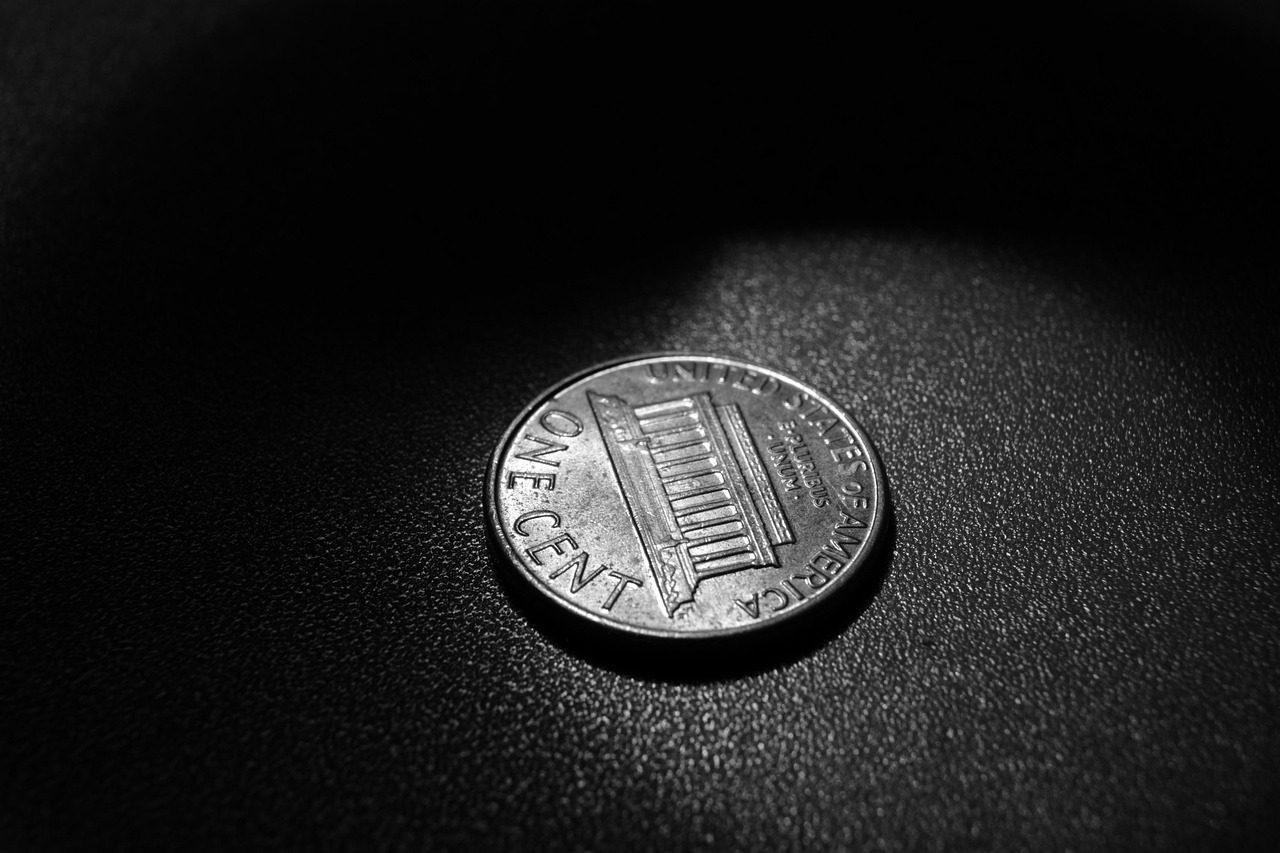
1909-S VDB Penny
I’ve always been fascinated by the 1909-S VDB penny. It was made to honor Abraham Lincoln’s 100th birthday and is one of the rarest pennies still out there.
Even pennies with some wear can be worth thousands. Mint-condition ones can sometimes sell for hundreds of thousands at auctions.
Finding one in your change feels like a small treasure hunt. These coins didn’t stay in circulation long, making them extra special for collectors like me.
1943 Bronze Cent
The 1943 Bronze Cent is a fascinating rarity. Most pennies that year were made of zinc-coated steel due to copper shortages in World War II. But a few bronze versions were mistakenly struck.
If you ever find one, it could be worth a lot. Some have sold for hundreds of thousands, even close to a million dollars. I always check my change just in case!
1955 Double Die Penny
The 1955 Double Die Penny is one of the most famous error coins out there. I find it fascinating because of the clear doubling you can see on the words “LIBERTY,” “IN GOD WE TRUST,” and the date “1955.”
Even pennies in circulation can be worth between $1,500 and $2,500 if they have this double die error. Uncirculated ones, especially in high grades, can fetch even more—sometimes tens of thousands of dollars.
If you think you have one, it’s important to check carefully or use a certified tool. Many coins show slight doubling that’s just machine wear, but only the true doubled die has that strong visual spread.
1944-S Steel Penny
I find the 1944-S steel penny fascinating because it’s one of the rarest coins out there. Only two known examples exist, making it incredibly hard to come by.
This penny was a mistake, struck on leftover steel blanks from 1943 instead of copper. Its rarity means even a worn coin can be worth a huge amount.
If you ever spot one, it’s worth getting it professionally checked. These pennies can be valued from hundreds of thousands to even more, depending on condition.
1999 Wide AM Penny
I’ve always been fascinated by the 1999 Wide AM penny because it’s a neat mistake in coin making. Normally, the letters “A” and “M” in “AMERICA” are close together on pennies. But in this version, they’re spaced wider apart.
This happened when special dies made for proof pennies were accidentally used on pennies meant for circulation. Some of these rare Wide AM pennies have sold for thousands, especially in top condition. Finding one in your pocket might be a lucky surprise!
1922 No D Penny
One of the rarest pennies I’ve come across is the 1922 No D penny. This coin was meant to have a “D” mint mark for Denver, but some came out completely missing it.
Finding one in circulation is like spotting a needle in a haystack. These pennies can be worth thousands, especially if they’re in good condition.
I find it fascinating how a worn die caused this minting error, making the coin a unique piece of history that collectors really value.
1931-S Lincoln Wheat Penny
The 1931-S Lincoln Wheat Penny is one of my favorite rare pennies because of its low mintage. Only about 866,000 were made, which is very small compared to other years.
Finding one in good condition is pretty tough since most were heavily circulated. High-grade examples can be worth thousands, and I’ve even seen gem-quality coins sell for over $90,000.
Even if the coin shows some wear, it still has value. I always recommend checking your collection carefully for this penny. It’s a neat piece of history and a great find for any coin collector.
1958 Doubled Die Penny
I find the 1958 Doubled Die Penny fascinating because it’s one of the rarest coins still in circulation. Only a few examples are known to exist, making it a prized find for collectors like me.
The doubling effect is easy to spot, especially on words like “LIBERTY” and “IN GOD WE TRUST.” Even though it’s just a one-cent coin, some have sold for hundreds of thousands or more.
If you come across a 1958 wheat penny, it’s worth checking closely for this doubled die error. You never know, it could be a hidden treasure in your pocket change.
1950-S Lincoln Wheat Penny
I find the 1950-S Lincoln Wheat Penny interesting because it’s not as common as some other pennies from that era. Minted in San Francisco, these coins tend to have a lower mintage compared to their Denver or Philadelphia counterparts.
Most 1950-S pennies I’ve seen in circulation have modest value, usually worth a few cents in average condition. However, if you find one in excellent or uncirculated condition, it can be worth significantly more, sometimes reaching several hundred dollars depending on its grade.
The key to spotting a valuable 1950-S penny is checking its condition closely. If yours looks sharp with clear details, it might be worth holding onto or getting appraised.
1909 VDB Lincoln Penny
The 1909 VDB Lincoln penny is one of my favorite rare coins. It was the first year the Lincoln cent was minted, and the designer Victor David Brenner’s initials (VDB) appear on the reverse.
These pennies are scarce, especially the ones minted in San Francisco, but even those from Philadelphia can be valuable. I’ve read that some still pop up in circulation, which is exciting for collectors like me. Their value can range widely based on condition, but finding one feels like hitting a small treasure.