As a pet parent, one of the most important places in your home is likely your pet supplies cabinet. It’s where you store essential items to ensure your pet’s health, hygiene, and happiness.
But, just like human first-aid kits or emergency supplies, it’s crucial to regularly check and replenish your pet supplies to keep your furry friends well-cared for. So, what should you keep in your pet supplies cabinet?
Here are the 10 things I always have on-hand.
1. High-Quality Food and Treats

Food is the foundation of your pet’s health, which is why it’s important to always have a supply of high-quality pet food in your cabinet. Look for food that is specifically designed for your pet’s species, age, and health condition. For example, puppies require different nutrients than senior dogs.
Remember to also keep a stash of your pet’s favorite treats – not only for training purposes but also as a way to build a bond with your pet. In addition to commercial food, consider incorporating some fresh, pet-safe fruits and vegetables into your pet’s diet. For instance, carrots and apples can be a healthy snack for dogs. However, always be sure to research beforehand as some human foods can be toxic to pets.
2. First Aid Kit
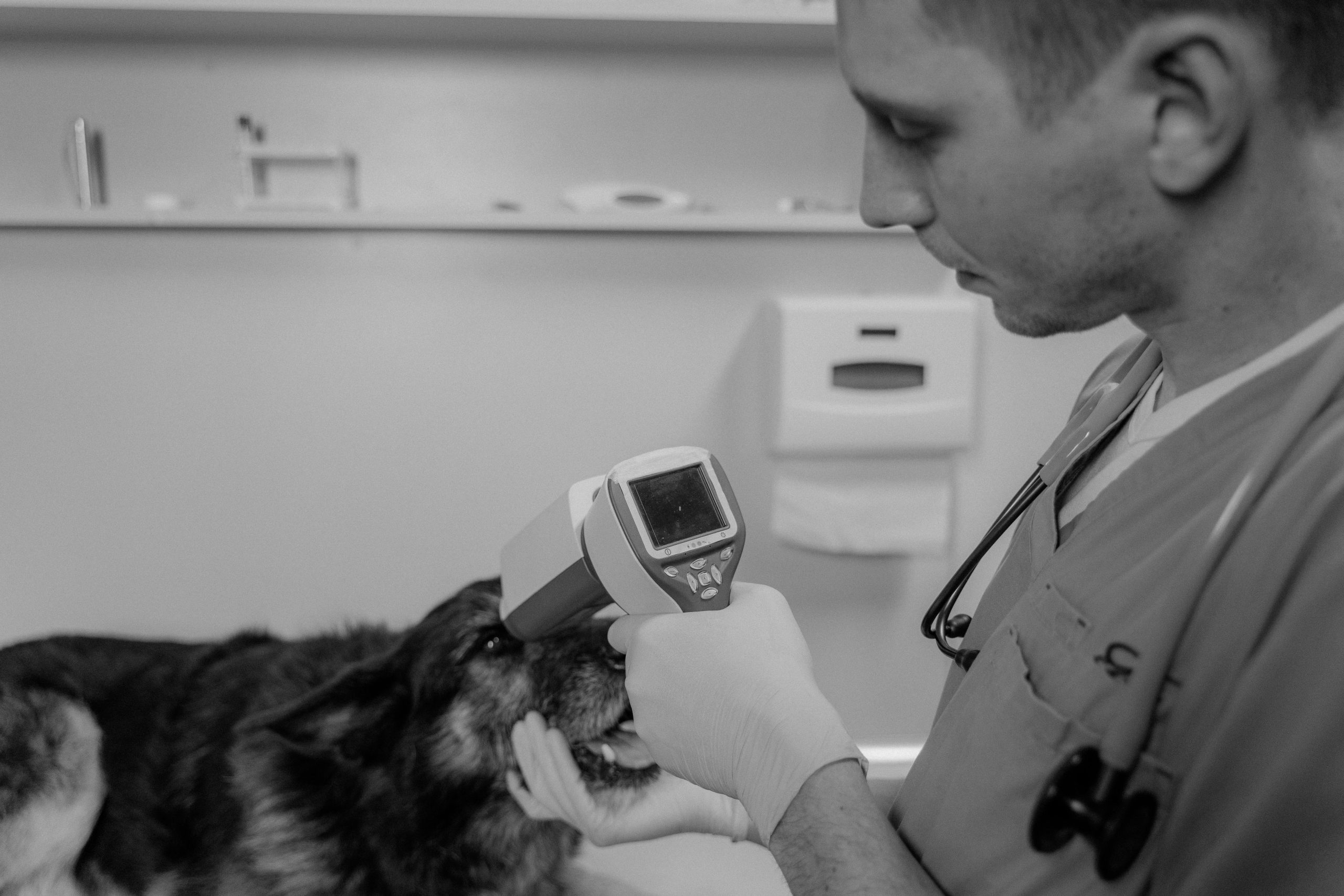
A pet-specific first aid kit is an absolute must-have. This should include items like bandages, tweezers, a digital thermometer, saline solution, and a pet-safe antiseptic. It’s also wise to have a copy of your pet’s medical records and a list of emergency contact numbers.
While we hope to never need to use a pet first aid kit, accidents happen. Be prepared by knowing how to use each item in the kit and having a plan for what to do in case of an emergency. Take the time to educate yourself about common pet injuries and illnesses, so you can react quickly and effectively.
3. Grooming Supplies
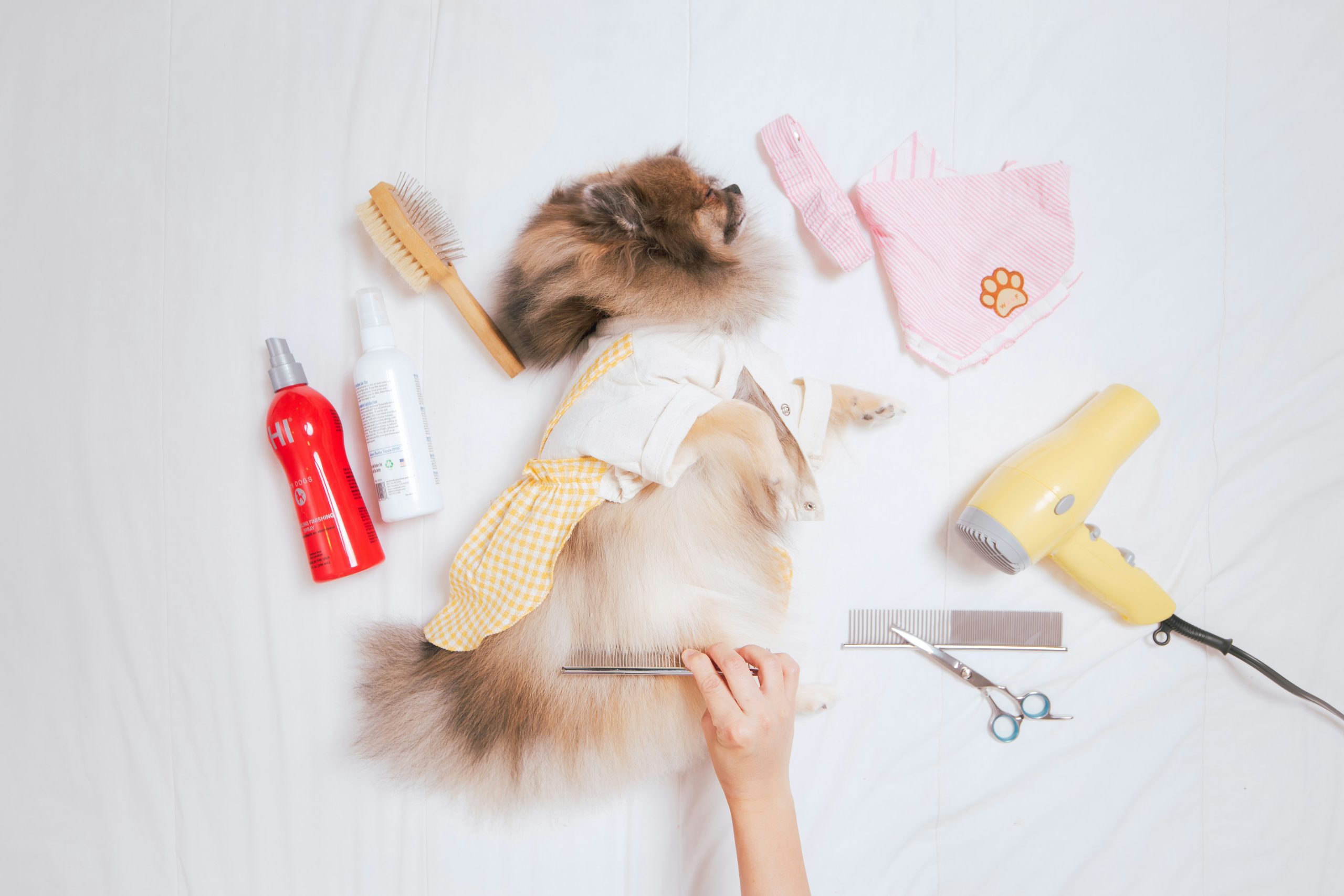
Grooming supplies are a must for any pet. This can include shampoos and conditioners, brushes, nail clippers, and even dental care products. Regular grooming is important for your pet’s health and can also be a great bonding activity.
Choosing the right grooming supplies depends on your pet’s breed and needs. For example, long-haired dogs may need a different kind of brush than short-haired breeds. Research is key when it comes to choosing the right products.
4. Toys

Toys are essential for a pet’s mental and physical stimulation. They can prevent boredom and destructive behavior, and they’re a great way to interact with your pet. Remember that not all toys are suitable for all pets.
Always choose toys that are appropriate for your pet’s size and chewing habits. For safety, regularly inspect toys for signs of wear and tear, and replace them as necessary.
5. Comfort Items

Comfort items, like beds, blankets, and clothing, can make a big difference in your pet’s well-being. These items can provide warmth, security, and comfort, especially during times of stress.
When choosing comfort items, consider your pet’s individual needs. For example, older pets might appreciate a heated bed, while anxious pets might benefit from a weighted blanket or anxiety wrap.
6. Training Tools
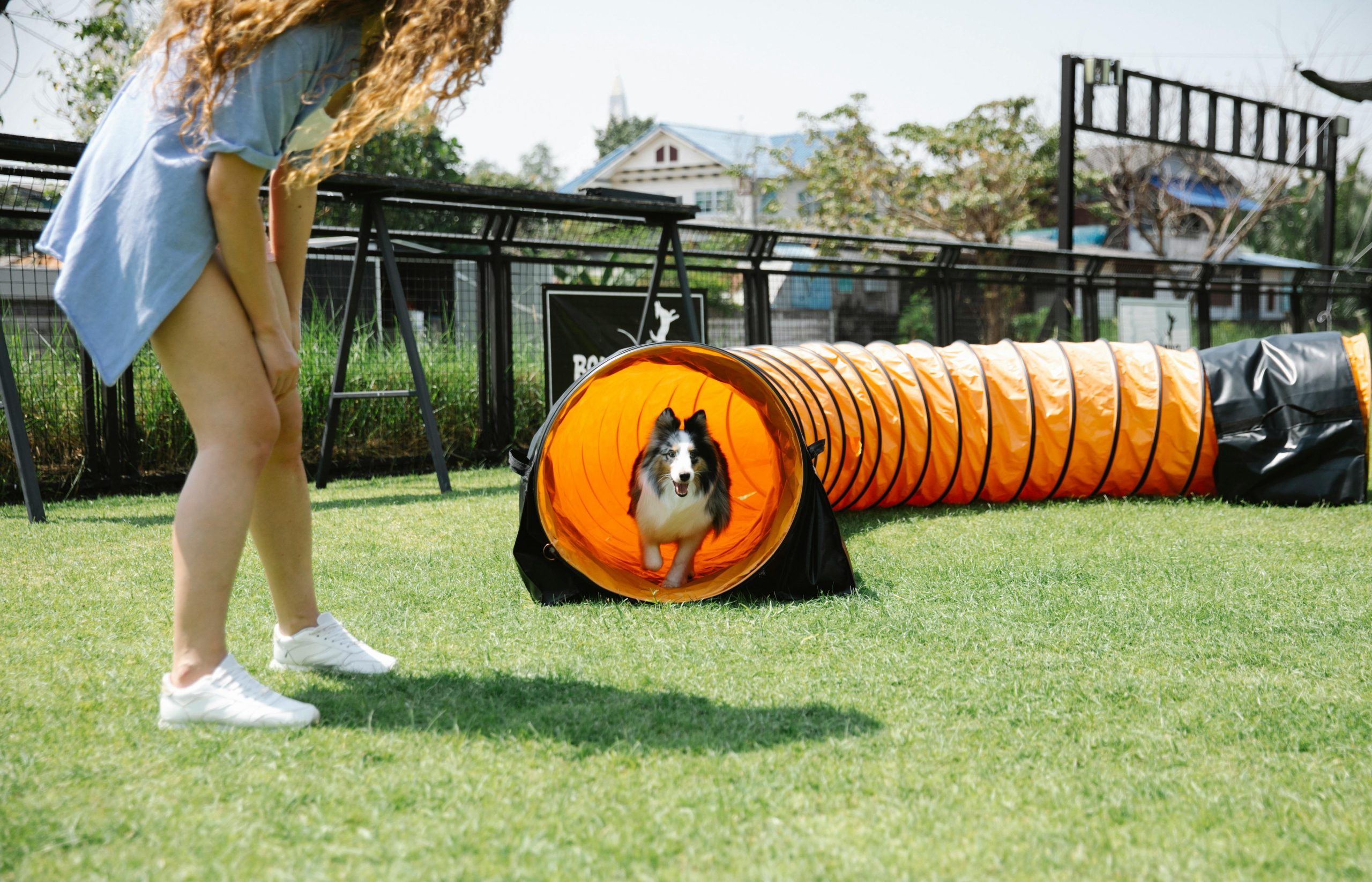
Training tools, such as clickers, target sticks, or treat pouches, can make training sessions more efficient and fun. They can also help you communicate better with your pet.
When using training tools, remember that consistency is key. Be patient, keep sessions short and positive, and always end on a high note.
7. Cleaning Supplies
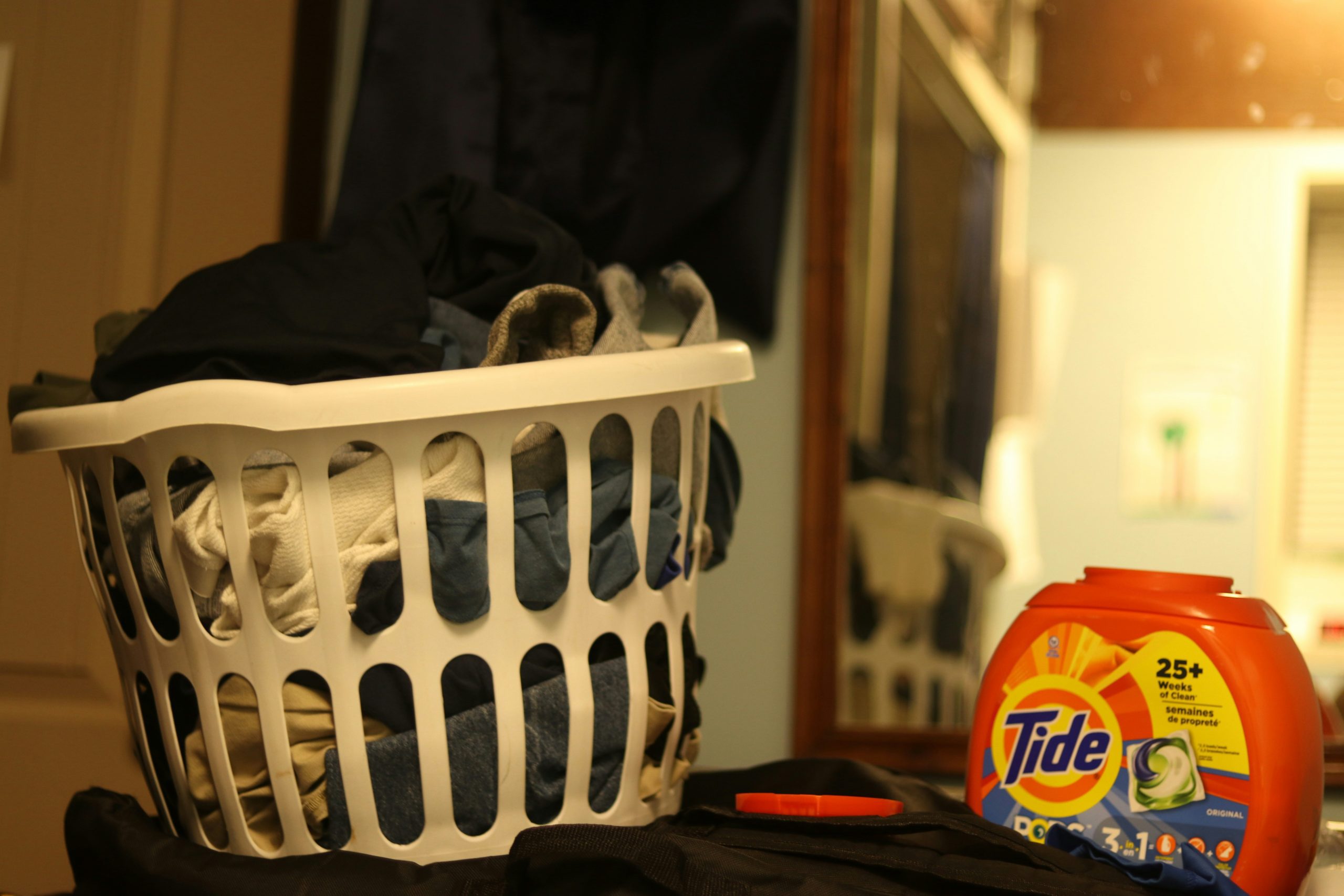
Accidents happen, and when they do, it’s essential to have pet-safe cleaning supplies on hand. This can include enzymatic cleaners that can break down pet stains and odors, as well as pet-specific laundry detergent for washing their bedding and toys. Remember that not all cleaning products are safe for pets. Avoid products with strong scents or harsh chemicals, as these can be harmful to your pet.
8. Leashes and Harnesses

Having a variety of leashes and harnesses can allow for safe and enjoyable walks, runs, or trips with your pet. Remember to have backups just in case! Choose leashes and harnesses that are appropriate for your pet’s size and strength. Also, consider your pet’s behavior and training level. For example, a no-pull harness can be a great tool for dogs that tend to pull on the leash.
9. Identification Tags and Microchips

Proper identification is crucial in case your pet ever gets lost. This includes both ID tags with your contact information and a microchip. Remember to keep your pet’s ID tags and microchip information up-to-date. If your pet is microchipped, make sure to register the chip and keep your contact information current.
10. Pet-Safe Pest Control
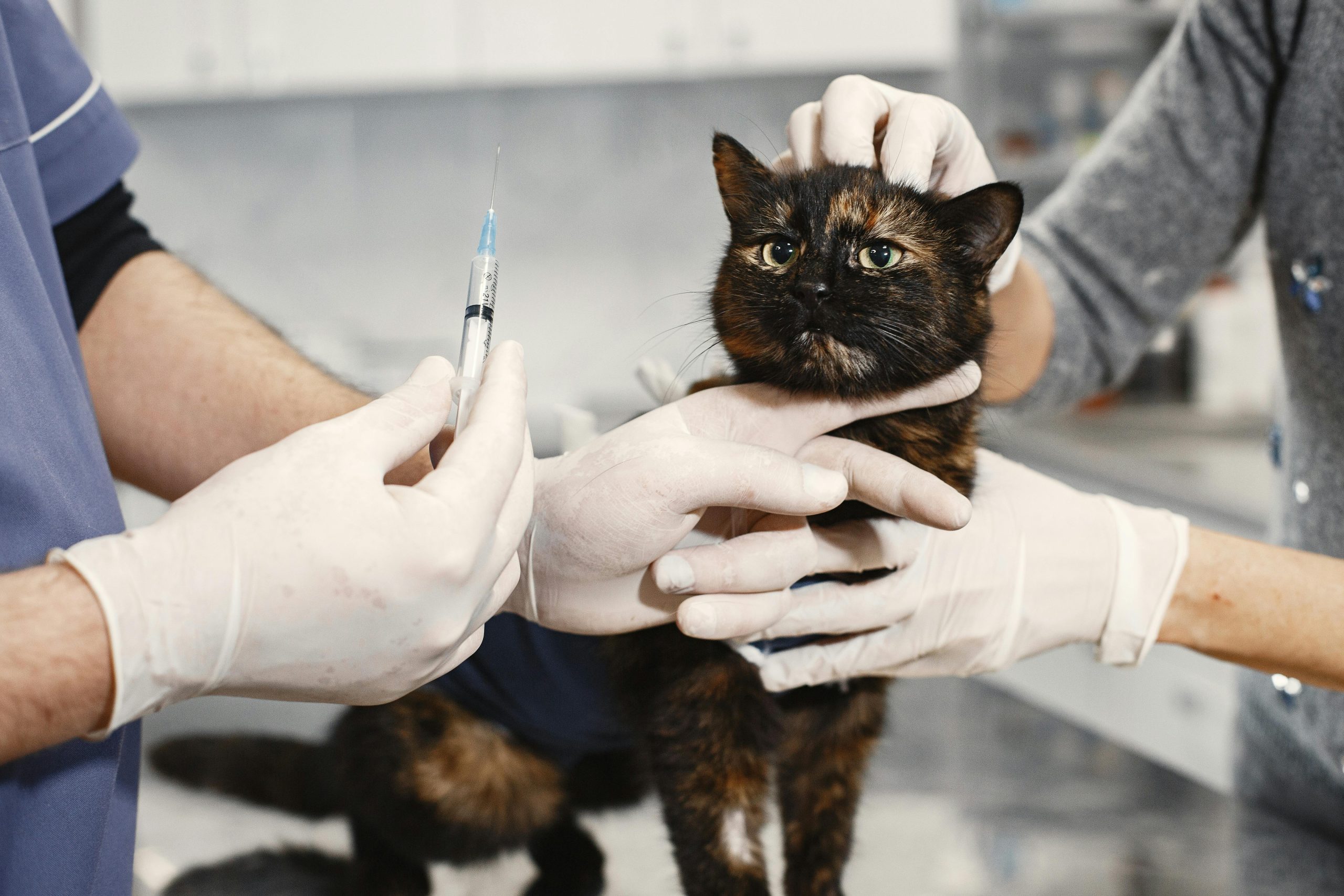
Finally, make sure to have pet-safe pest control products, such as flea and tick preventatives. These can protect your pet from various parasites that can cause serious health issues. When it comes to pest control, prevention is key. Follow your vet’s recommendations for flea and tick prevention, and consider using pet-safe insect repellent during bug season. Remember, never use products designed for humans on your pets, as they can be harmful or even deadly.
A well-stocked pet supplies cabinet can make pet parenthood a little easier and ensure that your furry friend stays healthy and happy. These ten items are by no means the only items you should have, but they are a good starting point. Remember, every pet is unique and may have different needs, so always consider your own pet’s individual needs when stocking your pet supplies cabinet.