Most of us have done it. A little leftover grease goes in the pan, a few coffee grounds get rinsed away, and we run the hot water to chase it all down the drain and call it a day.
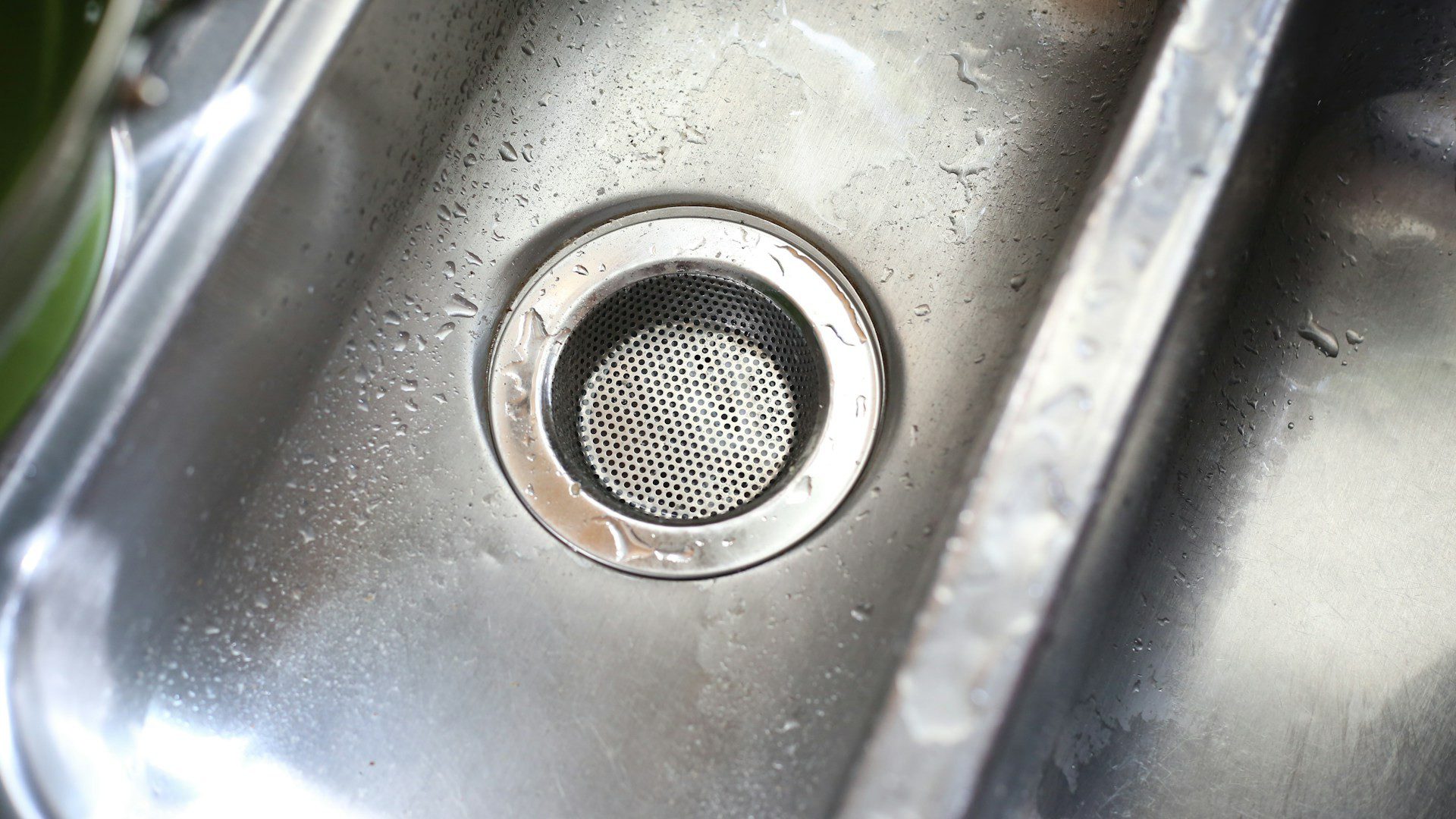
Plumbers say that habit is how slow drains start. Using guidance from the plumbing manufacturer Oatey and a Reader’s Digest list of things you should never pour down the drain, here are 10 things to keep out of your kitchen sink.
None of this requires fancy gadgets. It only takes a little awareness at the sink, and the savings can add up if it keeps a clog from ever forming.
Grease Looks Like Liquid Going Down, But It Hardens As It Cools
Oatey explains that grease hardens as it cools and coats the inside of your pipes, eventually causing a clog. Its advice is simple: let it cool, then throw it in the trash.
Reader’s Digest quotes Mike Thomas, a certified master plumber and general manager of Service Experts in Pittsburgh, who compares congealed grease to “a blood clot.” The magazine adds that the EPA cites grease, fats and oils as a major cause of sewer overflows.
Rinsing Coffee Grounds Away Builds A Gritty Layer Over Time
Oatey says repeated rinsing lets coffee grounds accumulate into a buildup, and suggests composting them or putting them in the trash. Reader’s Digest reports that the grit settles in pipe bends and traps other debris, which can lead to rust, corrosion and clogs.
Eggshells Have Sharp Edges That Snag Everything Else
Oatey notes that eggshells have sharp, hard edges that snag other debris and form blockages. Reader’s Digest quotes Thomas saying that once broken down, the bits “love to stick to the sides of pipes.”
Flour And Water Make A Paste That Sets Up Inside Your Pipes
Reader’s Digest reports that flour mixed with water forms a paste that hardens inside pipes and is hard to remove. Thomas, the plumber it interviewed, did not mince words about it and called flour “a cancer” for plumbing.
Potato Peels, Broccoli And Celery Strings Cling To The Pipe Walls
Oatey says fibrous foods such as potato peels, broccoli and cooked pasta have fibers that cling to pipe walls, dry out and pile up into clogs. It recommends keeping them out of the garbage disposal too.
Reader’s Digest adds celery strings to the list, saying fibrous scraps can wrap around disposal blades or lodge in pipes and form mats that block the flow of water.
Those Tiny Produce Stickers Do Not Break Down
According to Reader’s Digest, produce stickers stick to pipe walls, clog strainers and jam disposal blades. The magazine says they can also reach waterways without breaking down.
The fix takes two seconds. Peel the sticker off the apple before it goes anywhere near the sink, and drop it in the trash.
Citrus Peels Can Wear Down The Disposal Motor
Reader’s Digest reports that whole wedges and thick peels can wear down a disposal motor, and that seeds cause similar problems. Thomas told the magazine that it is “like putting a rubber ball in there.”
Dry Pet Food Swells Up When It Gets Wet
The magazine says dry kibble can swell to twice its size when wet, which can cause blockages. It shares the story of Wisconsin homeowner Doug McIntosh, whose plumber had to snake the line after a pet-food clog.
Old Medicines Do Not Disappear When They Go Down The Drain
Reader’s Digest says medications pass through wastewater treatment into rivers, lakes and groundwater, harming fish and wildlife. It cites a U.S. Geological Survey study, reported through the Cary Institute, that found pharmaceuticals in up to 80% of U.S. streams.
The FDA’s own advice for leftover pills is a pharmacy or police station take-back location, or a prepaid mail-back envelope, as described on its medicine disposal page.
Harsh Chemicals And Drain Cleaners Can Cause More Trouble Than They Solve
Oatey says pouring bleach, ammonia and other harsh chemicals down the drain pollutes water, and suggests taking them to a household hazardous waste collection center. Reader’s Digest adds that solvents and drain cleaners corrode pipes and pass through treatment plants, and that the EPA warns they can disrupt treatment systems and harm aquatic life.
Thomas also advises telling your plumber if you have used a chemical drain cleaner, because splashing is a safety risk for the person working on your pipes.
So what should you do with all of it? Keep a small container by the stove for grease, scrape plates into the trash before rinsing, and give scraps and grounds to the compost pile if you have one.
A strainer in the sink basket catches most of the small stuff for pennies. Hot water alone, as the plumbers above point out, will not save a drain from these ten culprits once they cool and settle in the pipe.
Here is an easy way to remember it. If it was once solid food, fat, grit or paper, and it will not dissolve like a sip of tea, it probably belongs in the trash or the compost bucket instead of the sink.
Teach the whole household, too. A note taped inside the cabinet door under the sink can remind grandkids and houseguests what goes where.
Ten small habits can keep a plumber’s truck out of your driveway, and your pipes will thank you for it.
More Stories You May Like
- Saying Yes To Every Bag Of Hand Me Down Kids Clothes Fills Your House With Things You Never Use, So Here Are Polite Ways To Say No And Sort First
- Woman Decided She Owns Way Too Many Things And Started With Notebooks And Pens Finding Notes From Her Senior Year Of College
- Retired Texan Takes A Second Pass At Decluttering The Guest Room And Says Start With The Bulky Stuff First Because Seeing Progress Keeps You Going