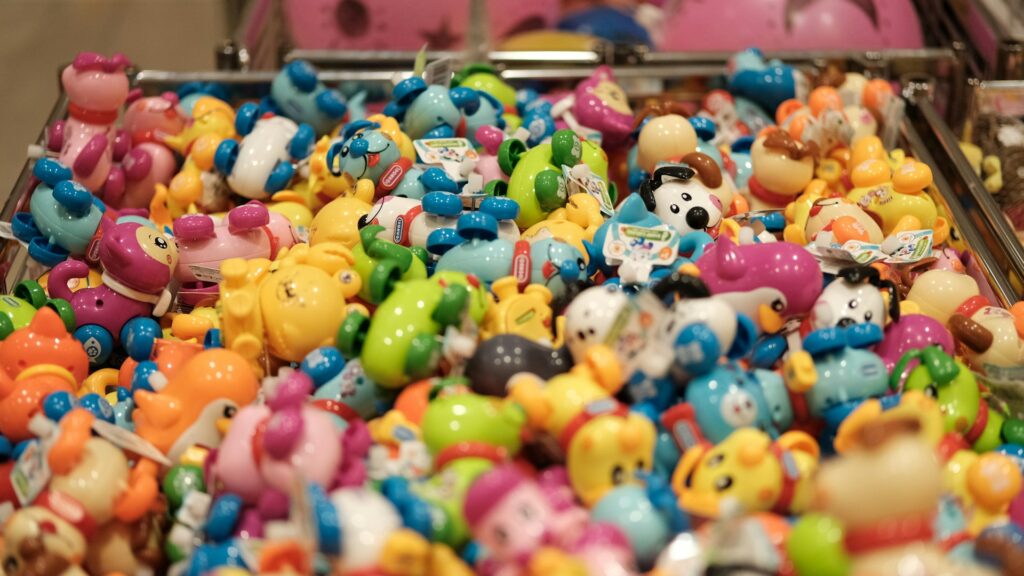
Clutter rarely arrives in one dramatic wave. It sneaks in a pile of mail at a time, a box in the corner, a drawer that will not quite close.
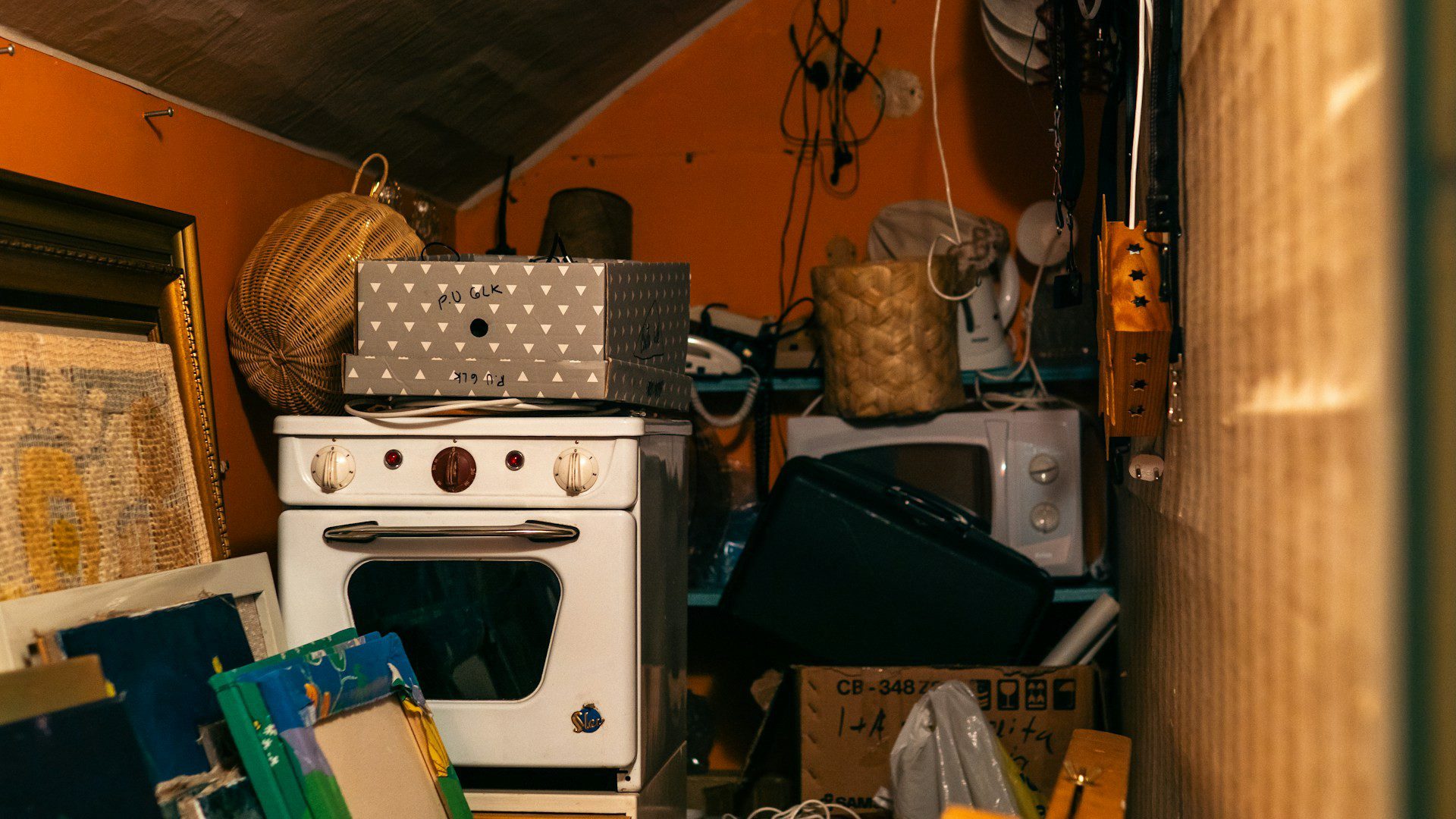
Gabriella Dyson, writing for Homes & Gardens in September 2024, describes what experts call clutter blindness. It is when people become so used to the disorder around them that they stop noticing it, which the article describes as a way of coping.
Julie Peak, a professional home organizer and founder of The Precise Place, says in that article that clutter blindness “isn’t about being lazy or not caring about your space.” She adds that the brain filters out piles people walk past every day. Here are 8 places where it tends to hide, drawn mostly from Drew Kerr’s clutter hotspot guide for Organized Interiors, published July 9, 2021.
Walk through your home with fresh eyes as you read. If a spot sounds familiar, that is the one to start with.
The Garage Quietly Takes Over The Space Meant For The Car
Kerr writes that garage clutter takes up space meant for vehicles, which then sit outside where they are more exposed to theft and vandalism. His suggestion is to start by tossing items you will not miss.
The Simplicity Habit’s Julianna Poplin, in an October 2022 post on clutter hotspots, adds that items pile up on surfaces and in corners, especially things to “deal with later.” She suggests donating or selling unwanted items.
Few places in the house are as easy to fix, and few are as quick to fill up again.
The Junk Drawer Is Mostly Junk
Kerr says most of what is in a junk drawer is junk. He recommends recycling outdated menus, testing pens and batteries, and discarding extra cutlery, condiment packets, old cords and loose change.
He suggests using dividers and keeping the most-used items at the front.
Behind a closed door, it is easy to ignore a problem for years.
Closets Rank As The Most Disorganized Storage Area
According to Kerr, a 2019 survey by the National Association of Productivity and Organizing Professionals, or NAPO, ranked closets as the most disorganized storage area. He says online shopping and fast fashion contribute to overstuffing.
His advice is to edit the contents at least once a year.
A cupboard is another spot that you open every day without really looking.
Kitchen Cupboards Hold Expired Spices And Gadgets Nobody Uses
Common kitchen clutter, Kerr writes, includes expired condiments and spices, unused appliances, excess containers and dishes, tote bags and stale food. He notes that ground spices last about three years and whole spices about four.
Keep only your favorite containers, he suggests, and let the rest go.
This is the first thing people see, and also the first thing the family drops things on.
The Entryway Collects Whatever Comes Through The Door
Kerr says entryways should look tidy because guests form impressions quickly, and cites one survey that says guests judge a home “within 38 seconds of entering it.” He recommends assigning spots for bags, sports gear and footwear, using hooks or cubbies, and keeping out-of-season clothing elsewhere.
Poplin notes that shoes, coats, keys and mail pile up here, and suggests a shoe organizer and a wall-mounted hanging organizer.
For many of us the desk is where paper piles grow quietly through the year.
The Home Office Is The Second-Most Disorganized Spot
NAPO ranked home offices second-most disorganized, Kerr reports, and he says clutter reduces productivity. He recommends setting up a paper system with a shredder and filing, and going digital for statements and bills.
Kerr is not alone in flagging this one; the bathroom cabinet is where old products wait for a decision.
The Bathroom Cabinet Hides Expired Products
Kerr advises removing expired medications, first-aid products and makeup, which he says typically lasts about three months to two years, plus unused minis. He also suggests keeping extra towels and linens out of the bathroom and donating old towels to shelters or vet clinics.
Anyone who has stepped on a toy in the dark will recognize this spot.
Kids’ Rooms Fill Up Faster Than Anyone Expected
Children often struggle to keep their bedrooms and playrooms tidy, Kerr writes. His advice is to make storage accessible for toys, crafts and clothing, and to review closets and drawers with kids yearly to remove outgrown items.
Poplin agrees that toys can overrun multiple rooms, and suggests decluttering together so children take ownership and setting limits on how many toys they have.
How do you see what you have stopped seeing? Diane Quintana, a certified professional organizer and owner of DNQ Solutions, offers a trick in the Homes & Gardens article. She suggests photographing a room, describing it from memory, and comparing your description with the photo.
The same article quotes Punteha van Terheyden, head of Solved at Homes & Gardens, who recommends getting rid of forgotten items, which she says removes guilt over past purchases.
Pick one spot from the list this week, and tackle only that. A single cleared drawer or shelf can start a habit of seeing your home clearly again.
More Stories You May Like
- Someone Says The Doom Basket Where Mail Toys And Mystery Receipts Disappear Is A Coping Method Not A Fix And Shares The Five Minute Timer Trick To Empty It
- Home Organizer Let Her Husband Take The Lead On Decluttering Their House And He Went Straight For Her Beloved Book Table
- Mom Of Two Who Got Rid Of Half Of Her Family’s Belongings Says Most People Wear Just 20% Of Their Clothes 80% Of The Time