Yard sale season is a great excuse to clear out the garage, the attic and the kids’ old rooms. Everything has a price tag, and everything must go.
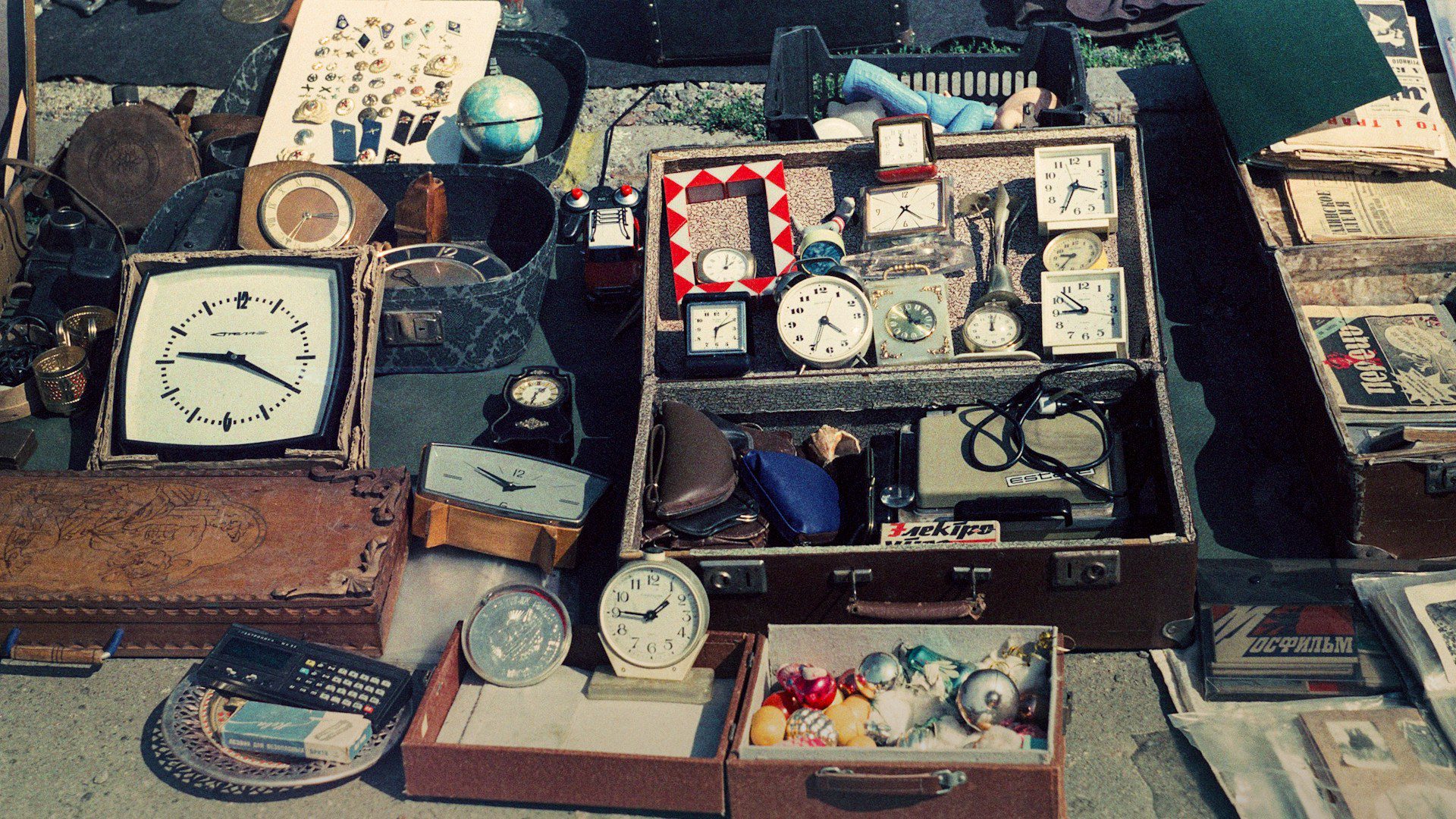
Not so fast. The U.S. Consumer Product Safety Commission says its laws and regulations apply to anyone who sells or distributes consumer products, including yard sale and flea market sellers. Its Resellers Guide to Selling Safer Products (CPSC Publication 254, 2013, revised 2014) opens with a blunt line: “It is illegal to sell any recalled product.”
The guide also lists secondhand items that sellers should check, fix or destroy rather than sell. Here are 10 of them, and your state may have extra rules, so check with your state consumer protection office too.
None of this is meant to scare you off your sale. It is meant to help you spot the few items that need a second look before they land on the table.
Baby Bath Seats Made Before December 6, 2010
The CPSC guide says to destroy baby bath seats made before December 6, 2010. It gives the same instruction for seats with suction cups attached to the tub floor, broken seats, and seats without permanent warning labels.
The rule falls under 16 CFR Part 1215, so that old bath seat is not a safe bet for the folding table.
A quick look at the label and the build date tells you most of what you need.
Bean Bag Chairs With A Zipper Little Hands Can Open
According to the CPSC, you should destroy bean bag chairs with a zipper young children can open. The same goes for chairs with leaking stuffing or pellets, or seams that can come apart.
The guide refers to a voluntary standard, ASTM F1912-98, as the benchmark.
If the zipper is easy to open or the seams are splitting, keep that one off the lawn.
Bunk Beds Missing Required Safety Features
The CPSC says bunk beds should be sold only if all required safety features are present. That includes guardrail spacing, end-structure openings, a warning label and the proper mattress size.
The guide notes that the requirements have been mandatory since June 19, 2000.
Children’s Clothing With Drawstrings In The Wrong Places
The CPSC guide says to remove hood and neck drawstrings from children’s clothing in sizes 2T to 12. It also says to limit waist and bottom drawstrings for sizes 2T to 16.
The agency treats this as a substantial product hazard under 16 CFR Part 1120, so check the hoodies before you tag them.
Remove the hood and neck drawstrings the guide names, and your hand-me-downs are on firmer ground.
Hair Dryers Without A Safety Device Or Test Mark
The CPSC says to destroy hair dryers that lack an integral immersion protection device or a recognized testing-lab mark such as UL. The guide references UL 859 and UL 1727.
Look for the mark on the label and the safety device on the plug before you set one out for sale.
Halogen Torchiere Floor Lamps That Fail The Checks
The guide tells sellers to destroy halogen torchiere floor lamps without a wire or glass guard. It does the same for lamps using bulbs over 300 watts, with unpolarized plugs, with damaged cords, or with corrosion or loose parts.
The voluntary standard it cites is UL 153.
Mattresses Without A Compliance Label
According to the CPSC, you should destroy mattresses and mattress sets made or renovated after July 1, 2007 that do not have a compliance label. The guide references 16 CFR Part 1633 and says cigarette-ignition rules are in 16 CFR Part 1632.
It also says it is good practice not to resell pre-2007 mattresses.
Mesh-Sided Play Yards Missing Required Features
The CPSC guide says to destroy mesh-sided play yards that are missing required features. It lists warning labels, locking top-rail hinges, intact mesh and vinyl, and secure rivets, staples or screws.
A mandatory standard took effect in February 2013 under 16 CFR Part 1221.
Baby Walkers Without Gripping Strips Or A Wide Base
The CPSC says to destroy baby walkers lacking rubber-like gripping strips or a base at least 36 inches wide. A mandatory standard took effect on December 21, 2010.
That old walker from the nursery is a likely candidate to leave out of the sale.
Toy Chests Without A Spring-Loaded Lid Support
The guide says to destroy toy chests without a spring-loaded lid support or without ventilation. It also says to destroy chests with automatic locks or latches.
The reference standard is ASTM F963-07e1.
Before any sale, check the CPSC’s recall listings at SaferProducts.gov, which the guide recommends before taking items into inventory or selling them. Search each product by brand and model.
The CPSC’s resale page adds that used products have caused injuries and deaths and have been the subject of numerous recalls. It tells sellers not to sell broken or wobbly nursery furniture, or durable infant products missing parts, even if they have not been recalled.
It is easier to give an item away than to explain why it hurt someone. A broken item goes in the trash, and a good item with a missing part is not worth a few dollars.
Keep a notebook of what you checked, and when in doubt, leave it out.
More Stories You May Like
- Reseller Couple Hit Local Yard Sales And Picked Up Snowboarding Jeans For $4 They Expect To Sell For About $30 While A $7 Wrangler Shirt Sells For $20 To $25
- Garage Sale Mistakes Like Pricing Everything Too High And Having No Small Bills Are Costing You Money You Could Be Keeping
- Secondhand Baby Gear You Should Never Buy, Sell Or Hand Down Includes Old Cribs With Drop Side Rails And Expired Car Seats, So Check The CPSC Recall List First