We’re all familiar with the adage, “One man’s trash is another man’s treasure.” While this often refers to personal taste, it can also apply to literal trash that could be worth cold, hard cash. From the dusty old items in your attic to the discarded objects on the curb, there are many things that may appear worthless at first glance but can actually be quite valuable.
This list is compiled based on real-world trends, data, and research. Whether you’re a treasure hunter, a thrift enthusiast, or simply looking to make some extra money, let’s dive in and explore 11 things that may look like trash but could be worth a second look.
1. Old video games and consoles

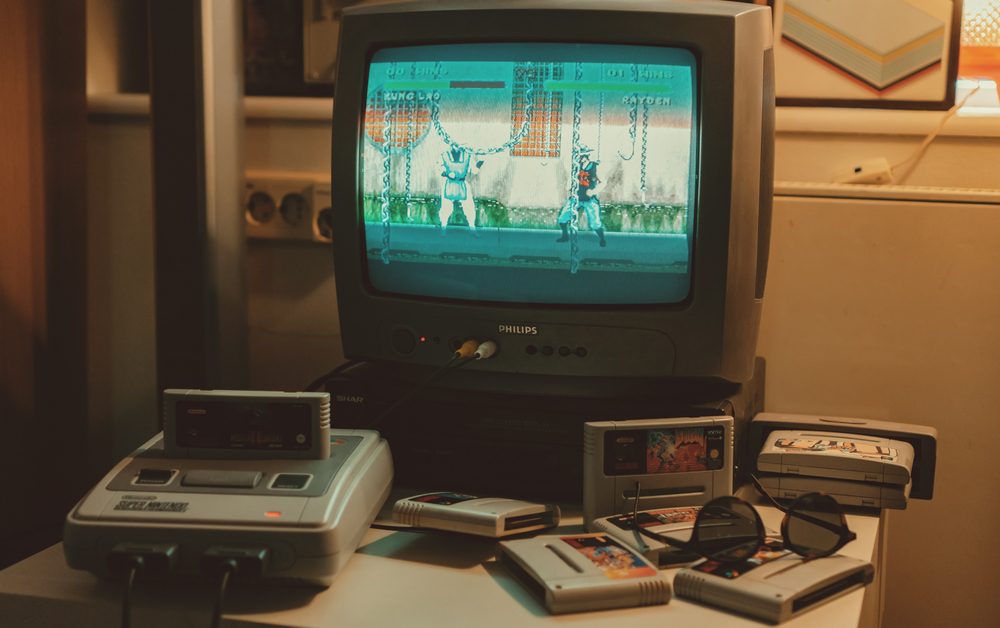
Vintage gaming isn’t just nostalgia—it’s a mature collector market where rarity, condition, and completeness (box, manual, inserts) drive price. Sealed “black box” NES titles, limited regional releases, and short-run sports games can sell for four or five figures. Peripheral demand matters too: original controllers, power supplies, and display cables add value, especially when tested.
Before donating that bin of cartridges, verify titles and variants, note model numbers, and check working status. Compare values with PriceCharting, then confirm demand via sold listings on major marketplaces. Even common consoles like the Nintendo 64 or Sega Genesis can bring strong money when clean, functional, and bundled with in-demand games.
2. Vintage clothes and accessories
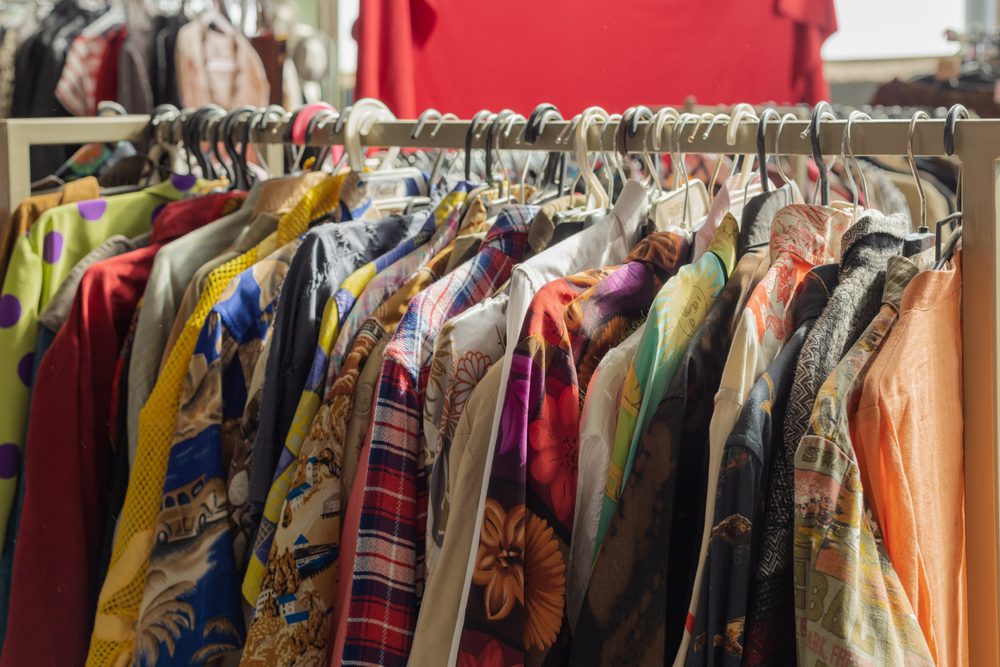
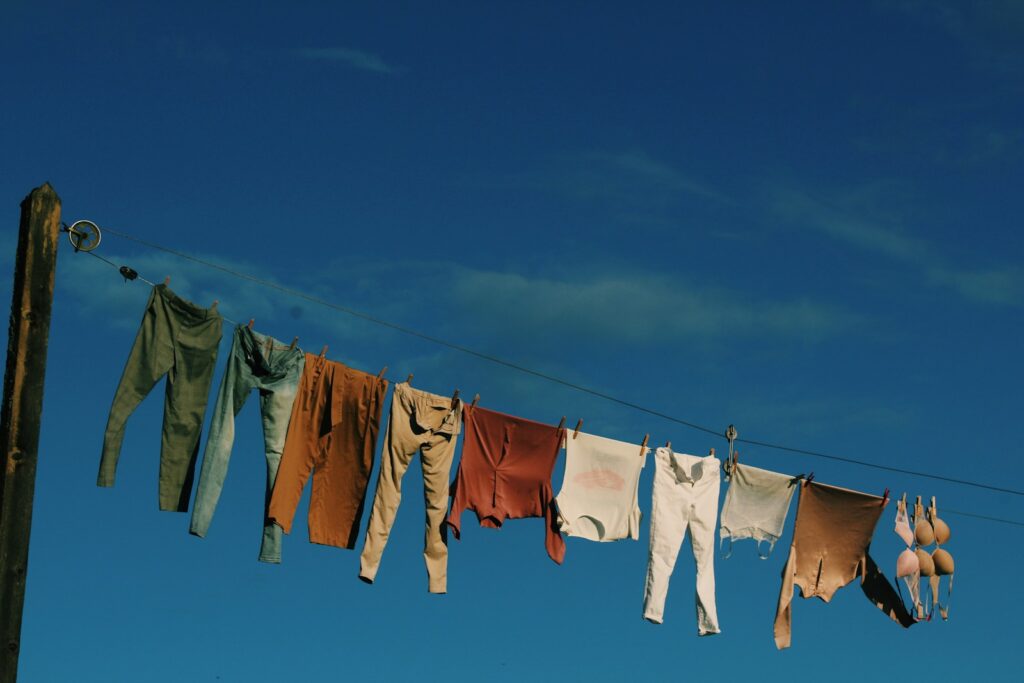
Style is cyclical, which is why older pieces suddenly feel fresh again. Look for natural fibers (silk, wool, linen), quality construction (hand-stitching, metal zippers), and iconic silhouettes tied to a decade. Designer heritage lines—Gucci, Chanel, YSL, Dior—retain value, but niche labels and deadstock can surprise.
Patina can help leather goods, but stains, moth holes, and broken hardware hurt resale. Photograph labels and serials, measure accurately, and compare similar items on The RealReal and Vestiaire Collective. Store in breathable garment bags away from sunlight; gentle fabric refreshes (not harsh dry-cleaning) preserve fibers and value.
3. First edition books

First editions from culturally important authors can outpace later printings by multiples—especially with original dust jackets (often the most valuable component), clean pages, and tight binding. Signed copies and association inscriptions elevate price further. Identify firsts by publisher-specific points (number lines, imprint quirks, jacket prices).
Use AbeBooks’ First Edition Guide and compare against marketplace comps on Biblio. Store upright, jacket in a mylar cover, in a cool, dry room away from UV to minimize foxing and fade—condition changes can dramatically impact resale.
4. Old toys and action figures
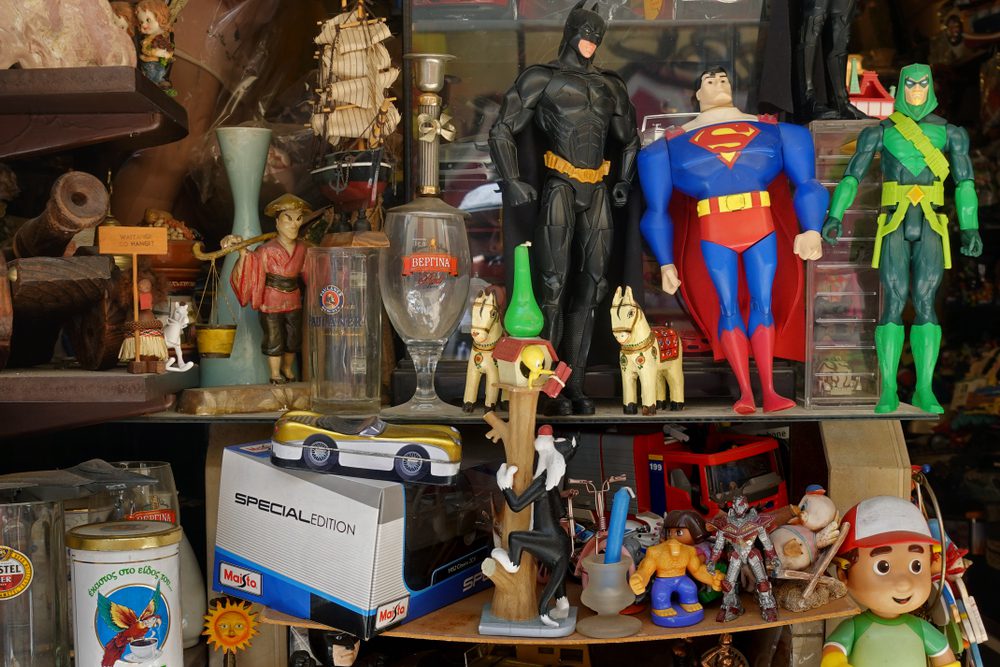
Nostalgia fuels the toy market, but specificity sets the price. Early runs (Kenner Star Wars, G1 Transformers), manufacturing variants, mail-away exclusives, and factory-sealed boxes lead the pack. Loose figures still sell when complete (weapons, capes, stands).
Clean gently with a dry brush—no harsh chemicals—and avoid “touch-ups,” which can hurt value. Research on ToyWorth and verify high-end comps via auction archives such as Heritage (toys). Photograph fronts/backs and accessories clearly; meticulous listings earn better buyers and prices.
5. Comic books
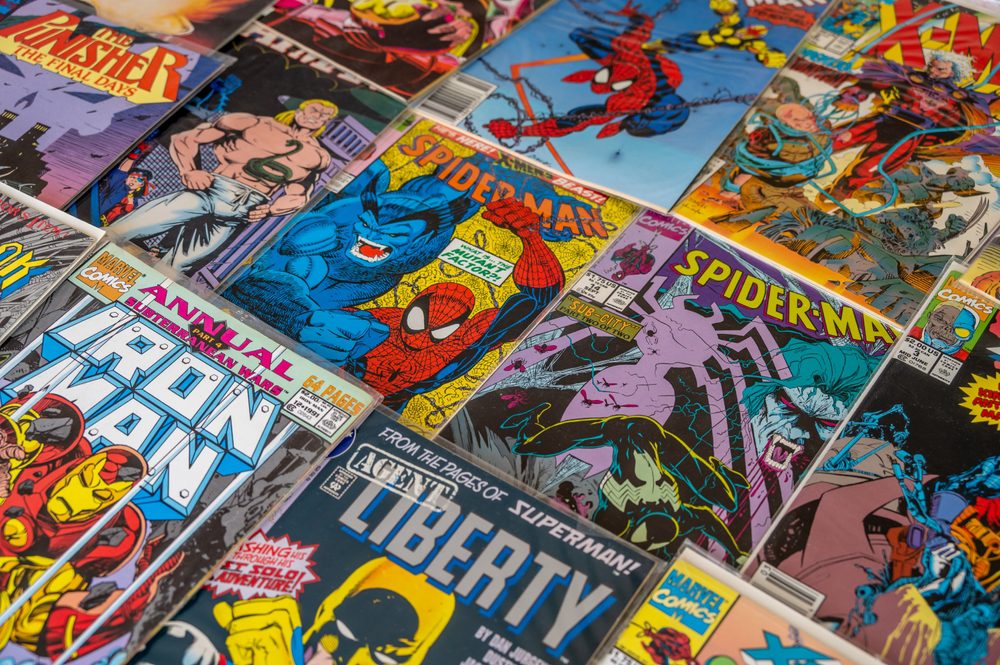
Comics’ value concentrates in key issues (first appearances, origin stories, low-print indies) and high grades. Even minor defects—spine ticks, color breaks, tanning—can slash price, so handle with gloves and keep in acid-free sleeves with backing boards.
Golden and Silver Age keys command premiums, but moderns spike when tied to movie/TV adaptations. Start with Comic Book Realm for pricing, then consider certification by CGC to maximize sale potential. Store upright in short boxes, cool and dry, away from sunlight; humidity warps pages and rusts staples.
6. Vinyl records
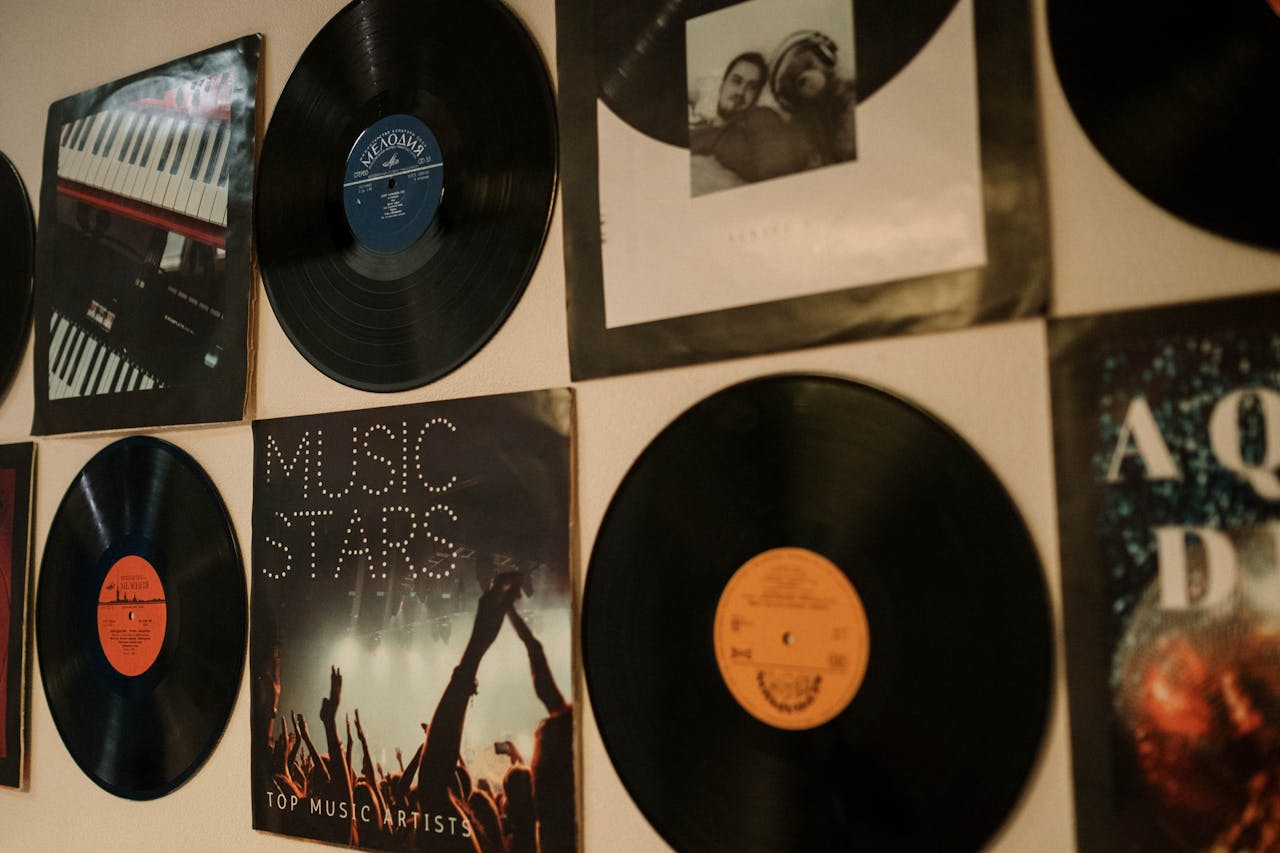
Vinyl’s resurgence means scarce pressings and audiophile favorites can soar. Seek early pressings (country of origin), limited runs, colored vinyl, misprints, and complete packaging (lyric inserts, posters, hype stickers). Surface noise and warps hurt value; clean with a record brush and keep in anti-static sleeves.
Verify pressing info (matrix/runout) and check recent sales on Discogs and Popsike. Store vertically, climate-controlled, and never stack—pressure can permanently dish records and degrade sleeves.
7. Vintage tech
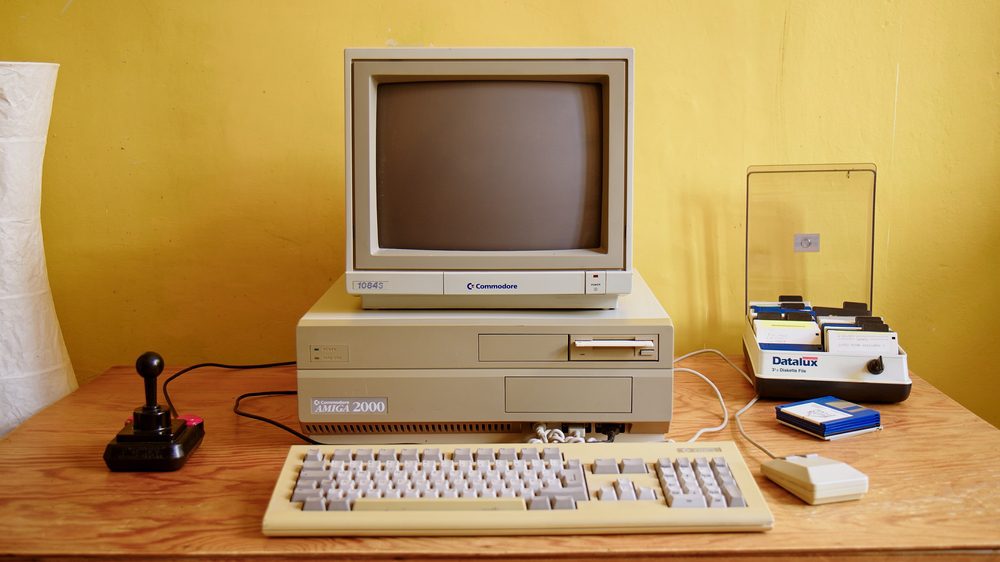
Early personal computers, retro consoles, Walkmans, and hi-fi gear blend design history with scarcity. Working condition matters—but even non-functional units can be valuable for parts. Save all cords, manuals, and original packaging. Identify exact model/board revisions, test basic functionality, and document cosmetic condition.
Check demand via completed sales on eBay and consult enthusiasts at Vintage Computing. Avoid aggressive cleaning—use microfiber and isopropyl sparingly to protect labels and coatings that serious collectors value.
8. Postcards

Postcards act as pocket-sized history: real photo postcards (RPPCs), early lithographs, and cards tied to landmark events or vanished places do best. Desirable features include crisp photos, legible postmarks, period stamps, and publisher/series info on the back.
Themed collections—local landmarks, railways, world fairs—often sell as lots. Research subjects and comps on Delcampe and OldPostcards.com. Store flat in archival sleeves; avoid tape, rubber bands, and humid environments that curl corners and fade inks.
9. Sports memorabilia
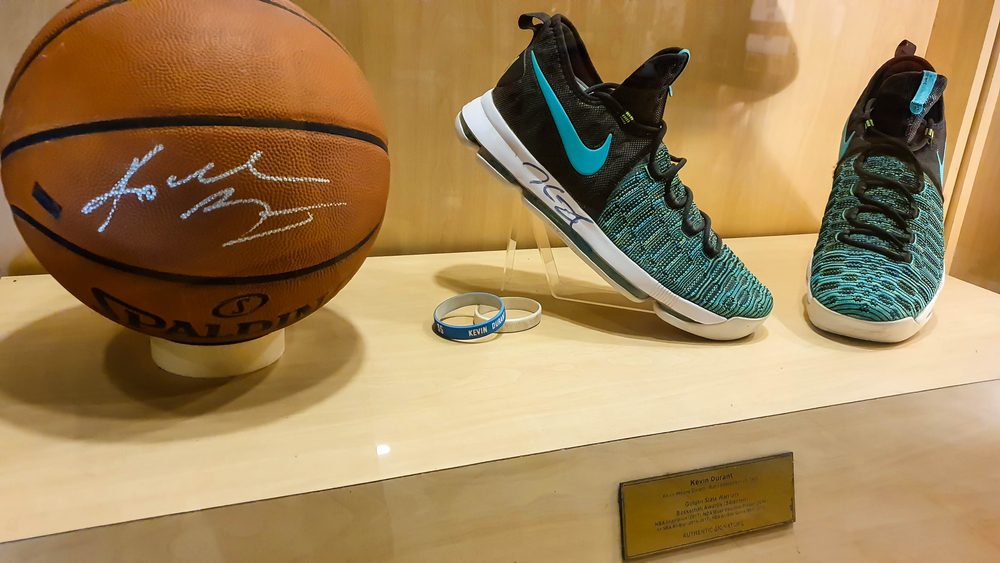
Historical significance plus superstar provenance equals value. Game-used pieces, on-card signatures, ticket stubs to milestone moments, and championship rings headline the market.
Authenticity is everything—paper trails, photo-matching, and third-party certification can transform price. Start with comparable results at Heritage Auctions and consult PSA’s price guide. Display in UV-protective cases and avoid permanent mounting or marker “enhancements,” which can damage surfaces and reduce collector appeal.
10. Old coins and currency

Numismatic value comes from rarity, condition, and history—key dates, low mintages, striking errors, and precious metal content.
Raw coins can benefit from professional grading if they’re genuinely high-grade or rare varieties, but not all coins warrant the fee. Research values with PCGS and NGC’s Coin Price Guide, and store in inert, acid-free holders. Never polish—abrasives remove original luster and can slash value instantly.
11. Stamps

Philately rewards rarity and condition: scarce issues, printing errors, and high-demand historical themes attract serious bidders. Centering, gum condition, perforations, and expertization certificates all influence price. Avoid hinging valuable stamps; use mounts in acid-free albums and handle with tongs to prevent oils or creases.
For identification and pricing, consult Stanley Gibbons and retailers like Arpin Philately. Proper storage—cool, dry, away from sunlight—preserves colors and paper quality for the long term.